Whatsapp
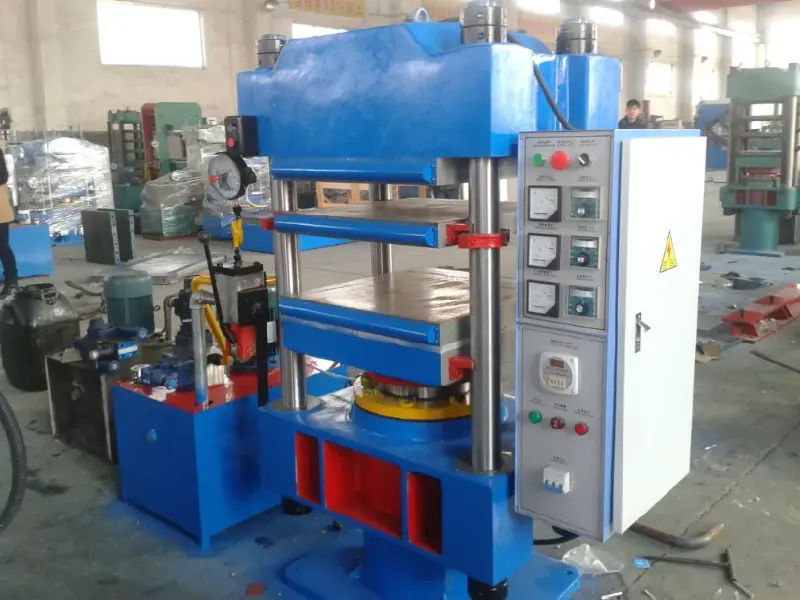
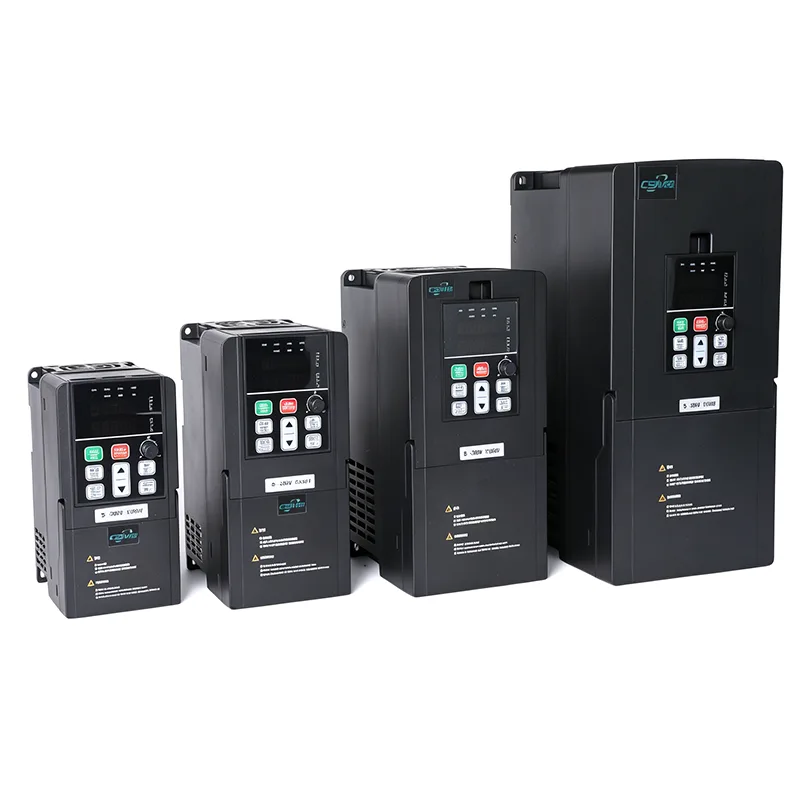
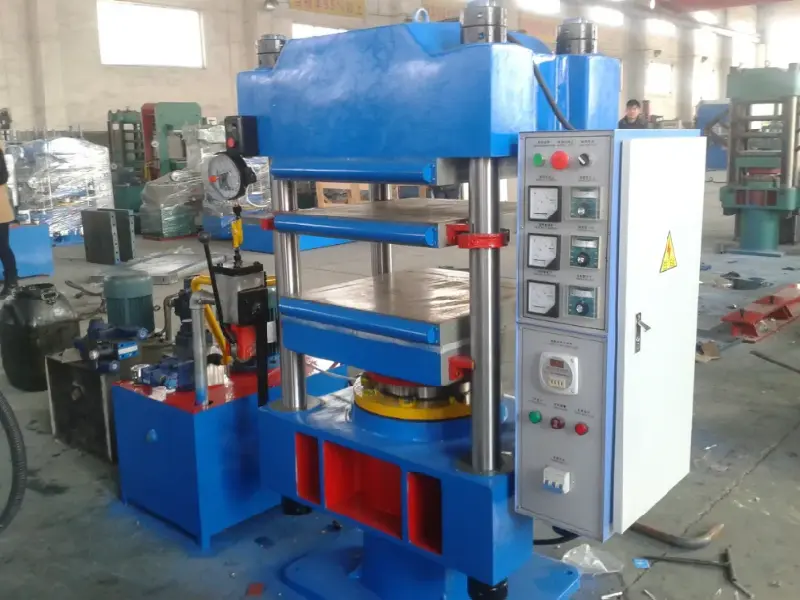
In the rubber manufacturing ecosystem, the vulcanizing press represents far more than the final forming stage—it is where molecular cross-linking determines the ultimate performance and commercial value of every finished part. Temperature, pressure, and time—the three pillars of the vulcanization process—must be orchestrated with surgical precision to achieve consistent material properties. Yet as production environments grow more demanding in terms of quality, agility, and sustainability, the conventional hydraulic and thermal control architectures of traditional presses are revealing critical shortcomings. The integration of Variable Frequency Drives (VFDs) is fundamentally transforming this landscape, converting what was once a brute-force machine into a sensor-aware, dynamically responsive system that delivers not only energy efficiency but also unprecedented process intelligence. At the heart of this transformation lies the concept of intelligent curing—a paradigm where the press actively adapts to real-time conditions rather than blindly following a preset routine.
To fully appreciate the impact of VFD technology, it is essential to examine the inherent limitations of conventional press control strategies. Whether applied in tire curing (using bladders or mechanical molds) or in flat-platen presses for rubber sheets, seals, and soles, the basic operational cycle—closing, pressurizing, heating, and opening—presents three persistent engineering challenges that legacy systems struggle to overcome:
● Hydraulic Synchronization Under Load: Multi-cylinder presses, particularly those with large platen areas or multiple openings, require perfectly coordinated movement to prevent uneven pressure distribution. Traditional valve-controlled hydraulic systems, which rely on throttling to regulate flow, suffer from inherent nonlinearities caused by oil temperature drift, internal leakage, and valve hysteresis. The result is often misaligned platens, excessive flash, and residual stress within the cured product.
● Rigid, Time-Based Process Scheduling: The optimal vulcanization profile is rarely a simple constant-pressure hold. Many applications demand a staged pressure sequence—higher initial pressure for material flow, followed by a reduced holding pressure to minimize stress relaxation. Conventional timer-based or relay-logic systems cannot adapt to batch-to-batch variations in compound viscosity, ambient temperature fluctuations, or mold thermal condition, leaving the process fixed rather than responsive. This rigidity stands in direct opposition to the principles of intelligent curing, which demands flexibility and real-time adaptability.
● Substantial Energy Waste Across the Cycle: Perhaps the most visible drawback is energy inefficiency. Fixed-displacement hydraulic pumps run continuously at full motor speed regardless of actual demand, converting excessive electricity into heat during low-pressure phases such as mold closing and pressure-holding. Simultaneously, on/off temperature control for electrically heated platens introduces thermal overshoot and undershoot, increasing both energy consumption and cure non-uniformity.
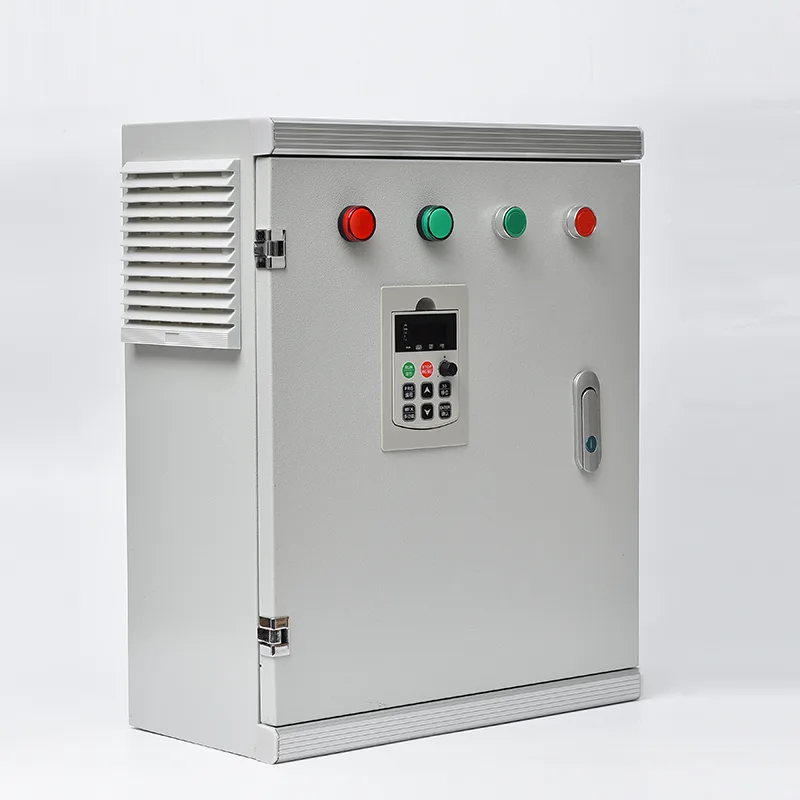
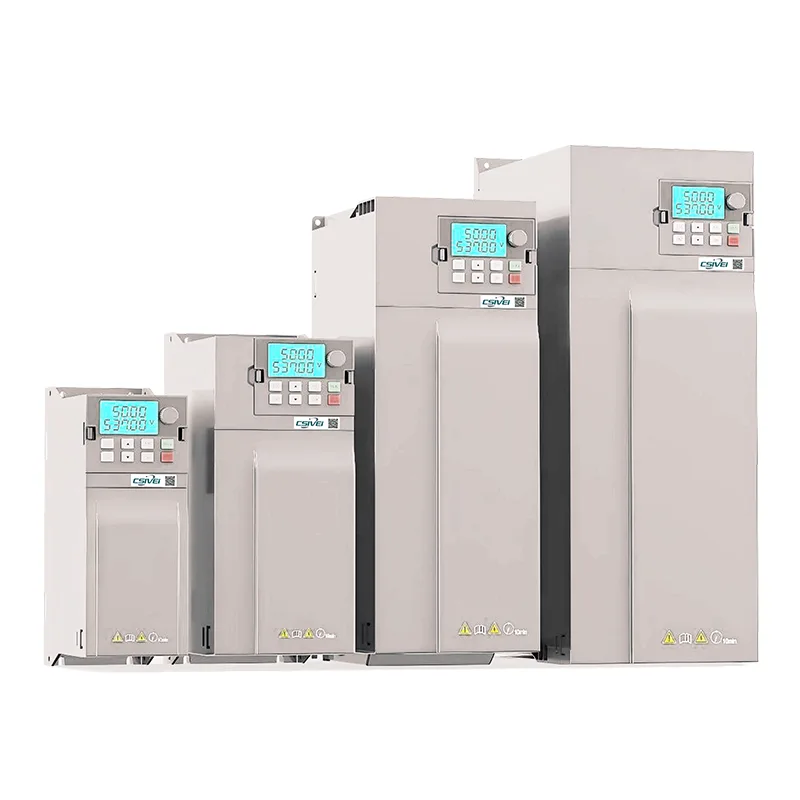
The deployment of VFDs in vulcanizing presses is not merely a motor-speed adjustment—it is a systemic re-engineering of the hydraulic power unit and thermal management infrastructure. Together, these advancements lay the technical foundation for true intelligent curing, where the press operates as a closed-loop, self-adjusting system. The benefits unfold across three interconnected dimensions:
By replacing the conventional "fixed motor + proportional valve" arrangement with a VFD-controlled variable-displacement pump or servo-pump system, the hydraulic power unit becomes an extension of the process control loop:
● Demand-Matched Flow and Pressure: The VFD adjusts motor speed in real time to deliver precisely the flow and pressure required at each stage of the cycle, eliminating throttling losses entirely. When paired with high-resolution pressure transducers and position encoders, the closed-loop system maintains set pressure within ±1 bar—a level of stability that directly translates to tighter dimensional tolerances.
● Synchronous Multi-Actuator Coordination: In presses equipped with dedicated pumps for individual cylinder groups, multiple VFDs can operate in a master-slave configuration or electronic camshaft mode via high-speed industrial networks (e.g., CANopen or EtherCAT). This ensures that large platens close with parallel accuracy within microns, a critical requirement for products like wide conveyor belts or large-diameter tires.
The economic case for VFD adoption is compelling and dual-faceted:
● Hydraulic Power Reduction: Since the motor runs only at the speed necessary to meet instantaneous flow/pressure demands, energy consumption scales with actual workload. During the holding phase, when only leakage compensation is needed, the motor can decelerate to near-zero speed. Field data from retrofit projects consistently show hydraulic energy savings ranging from 40% to 70% compared to conventional fixed-displacement pump systems with throttling control.
● Optimized Thermal Management: For electrically heated platens, VFDs are employed to regulate circulation fan speed rather than cycling fans on and off. Modulating airflow based on continuous temperature feedback dampens thermal inertia, reducing platen surface temperature gradients from ±5°C to as low as ±1.5°C. This not only improves cure uniformity across the entire mold surface but also lowers peak power demand, easing strain on facility electrical infrastructure.
Perhaps the most transformative contribution of VFD technology lies in its ability to execute sophisticated process algorithms that bring intelligent curing from concept to reality:
● Dynamic Pressure Profiling: Complex multi-stage pressure-time sequences can be programmed directly into the VFD or coordinated via PLC, enabling smooth transitions between setpoints that optimize material flow during filling and minimize internal voids during the final cure stage.
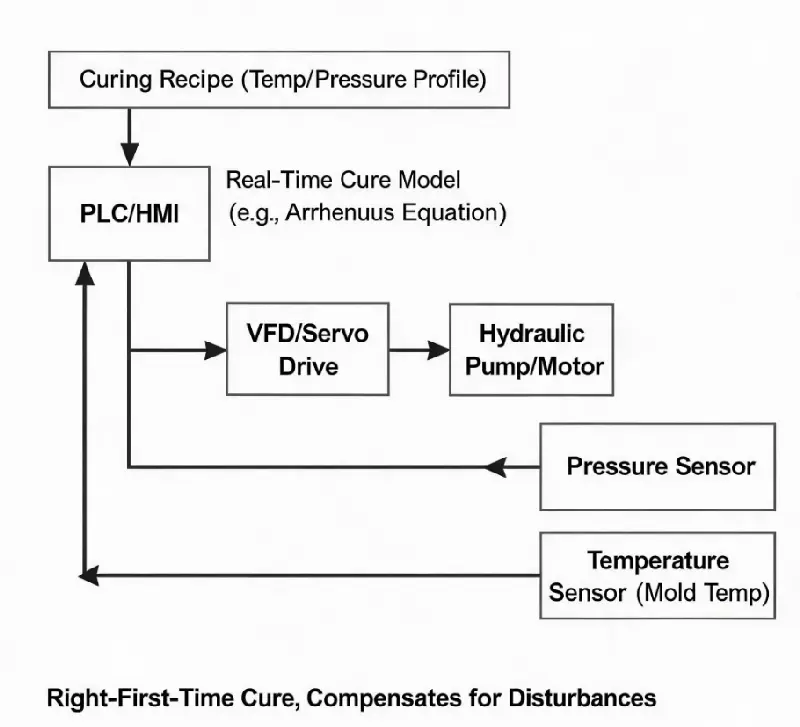
● Integration with Real-Time Cure Models: When connected to a higher-level control system that computes optimal vulcanization time using kinetic models (such as the Arrhenius equation based on actual mold temperature), the VFD can dynamically adjust phase durations to compensate for process disturbances—ensuring a "right-first-time" cure regardless of variations in mold temperature or compound behavior. This level of responsiveness is the hallmark of intelligent curing, transforming the press from a passive executor into an active decision-maker.
A major tire manufacturer undertook a comprehensive upgrade of its hydraulic curing press fleet, replacing fixed-speed pump units with VFD-driven servo systems. The outcomes were measured across multiple KPIs:
● Energy: Hydraulic power consumption dropped by over 65% per press, delivering annual savings that significantly contributed to the plant's corporate sustainability targets.
● Quality: Pressure regulation accuracy improved from ±5 bar to ±0.8 bar, while platen parallelism was enhanced through active synchronization. These gains reduced tire uniformity variation (radial force variation and lateral force variation) and improved the yield of top-grade products.
● Productivity: Faster mold closing and opening, enabled by the high dynamic response of the servo system, shortened the non-productive portion of each cycle, boosting overall equipment effectiveness (OEE) by approximately 8%.