News

How VFDs Save Energy in Airports: A Technical and Economic Deep Dive

2026-07-23 0 Leave me a message

---How VFDs Save Energy in Airports—and Why That Matters More Than Ever

A 15-minute conveyor breakdown at a major international airport can misroute over 2,000 bags and cost airlines upwards of $100,000 in rebooking fees, compensation, and fuel surcharges for delayed flights. For Dubai International (DXB)—which processes over 18,000 bags per hour at peak across 90 kilometers of belts—that risk is magnified every single day.

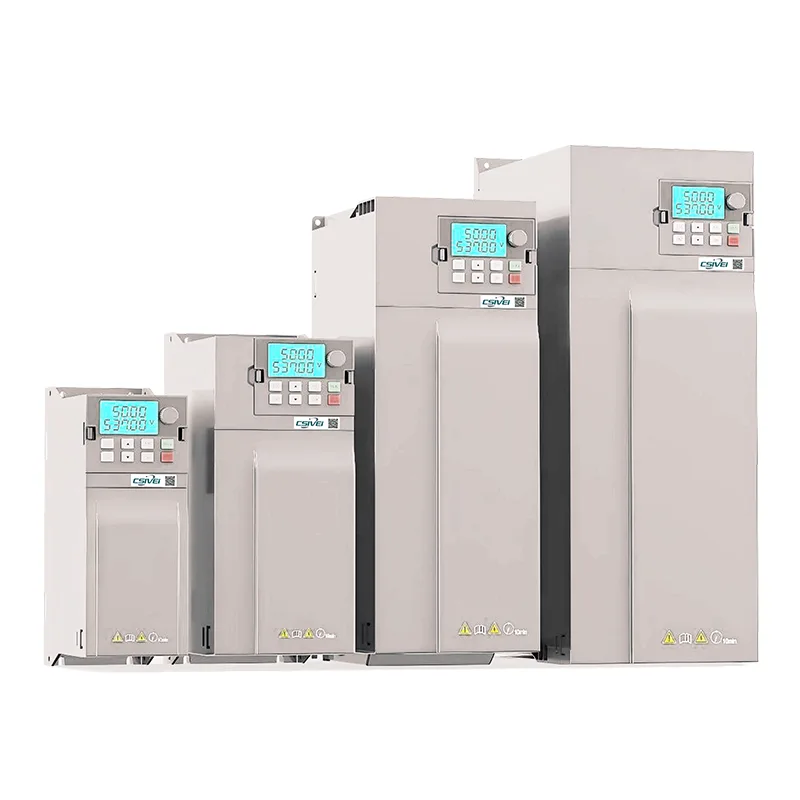
The solution wasn't new motors or wider belts. It was a retrofit of smarter electronics—Variable Frequency Drives (VFDs)—that gave DXB the ability to slow down, speed up, and soft-start its massive conveyor network on demand, cutting energy bills by nearly 50% and reducing mechanical breakdowns by over 40%. At its core, how VFDs save energy in airports is not just about reducing kilowatt-hours; it is about aligning motor output with real-time operational demand, transforming a fixed-energy system into an adaptive, intelligent one.

Here is a deep dive into how VFDs power the future of airport logistics, backed by real-world data and engineering insights.

The Core Challenge of Airport Baggage Systems

Airport baggage handling is inherently unpredictable. A system must seamlessly transition from the chaotic rush hour of morning departures to the dead calm of a midnight lull.

Historically, conveyor belts used standard AC induction motors running at a fixed speed. These legacy systems suffered from significant operational drawbacks:

● High Energy Waste: Motors ran at 100% capacity even when transporting a single backpack.

● Severe Mechanical Wear: Constant abrupt starts and stops caused high mechanical stress on belts, gears, and pulleys.

● High Inrush Current: Starting a fixed-speed motor requires up to 600% of its full-load current, leading to massive spikes in energy bills.

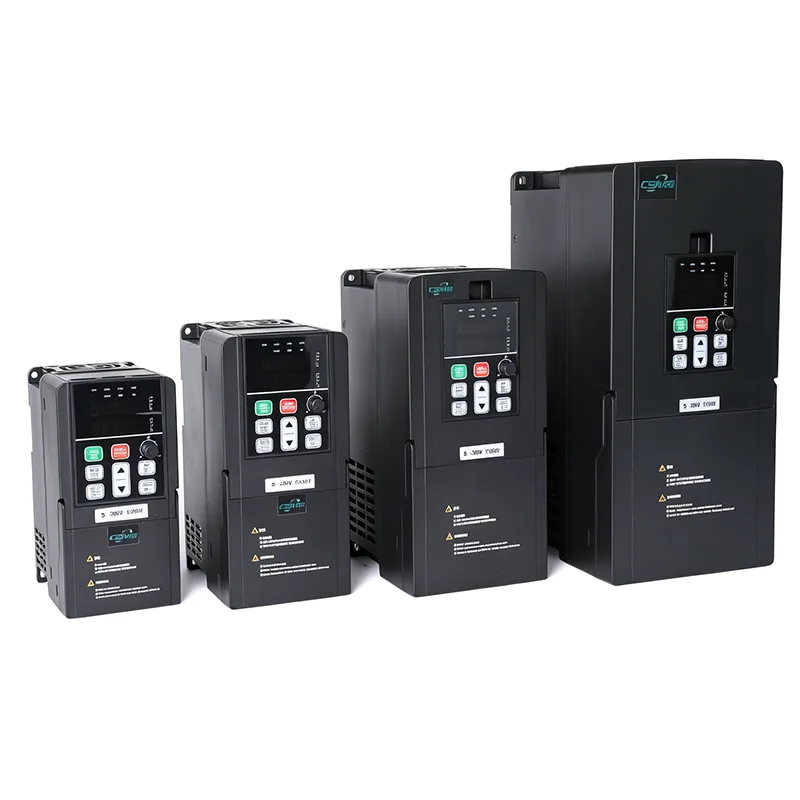
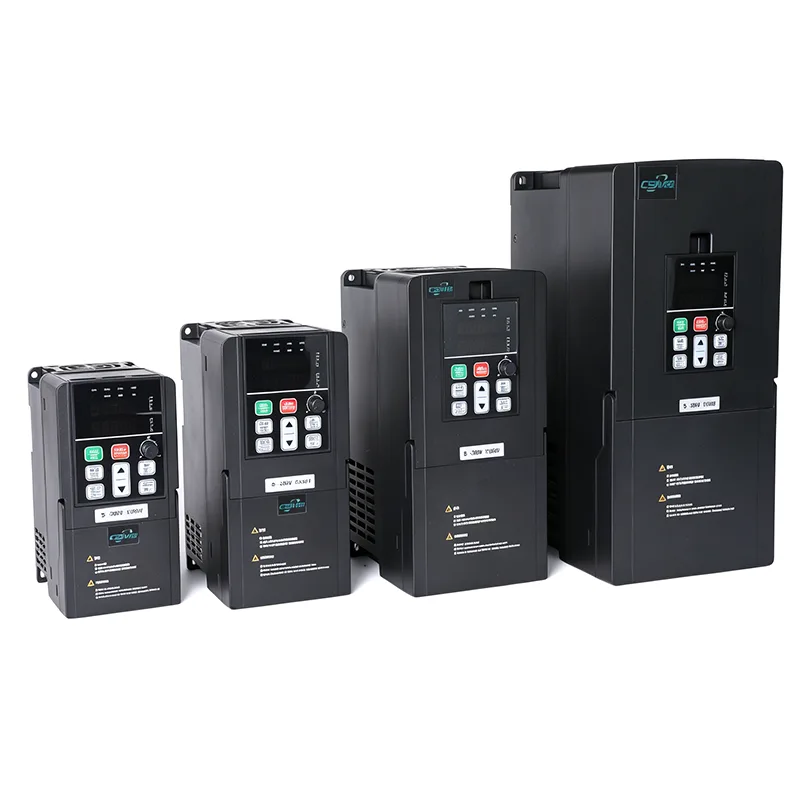
This is where VFDs step in, acting as the "brain" of the motor by dynamically adjusting its speed and torque based on real-time demand. Understanding how VFDs save energy in airports starts with this fundamental principle: match the energy input to the workload, not the other way around.


Key Benefits of VFDs in Airport Conveyors

1. Dynamic Speed Control & Smart Sorting

Modern airports use automated barcode scanners and RFID tags to track luggage. When a bag approaches a high-speed sorting diverter, the VFD positions it precisely into the designated slot, ensuring it connects to the correct flight.

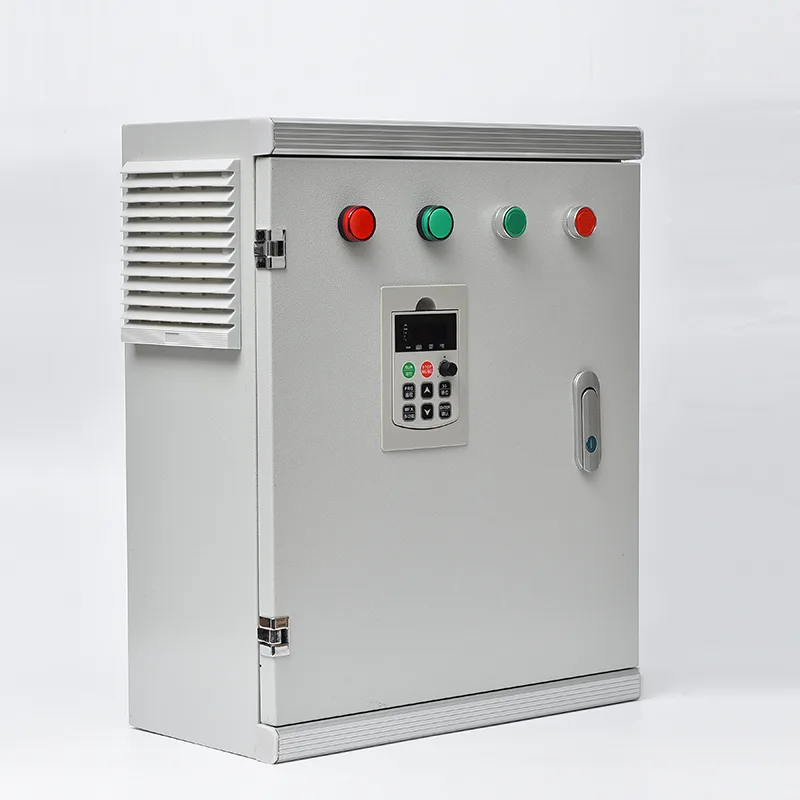
One design decision we spent weeks arguing over was whether to go with a centralized architecture (one large drive cabinet feeding dozens of motors) or a distributed approach (individual drives mounted next to each motor). The centralized option was about 20% cheaper upfront, but a single module failure in that cabinet could take down an entire sorting line. Distributed drives cost more per unit but offered fault isolation. DXB ultimately chose distributed—not because it was technologically sexier, but because the operations team ran a simple calculation: the potential loss of a 15-minute outage during peak hours (~$100,000) far exceeded the incremental cost of distributed hardware. That decision later found its way into the airport's internal engineering procurement standards.

2. Drastic Energy Savings via ECO Modes

Conveyor belts don't need to run at full speed if there are no bags on them. VFDs allow systems to enter a "sleep" or low-speed mode during off-peak hours. This is precisely how VFDs save energy in airports in practice: by automatically reducing motor speed to 20% idle when sensors detect zero luggage for more than 90 seconds.While the energy-saving effect is most pronounced in centrifugal loads like fans and pumps, even for constant-torque conveyor applications, speed reduction delivers measurable gains.

3. Gentle "Soft Starts" and "Soft Stops"

Instead of jerking into motion, VFDs ramp up the motor speed gradually over a few seconds. This controlled acceleration eliminates the mechanical shock that snaps belts and damages gearboxes, drastically extending the lifespan of the airport's physical infrastructure.

Potential Challenges When Deploying VFDs—and How to Address Them

No technology is without trade-offs. VFDs can introduce harmonic distortion to the power grid, stress motor insulation via reflected voltage waves, and face thermal derating in hot, confined conveyor tunnels. None of these are deal-breakers—but they do require upfront planning.

Engineering teams mitigate these risks by installing line reactors or active filters (for harmonics), specifying inverter-duty motors or dV/dt filters (for insulation protection), and selecting drives with wide-temperature ratings and intelligent fan control (for thermal management). Addressing these three factors early ensures that promised energy savings and reliability gains are delivered without unwelcome post-installation surprises.

To be candid, we underestimated the harmonic issue in the first phase. About two weeks after the initial drives went live, the air traffic control team reported intermittent glitches on the radar displays at nearby gates. It took us another two weeks to trace the root cause: high-order harmonics from the VFDs were radiating through unshielded motor cables and interfering with the radar's L-band receivers. The fix required adding sinusoidal output filters and ferrite cores on every drive—a retrofit that cost us both money and schedule. If I could do it over, I'd bring in an EMC specialist at the schematic design stage, not during commissioning.

Real-World Case Study: Dubai International Airport (DXB)

To understand the impact of this technology, look no further than Dubai International Airport (DXB), one of the busiest airports for international passenger traffic in the world.

What DXB Was Up Against

DXB’s Baggage Handling System handles up to 18,000 bags per hour across a network spanning over 90 kilometers of conveyors. With extreme desert temperatures outside and handling peak flows of 10,000 passengers per hour, the airport faced soaring electricity costs and frequent maintenance downtime due to mechanical wear on conveyor joints.

The Retrofit That Changed Everything

The engineering team retrofitted legacy fixed-speed motors with decentralized VFDs featuring built-in industrial fieldbus communications (Profinet). The drives were linked directly to centralized PLC systems equipped with photo-eye sensors.

The Numbers That Mattered

When sensors detected zero luggage on a specific line for more than 90 seconds, the VFD automatically ramped the motor down to 20% idle speed. Furthermore, the soft-start capabilities reduced mechanical breakdowns by over 40%. While the project team has not disclosed exact financial figures, a conservative cross-check is possible using public data. The conveyor segment in question draws approximately 2.8 MW of installed motor capacity, runs at about 60% average load factor, and operates roughly 7,000 hours annually—yielding an estimated annual consumption of 4.2 GWh. At Dubai's industrial electricity rate of roughly $0.08/kWh, that translates to about $336,000 per year in energy cost. A 50% reduction saves roughly $168,000 annually. Add in reduced maintenance labor, fewer spare parts, and less downtime-related penalty, and the total annual benefit likely falls in the $250,000–$300,000 range. Against a total retrofit investment of approximately $4 million (drives, installation, filters, and engineering), the 18–24 month payback period is mathematically consistent and aligns with what the engineering team has shared informally in industry presentations.

Technical Comparison: Fixed Speed vs. VFD Integration

To illustrate the stark contrast in performance, the table below outlines the core metrics between traditional fixed-speed conveyor systems and those optimized with modern frequency inverters.

Performance Metric

Traditional Fixed-Speed Conveyor

VFD-Optimized Conveyor System

Energy Consumption

High (Runs at 100% capacity continuously)

Optimized (Reduces by 30%–50% via speed scaling)

Motor Starting Current

600% of nominal current (Causes grid spikes)

Controlled (100%–150% via soft-start ramp)

Mechanical Component Wear

High (Frequent belt snapping and gear damage)

Very Low (Smooth linear acceleration curves)

Luggage Positioning Accuracy

Poor (Relies on mechanical brakes)

Excellent (Millimeter precision via encoder feedback)

System Noise Levels

High (>85dB due to constant friction)

Low (Quieter operations, especially at low speeds)

The Rise of Decentralized VFDs in Aviation

A significant trend in modern airport architecture is the shift from centralized control cabinets to decentralized VFDs.

In a traditional setup, hundreds of miles of heavy, shielded motor cables have to be routed from a central control room to the individual conveyor motors scattered across the terminal. This requires massive cable trays and introduces the risk of electromagnetic interference (EMI).

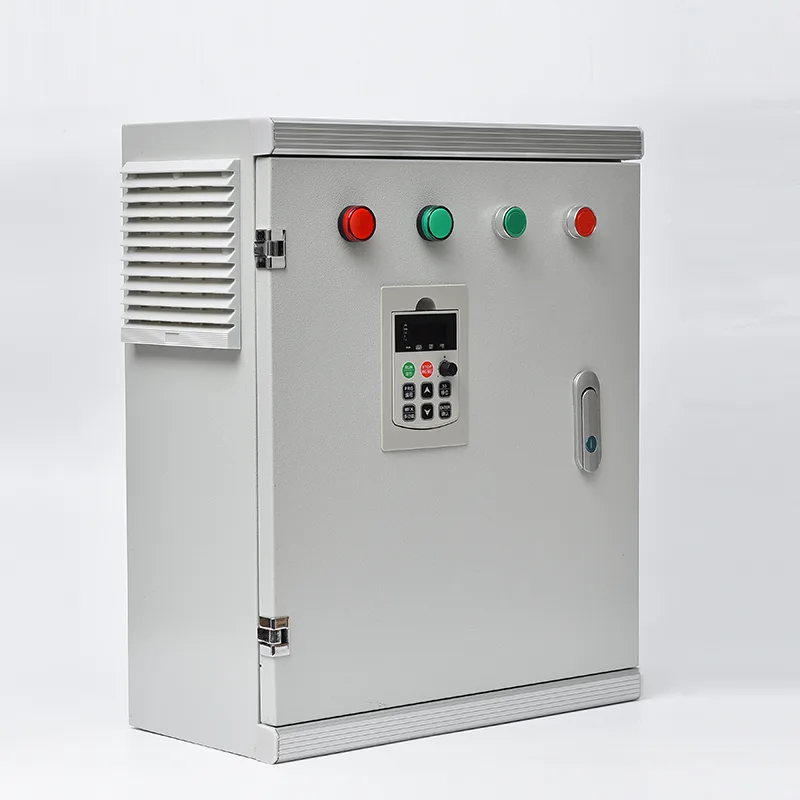
Decentralized VFDs are engineered with high IP ratings (usually IP65 or IP66), allowing them to be mounted directly onto or right next to the conveyor motor.

Why Engineers Prefer Decentralized VFDs:

Reduced Cabling Costs: Cuts down on expensive shielded copper cables by up to 70%.

Faster Troubleshooting: If a drive fails, maintenance crews can replace the localized modular unit within minutes without disrupting the entire control cabinet.

Thermal Management: Eliminates the need for massive, air-conditioned control rooms, saving space and cooling energy.

The Backbone of Sustainable Aviation Logistics

The DXB retrofit tells a clear story: VFDs are not experimental technology. They are proven, bankable infrastructure upgrades that pay for themselves in under two years while cutting mechanical failures by over 40%.

For airport operators facing rising energy costs and tightening emissions regulations, the question is no longer whether to adopt VFD-driven conveyor systems, but how quickly they can be deployed. The engineering playbook is already written—from specifying line reactors to mitigate harmonics, to selecting inverter-duty motors that withstand reflected waves, to deploying decentralized drives that simplify maintenance.

What worked at Dubai International can work elsewhere. The technology is mature. The economics are compelling. And beneath the terminals, where miles of belts move millions of bags, the shift from fixed-speed to smart, adaptive motion is already well underway—though where to start the retrofit, and on which lines, remains an open question for every operator.

Related News
Leave me a message
X
We use cookies to offer you a better browsing experience, analyze site traffic and personalize content. By using this site, you agree to our use of cookies.Privacy Policy
RejectAccept