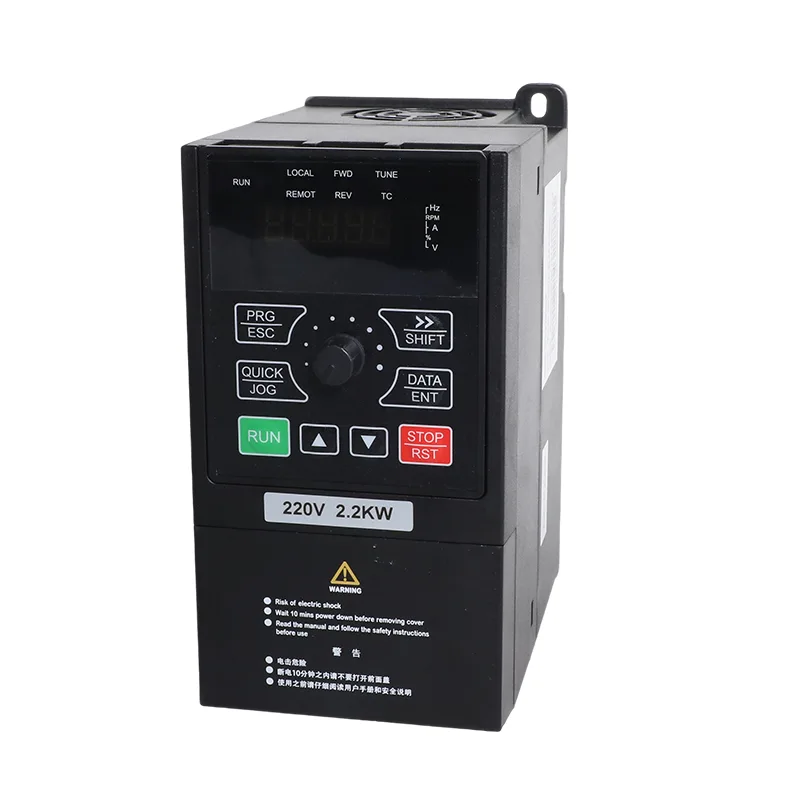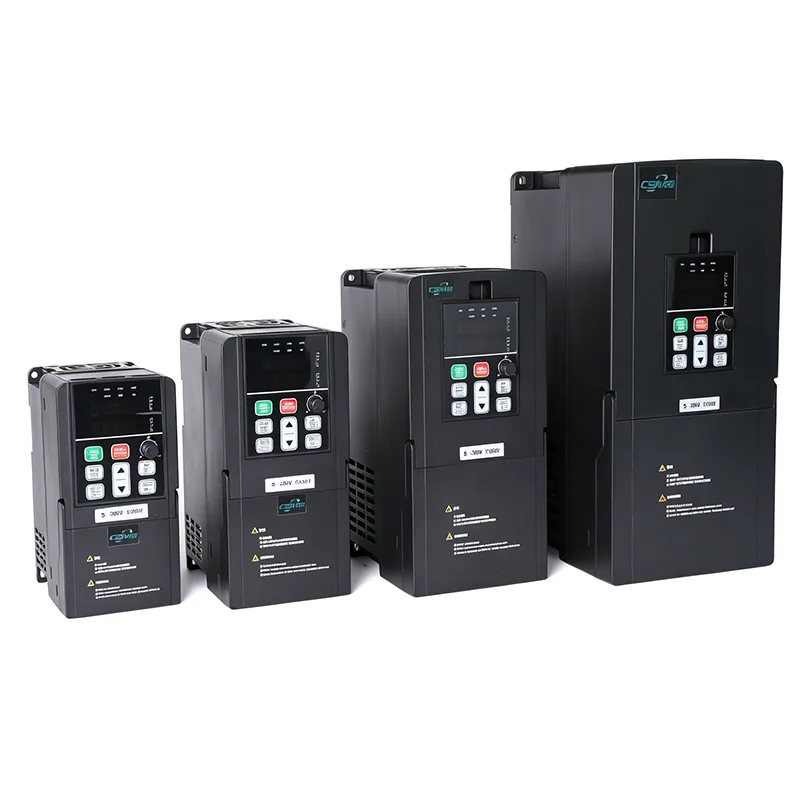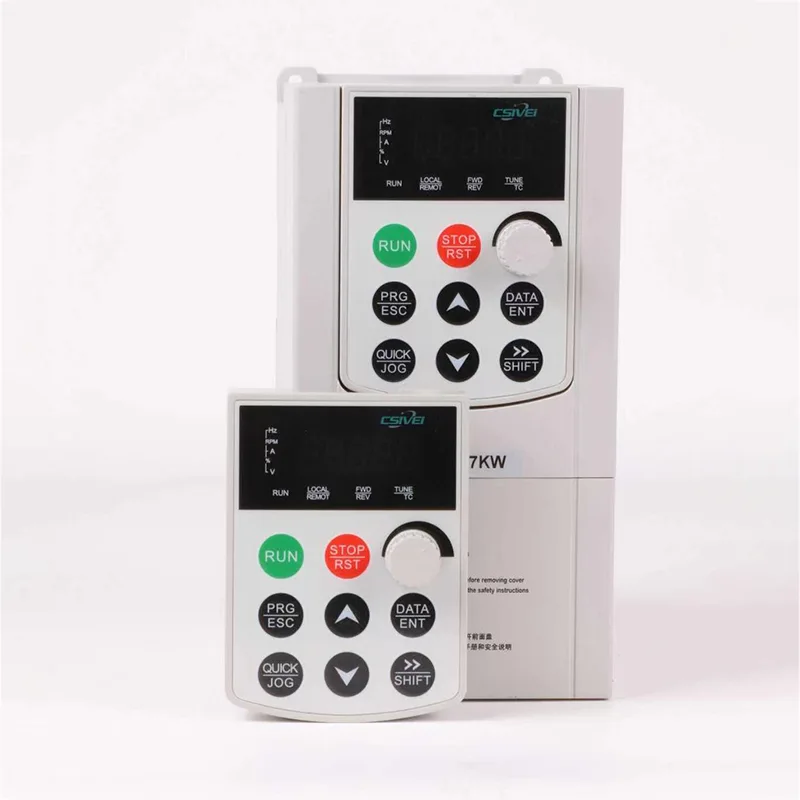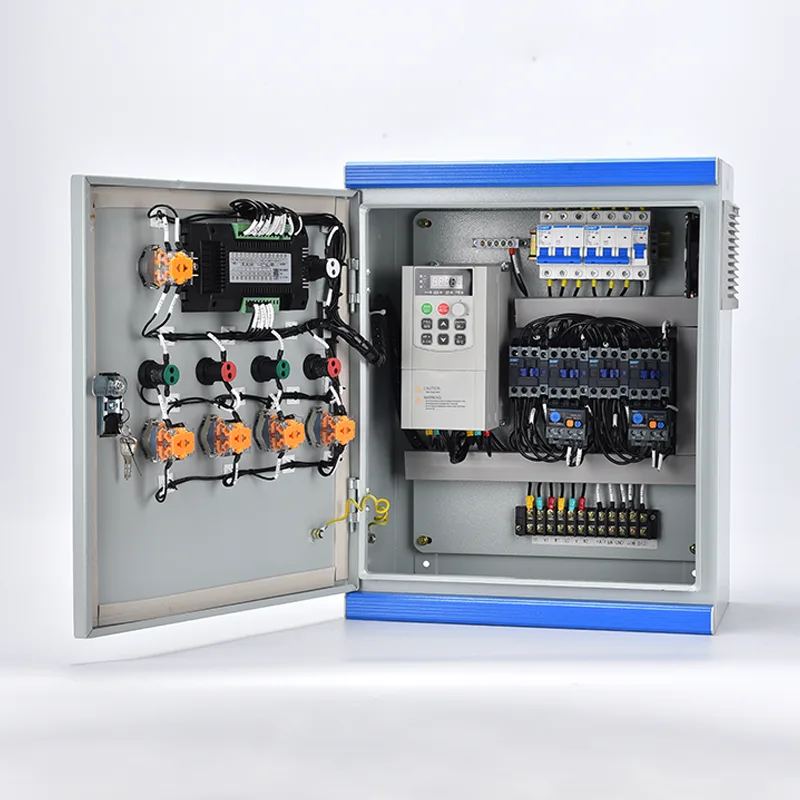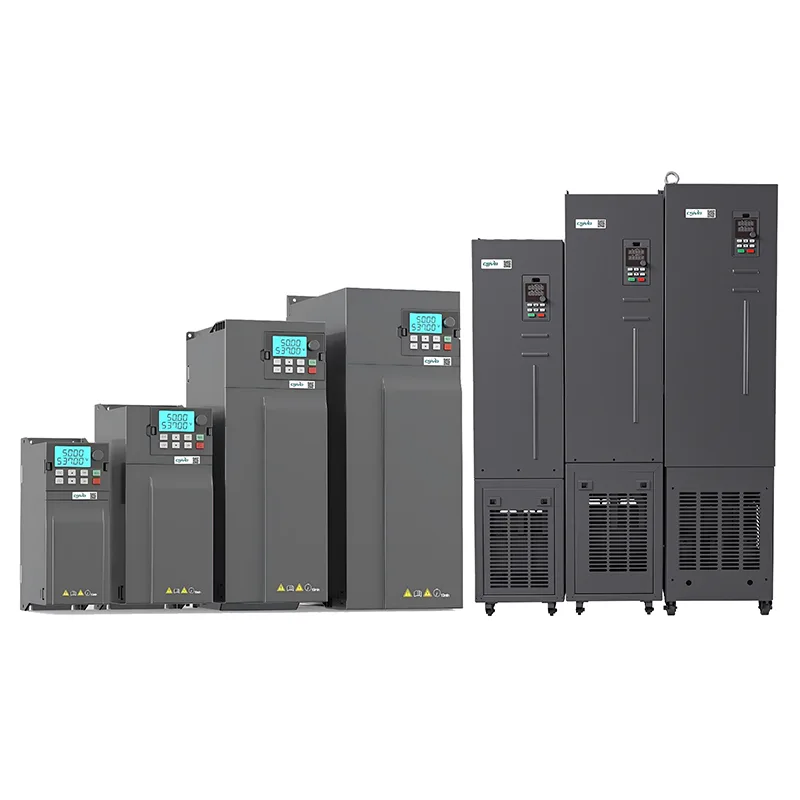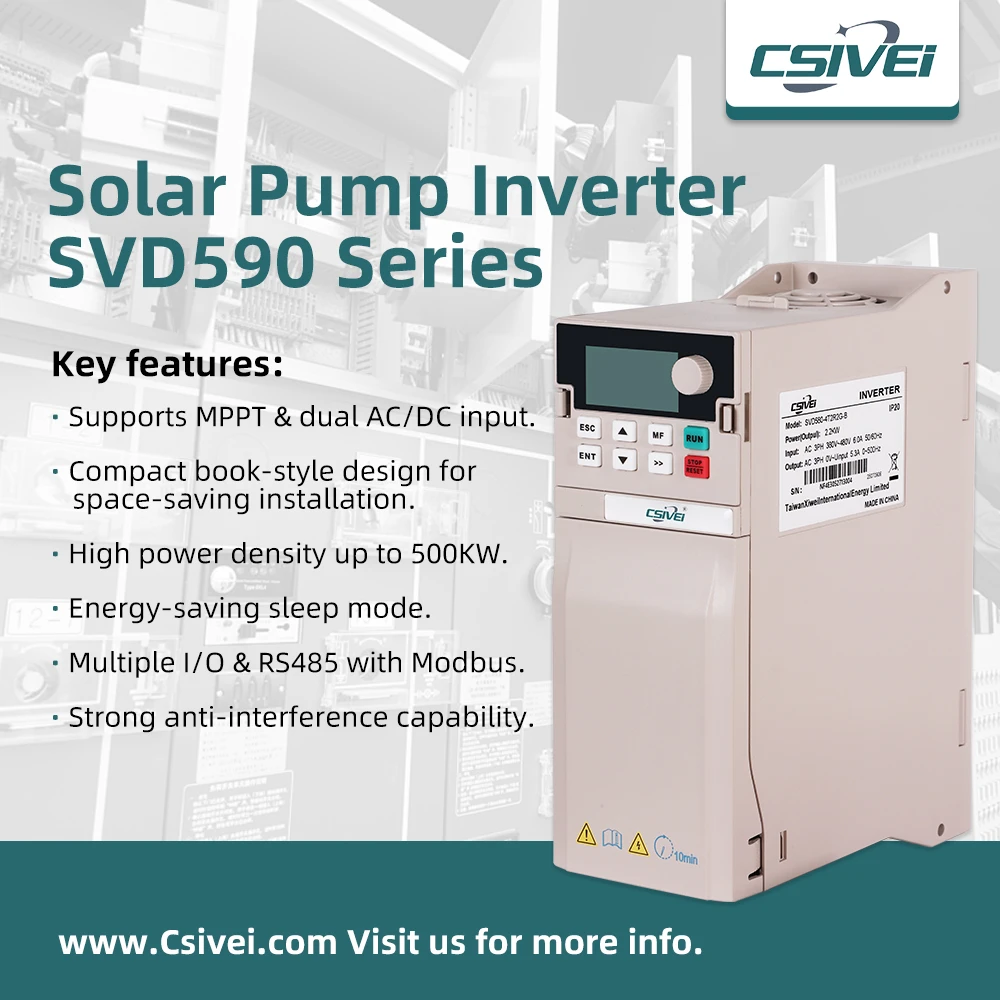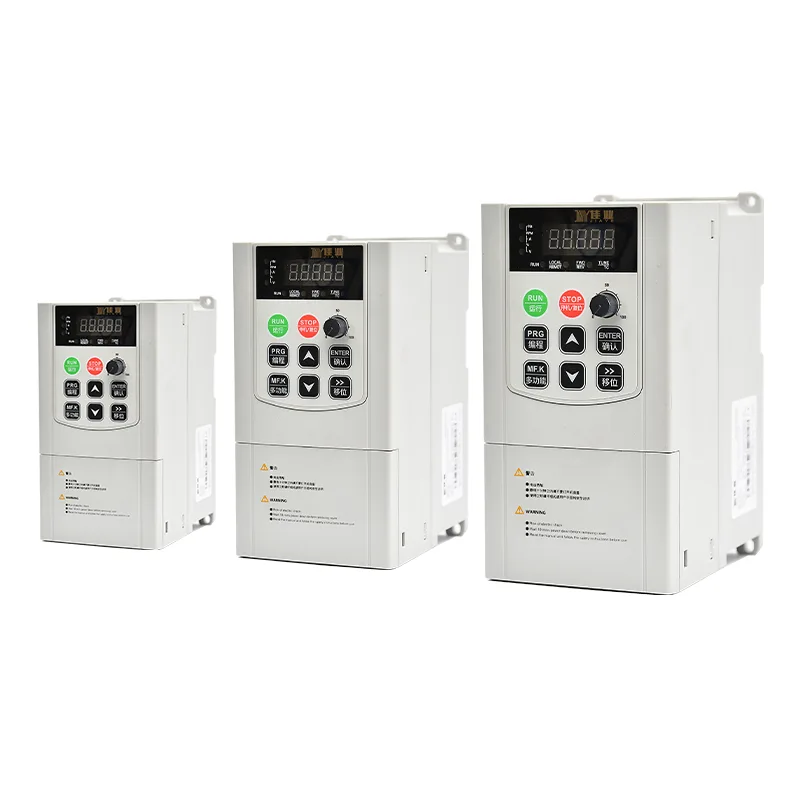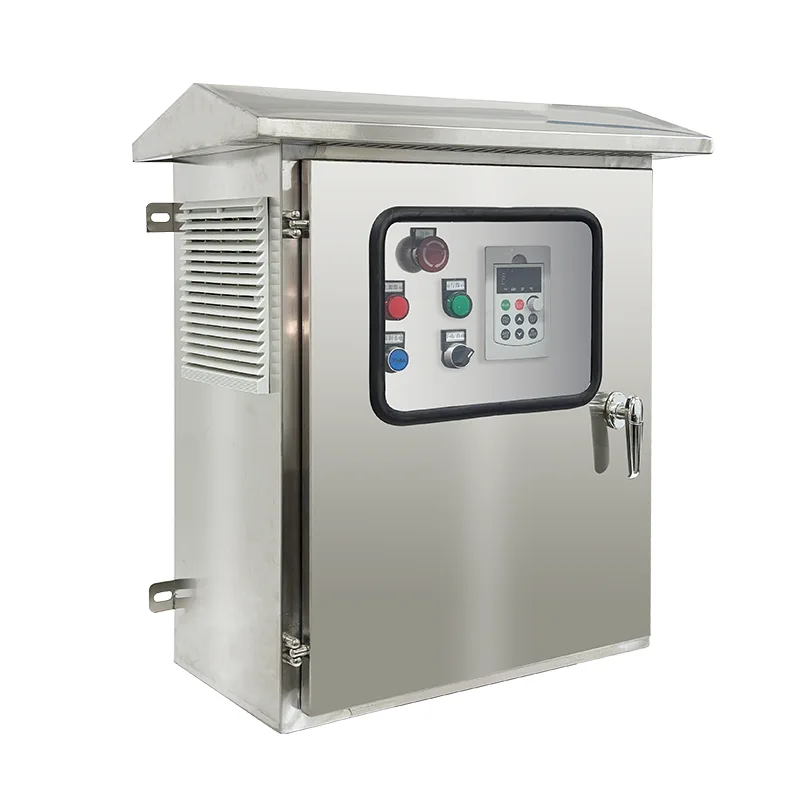



Industrial automation systems increasingly require accurate motor control, stable operation, and flexible adjustment methods for different working conditions. Variable Frequency Drives VFD are widely used in modern industrial equipment because they help regulate motor speed and control electrical power conversion in various applications.
By adjusting motor operating parameters according to system requirements, frequency drive technology supports more flexible equipment operation in industries such as manufacturing, HVAC, water treatment, and material handling. Understanding their working principles, features, and applications helps engineers select suitable solutions for different industrial environments.

Table of Contents
Understanding the Role of Motor Control Technology
Electric motors are essential components in many industrial systems, powering equipment used for production, transportation, ventilation, pumping, and processing. However, different operating conditions often require different motor speeds and output levels.
Traditional motor control methods may provide limited adjustment flexibility because motors usually operate at fixed speeds. Modern industrial systems increasingly require more precise control methods to match equipment operation with changing requirements.
Variable Frequency Drives VFD provide a method for adjusting motor speed by controlling electrical frequency and voltage supplied to the motor. This allows equipment operators to achieve smoother starting, stopping, and speed adjustment processes.
Why Flexible Motor Control Is Important
- Helps equipment operate according to different production requirements.
- Supports smoother motor acceleration and deceleration.
- Allows better coordination between motors and mechanical systems.
- Provides additional control options for automated equipment.
How Modern Drive Systems Control Motor Operation
A frequency drive system works by converting incoming electrical power into a controlled output suitable for motor operation. The drive adjusts frequency and voltage levels, allowing the connected motor to operate at different speeds.
The basic process includes power conversion, signal processing, and output adjustment. Sensors and control systems can provide operating information, allowing the drive system to respond to changing conditions.
Main Components of a Drive System
| Component | Function | Application Role |
|---|---|---|
| Rectifier | Converts incoming AC power into DC power. | Supports the power conversion process. |
| DC Link | Stabilizes converted electrical energy. | Provides consistent power transmission. |
| Inverter | Converts DC power back into adjustable AC output. | Controls motor speed and operation. |
| Control System | Processes signals and operating commands. | Manages system adjustments. |
Supporting Different Operating Conditions
Industrial equipment often experiences changing workloads during operation. Drive technology allows motors to respond to these variations through adjustable operating parameters, helping maintain suitable performance in different situations.
This flexibility is especially useful in systems where motor speed needs to match process requirements rather than remain constant throughout operation.
Important Features of Frequency Drive Equipment
Different industrial applications have different requirements for motor control systems. Engineers usually consider control accuracy, compatibility, protection functions, and installation conditions when selecting suitable equipment.
Adjustable Speed Control
One of the main characteristics of frequency drive equipment is the ability to adjust motor speed according to operational needs. This function allows machines to work under different conditions without changing mechanical components.
Soft Starting and Stopping
Controlled acceleration and deceleration help reduce sudden mechanical stress during motor startup and shutdown. This feature is useful for equipment that requires smoother transitions during operation.
Protection and Monitoring Functions
Modern industrial drive equipment usually includes protection functions designed to monitor operating conditions and help prevent abnormal situations. These functions may include overload protection, over-temperature monitoring, voltage protection, and fault detection.
Monitoring capabilities also provide useful information for system maintenance and troubleshooting. By observing operating status and fault signals, technicians can better understand equipment conditions and perform necessary adjustments.
Common Industrial Applications
Frequency control technology is applied in many industries where motor operation needs to be adjusted according to specific processes. The ability to control speed and improve operational flexibility makes drive systems suitable for a wide range of equipment.
Variable Frequency Drives VFD are commonly integrated into industrial systems including pumps, fans, compressors, conveyors, and production machinery. Their applications depend on factors such as motor type, operating environment, and control requirements.
| Industry Field | Typical Equipment | Control Requirement |
|---|---|---|
| Manufacturing | Production lines, processing machines, automated equipment. | Accurate speed adjustment and stable operation. |
| Water Treatment | Pumps and water circulation systems. | Flexible flow adjustment and process control. |
| HVAC Systems | Fans, air handling units, and ventilation equipment. | Variable airflow management. |
| Material Handling | Conveyors and lifting equipment. | Smooth movement control. |
Applications in Pump and Fan Systems
Pump and fan systems often experience different operating requirements during daily operation. For example, water flow demand or ventilation requirements may change depending on system conditions.
Drive systems allow these motors to operate at suitable speeds instead of maintaining a fixed operating condition. This helps create more flexible equipment designs and supports better coordination between motors and connected systems.
Applications in Manufacturing Equipment
Manufacturing processes often require precise movement control, especially in automated production environments. Motors used in conveyors, machinery, and processing equipment may need different speeds during different production stages.
Adjustable motor control helps manufacturers design equipment that can respond to changing process requirements while maintaining consistent operation.
Factors to Consider When Choosing Drive Solutions
Selecting suitable drive equipment requires consideration of the motor specifications, application environment, and control requirements. Different industrial systems may require different configurations to achieve reliable operation.
Motor Compatibility
The relationship between the drive system and motor is an important consideration. Engineers need to confirm factors such as motor power rating, voltage requirements, operating frequency, and communication compatibility.
Environmental Conditions
Industrial environments may include dust, humidity, temperature changes, and continuous operation conditions. Selecting equipment with suitable protection features helps ensure stable performance in different working environments.
Control Requirements
- Consider the required speed adjustment range for the application.
- Evaluate communication options with existing automation systems.
- Check whether monitoring and protection functions meet operational needs.
- Select suitable installation methods according to equipment conditions.
Importance of Professional Technical Support
Proper configuration and installation play an important role in achieving reliable system performance. Technical knowledge about motors, control systems, and application requirements helps ensure that drive equipment works effectively within the complete system.
Csivei focuses on providing industrial automation solutions with attention to product design, application requirements, and technical support for different equipment systems.
Frequently Asked Questions
What is the main purpose of frequency drive equipment?
The main purpose is to control motor speed and operation by adjusting the frequency and voltage supplied to the motor. This allows equipment to operate more flexibly under different working conditions.
Where are drive systems commonly used?
They are commonly used in industrial applications such as pumps, fans, compressors, conveyors, HVAC equipment, and automated production machinery.
Can frequency drives work with different types of motors?
Many drive systems are designed to work with common industrial motors. However, compatibility depends on motor specifications, application requirements, and drive configuration.
Why is speed control important in industrial equipment?
Speed control allows equipment to match operational requirements more accurately. It can support smoother operation, better process coordination, and improved system flexibility.
Looking for more information about industrial motor control solutions and suitable drive configurations? Contact us to discuss your application requirements with our technical team.