Whatsapp
A contractor asks two suppliers to price a solar pump for the same borehole. One comes back at 5 HP. The other at 15 HP. Neither has made an arithmetic error.
A 5 HP drive and a 15 HP drive are not the same product, and the gap between them is not a rounding difference. The gap changes what you pay for the drive, for the array behind the drive, and for the cable between them.
The first thing most buyers assume is that one supplier is padding the job. In our experience that is rarely what happened. The two suppliers sized to different flow rates, and the flow rate was never written down, because nobody had decided it yet.
So the gap is real and it is explainable. Here is where it comes from. And then there is the part that actually costs money: on either quote, the drive is not the biggest number on the page.
A pump does not lift water from the bottom of the borehole. A pump lifts from the water level, and the water level drops while the pump runs. That drop is called drawdown, and drawdown is the number most enquiries leave out.
Total dynamic head is what sets the power. Total dynamic head has four parts:
| Component | What it is |
|---|---|
| Static water level | Depth to water with the pump switched off |
| Drawdown | How far the level falls at your flow rate |
| Delivery lift | Height from ground level to the tank or discharge point |
| Friction loss | Loss in the drop pipe and the delivery line |
Take one borehole and change only the flow rate:
| Irrigation method | Flow | Pumping water level | Delivery lift + friction | Total dynamic head | VFD size required |
|---|---|---|---|---|---|
| Drip, small block | 12 m³/h | 24 m | 12 m | 36 m | 4.0 HP, order 5 HP |
| Sprinkler, medium block | 20 m³/h | 29 m | 18 m | 47 m | 8.8 HP, order 10 HP |
| Overhead, or dry-season drawdown | 25 m³/h | 33 m | 23 m | 56 m | 13.1 HP, order 15 HP |
Assumptions: static level 18 m, delivery point 8 m above ground, 150 m of combined drop and delivery pipe, wire-to-water efficiency 0.45, 15% margin. Change the efficiency and the sizes move. The spread between them does not.
Same borehole. Same water. Same field. 5 HP to 15 HP, and all three are correct.
The flow rate went from 12 to 25 m³/h. That is the whole gap.
A supplier cannot pick that number for you. The flow rate depends on how you irrigate, and how you irrigate depends on the crop, the block size, and what you can afford to put in the ground. Drip at 12 m³/h and overhead at 25 m³/h are different farming decisions before they are different pump sizes.
When an enquiry says only "borehole, 45 m deep, need a solar pump", the supplier has to guess the flow. And when a supplier guesses, he guesses high. If he guesses low the pump will not deliver water and the phone call about it comes to him.
That is why quotations skew large. The reason is not padding. The reason is self-defence.
Decide the irrigation method first. After that, two quotes are comparable.
This part matters more than the HP number.
Shares of equipment cost for a solar pump inverter system, with the pump itself excluded, at three system sizes:
| Pump size | PV array | Drive cabinet | Mounting, cable, protection |
|---|---|---|---|
| 7.5 HP (5.5 kW) | about a quarter | close to half | the remainder |
| 15 HP (11 kW) | about a third | about a third | the remainder |
| 75 HP (55 kW) | getting on for two fifths | about a quarter | the remainder |
These are ranges, not fixed figures. Read the table downwards, because the direction is the point: as the system gets bigger, the VFD cabinet becomes a smaller share and the array becomes a bigger one. A cabinet is close to a fixed cost per system. Modules scale with kilowatts.
Two things follow, and both are commercial.
Small solar pumping systems cost more per watt than large ones, and no supplier can quote their way out of it. If a 7.5 HP price looks expensive per kilowatt next to a 75 HP one, that is the structure of the product, not the pricing.
And know which size you are negotiating in. At 7.5 HP the VFD is close to half the equipment cost, so the VFD price is worth arguing about. At 75 HP the VFD is about a quarter and the array is where the money sits, so 5% off the drive moves the total much less than 5% off the modules.
On top of the equipment there are three more layers, and none of them are in an FOB price: freight and insurance, duty and clearance, and the run from the port to the site. On a rural pumping site that last leg is usually longer and rougher than buyers expect. Balance-of-system hardware and installation typically add a further 20% to 50% and 5% to 25% on top of the capital cost, depending on the site.
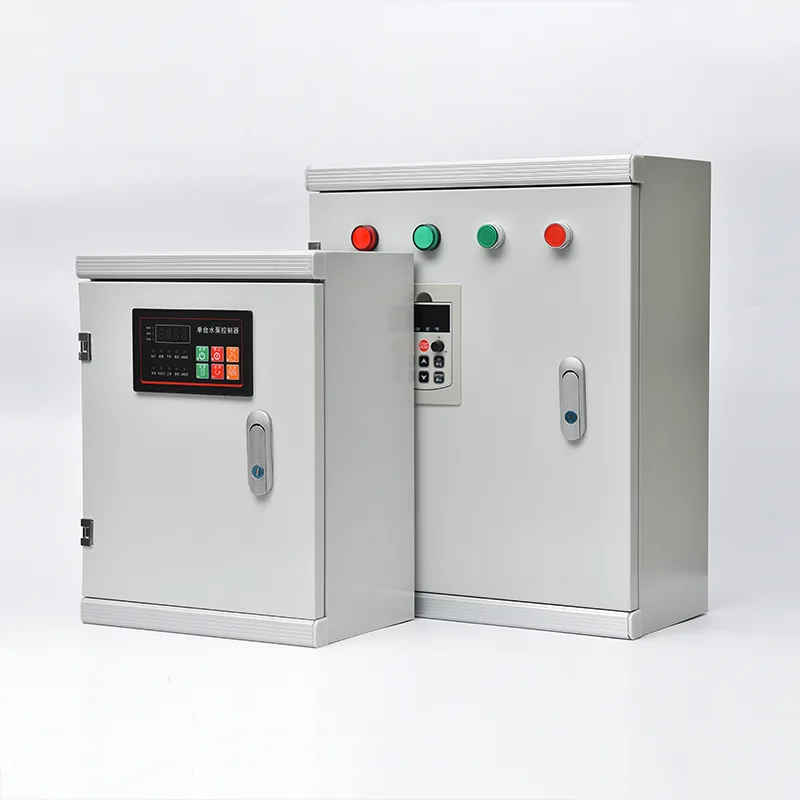
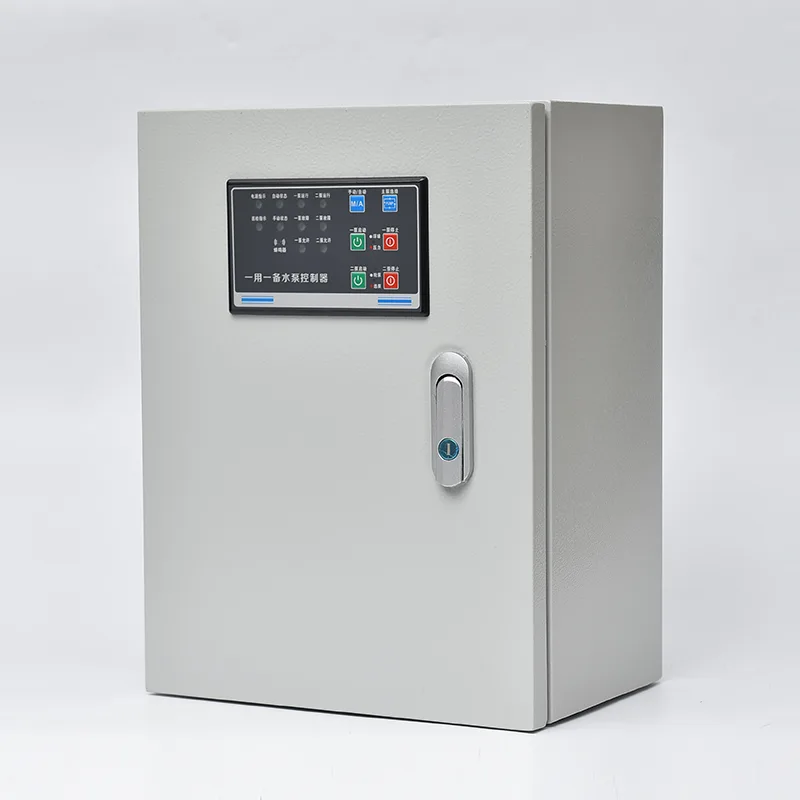
For a closer look at what goes into the cabinet itself, see what makes a solar pumping inverter cabinet reliable.
When one quotation is materially lower than another for the same duty, the difference is usually scope rather than price. Four items account for most of it.
Cable. DC cable from the array to the drive, and the submersible drop cable. Both size with distance, and both are frequently quoted as "by others".
Dry-run and water-level protection. On our drives this is in the firmware. On some it is an external sensor box you buy separately. Without it, a pump that loses prime burns out, and the replacement is yours.
Array sizing and mounting. Some quotations are for the drive alone. If the array is not itemised, it is not included.
Commissioning and spares. Almost never in an FOB figure, and almost always needed.
If a quotation reads only "solar pump inverter, 10 HP, US$xxx", assume all four are missing.
The protection side is worth reading up on separately: how pump control systems improve pumping reliability.
We will not size a solar pump inverter from borehole depth. A 45 m borehole with water at 18 m is an 18 m lift plus drawdown, not a 45 m lift. Quoting to depth produces an oversized pump, and an oversized pump runs off its curve: lower efficiency, higher sand velocity through the impellers, shorter life.
There are jobs where we say do not buy solar. If the water demand is short and seasonal, a few weeks of supplementary irrigation rather than a full cropping calendar, the array sits idle most of the year. If the borehole yield cannot sustain the flow you need, no drive fixes that. If you already have reliable cheap grid power at the wellhead, a standard VFD on grid is the better purchase and we will say so.
We will not quote a number that cannot be compared. If a buyer is collecting figures to put side by side, our quotation lists what is in it and what is not. A lower number that excludes cable and commissioning is not a lower price.
Two suppliers who receive those four numbers come back close together. Two suppliers who do not come back at 5 HP and 15 HP.
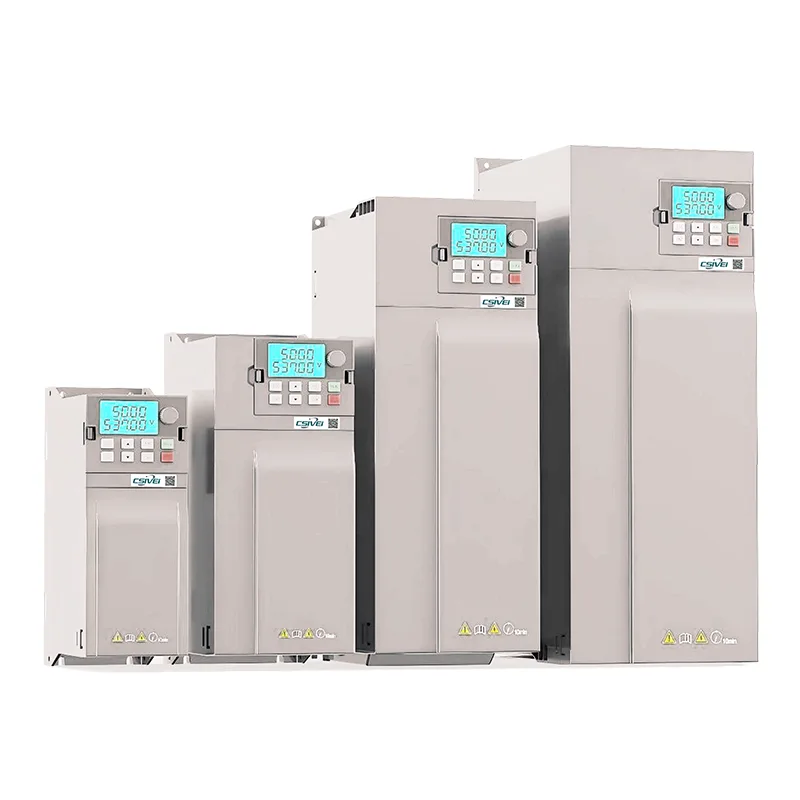
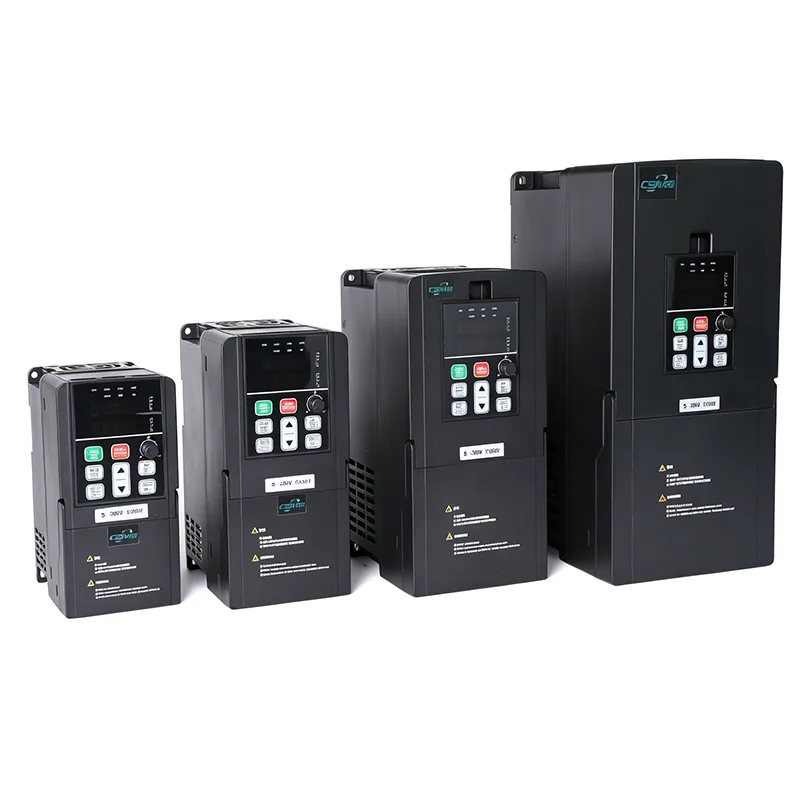
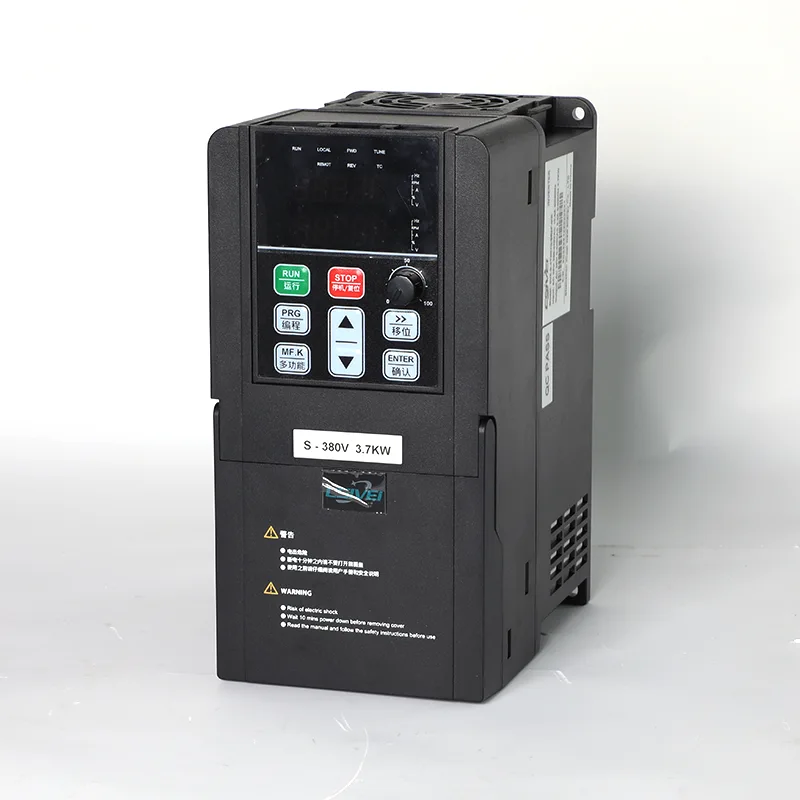
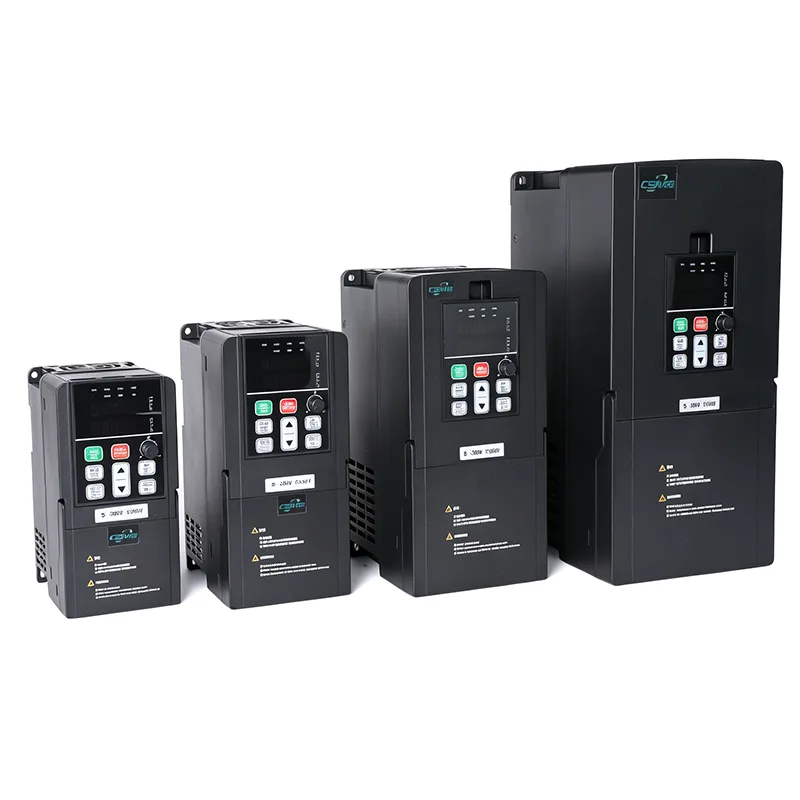
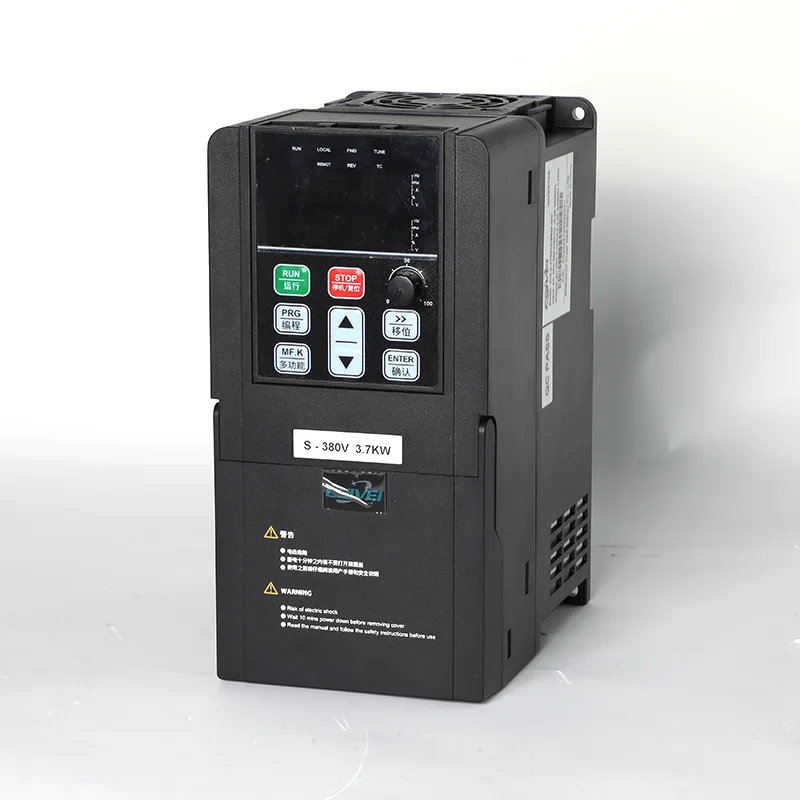
We build solar pump inverters for borehole and surface duties up to 500 kW three-phase, with MPPT tracking, dry-run and water-level protection in the firmware, IP55 or IP65 enclosures, high-voltage DC input for long cable runs, and optional GPRS or Wi-Fi monitoring. Alongside them we build PV grid-connection cabinets and custom control enclosures, frequently for the same remote sites.
Explore the range: Solar Pump Inverters VFD
csivei — Zhejiang Csivei Automation Co., Ltd. 🌐 csiveivfd.com | ✉ sanchia@csivei.com | 📞 +86 157 0577 7705 Liushi Town, Yueqing, Wenzhou, Zhejiang, China
CE and ISO 9001 held. Market-specific approvals are handled as project scope and agreed while the order is being sized.
Tell us your flow rate and your pumping water level when you write. Everything else follows from those two.