Products
Water Treatment Pump Control Panel
  • Water Treatment Pump Control PanelWater Treatment Pump Control Panel

Water Treatment Pump Control Panel

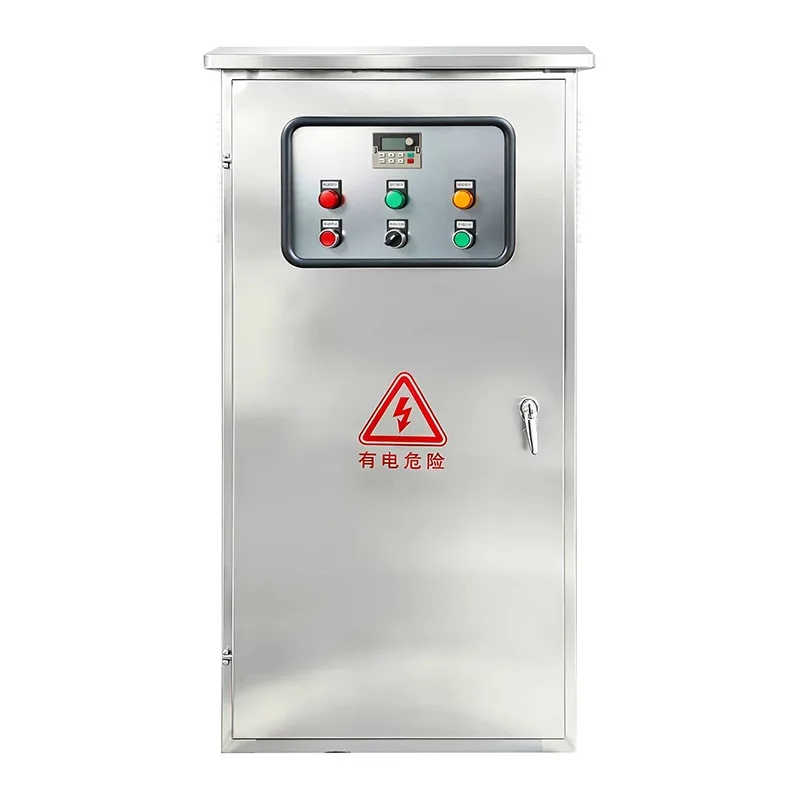
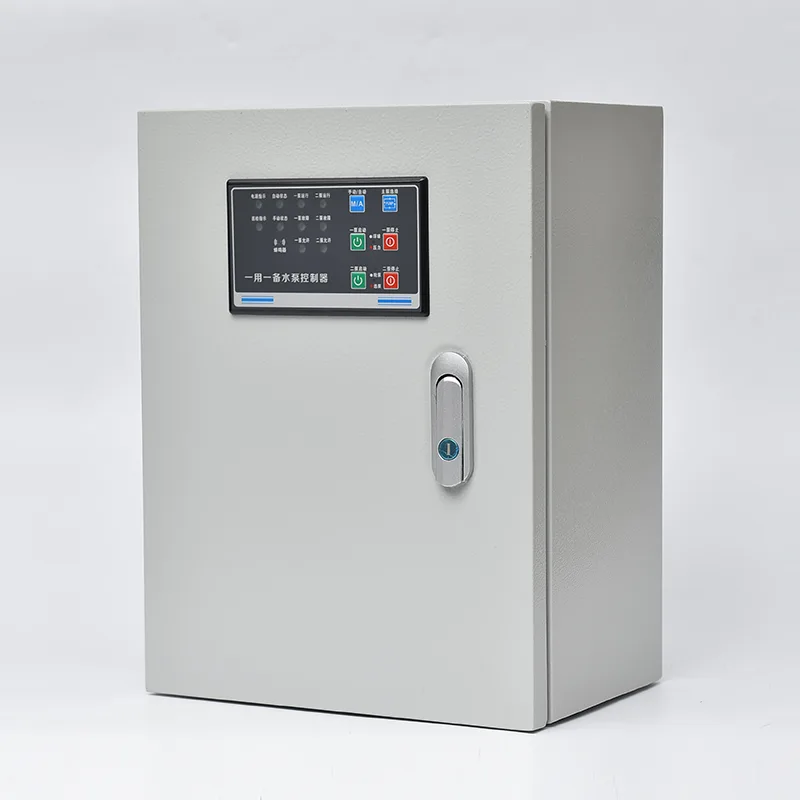
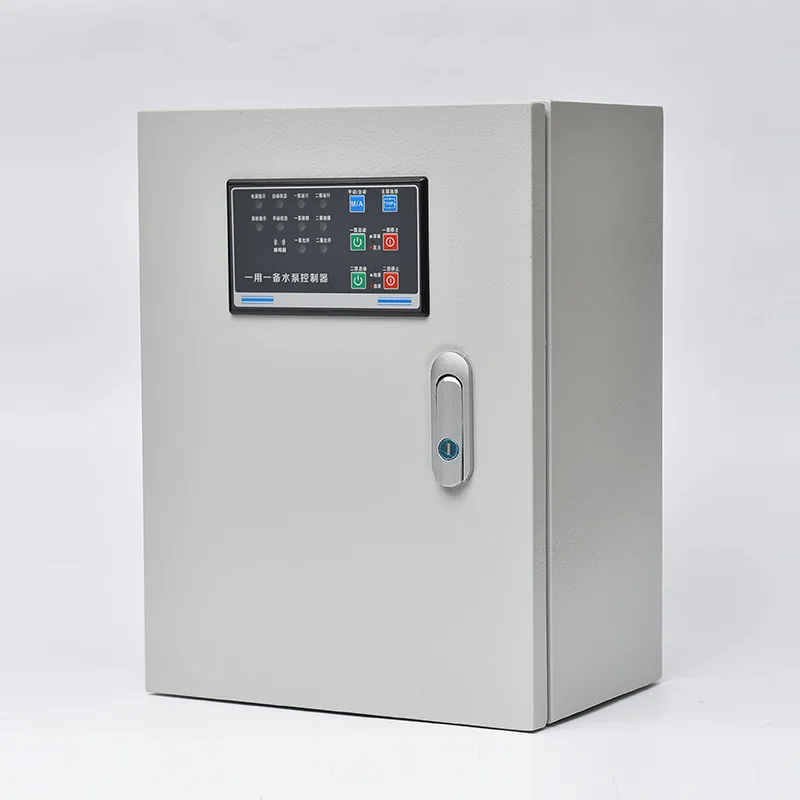
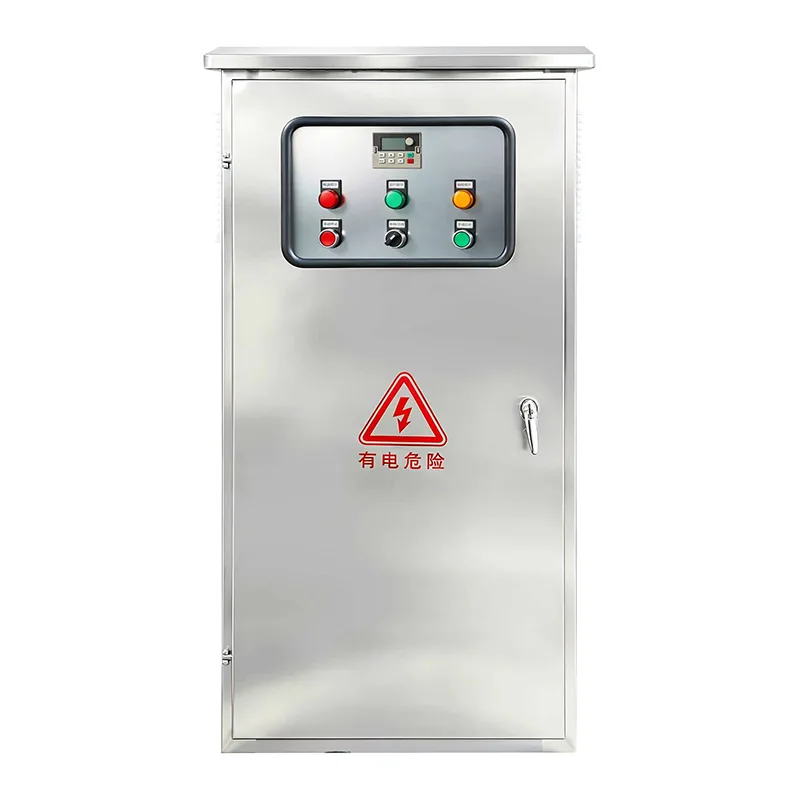
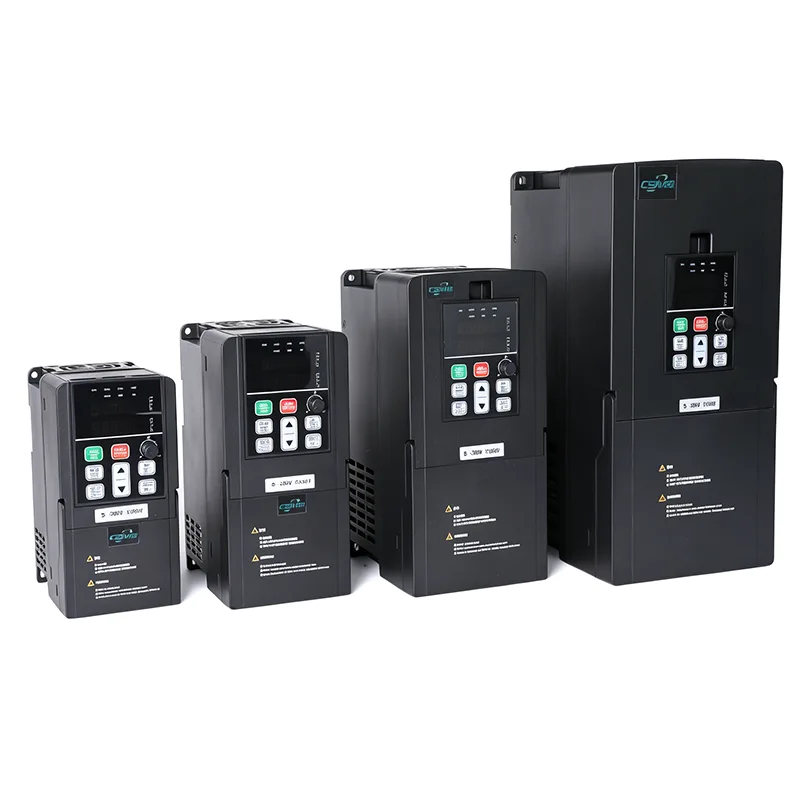
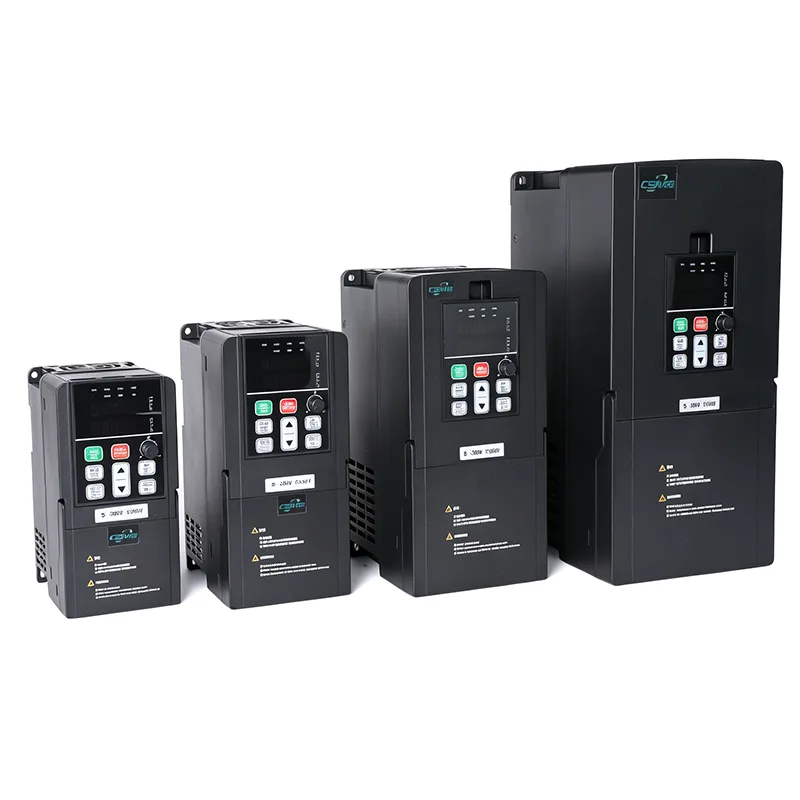
As a dedicated electrical control equipment manufacturer and supplier from China, our factory delivers the Water Treatment Pump Control Panel — a purpose-built pump management enclosure designed specifically for wastewater and sewage handling applications. It automates pump start and stop based on liquid level, manages multiple pumps in duty-assist-standby configuration, and provides robust protection against the electrical and mechanical challenges unique to sewage environments. Backed by in-house engineering and certified production, we provide a reliable, low-maintenance sewage pump control solution for municipal, industrial, and commercial wastewater systems.

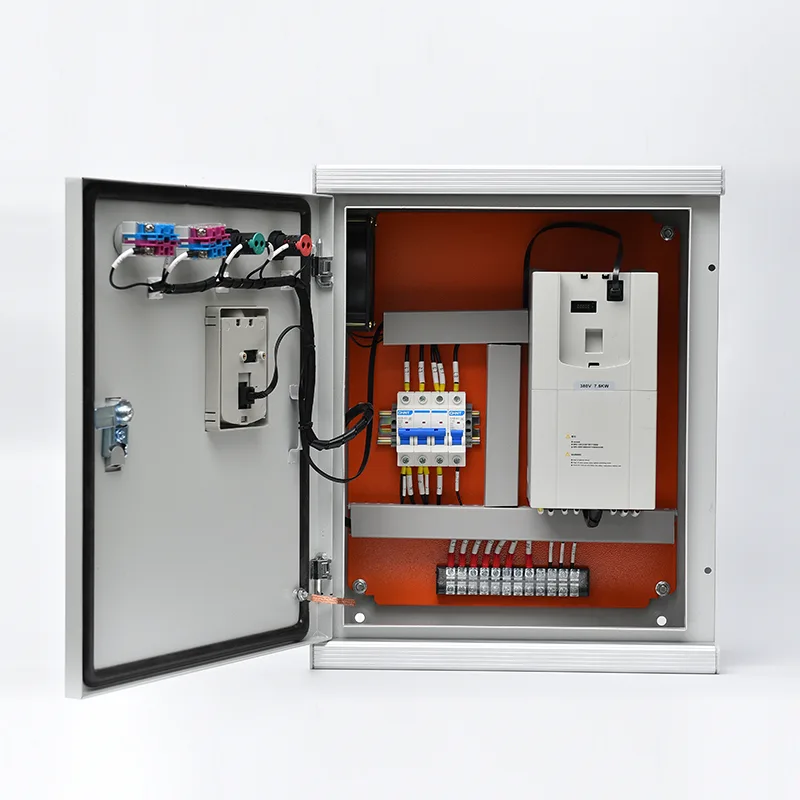
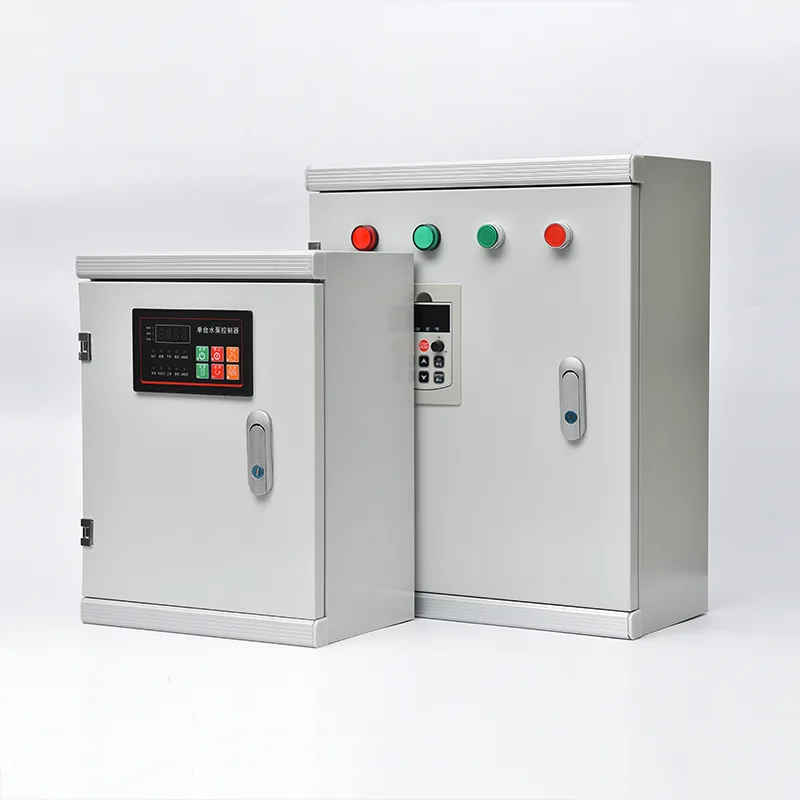
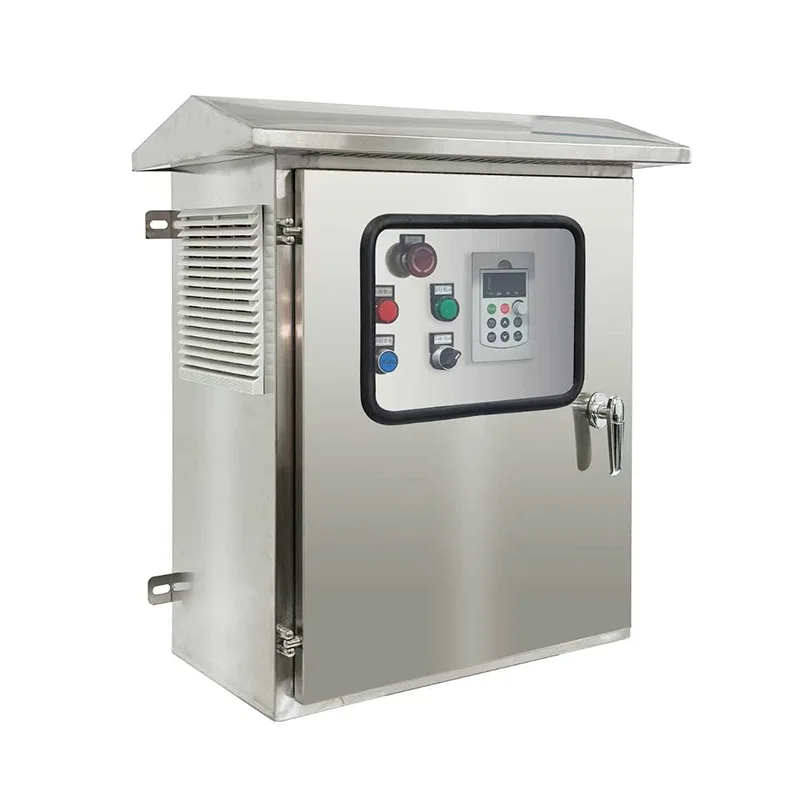
Buy quality Water Treatment Pump Control Panel from leading China manufacturer CSIVEI. It integrates incoming circuit breakers, pump contactors or soft starters, overload relays, a programmable logic controller or dedicated pump controller, and level sensor interfaces in a single floor-standing or wall-mount enclosure. Power ratings span 0.75 kW to 250 kW at 380–480 V three-phase. Liquid level detection accepts inputs from float switches, hydrostatic pressure transmitters, or ultrasonic sensors — the controller automatically starts the duty pump as the sump fills, brings in an assist pump if inflow exceeds single-pump capacity, and activates high-level alarm outputs if levels continue rising. An automatic alternation function rotates the lead pump role based on run hours or each start cycle, balancing mechanical wear. Every pump circuit is individually protected against overload, short circuit, phase loss, and phase reversal. Additional protections specific to sewage duty — such as seal leakage monitoring, bearing temperature monitoring, and pump blockage detection via undercurrent or overload profiling — are integrated to catch problems before motor damage occurs. A door-mounted HMI displays sump level, pump status, run hours, and fault history. Communication via Modbus RTU/TCP or optional 4G gateway enables remote monitoring and SCADA integration. The enclosure uses galvanised steel with anti-corrosion powder coating, rated IP55 standard or IP65 for outdoor installation.


Ideal Applications

From municipal sewage lift stations to industrial effluent handling, the Water Treatment Pump Control Panel provides automated, unattended pump management for the most demanding wastewater environments.


Municipal Sewage Lift Stations

Urban sewer networks rely on lift stations to raise wastewater from low-lying collection points into gravity mains or treatment plants. The control panel manages one to four submersible pumps in a wet well configuration, automatically adjusting pump operation as inflow varies with daily usage patterns. High-level alarm outputs connect to the telemetry system for central SCADA notification, while the alternation function ensures balanced pump wear across the installed fleet.


Wastewater Treatment Plants

Within treatment plants, pump stations handle raw sewage intake, primary sludge transfer, return activated sludge, and treated effluent discharge. The panel manages each pump set independently, with integrated monitoring for seal leakage and bearing temperature critical to preventing submersible motor failure in continuous-duty applications. Communication with the plant SCADA provides real-time flow, energy, and fault data.


Industrial Effluent & Process Wastewater

Food processing, chemical, textile, and mining operations generate effluent with characteristics that challenge standard pump controls — corrosive liquids, high solids content, elevated temperature, or fibrous material. The panel's motor protection profiles can be tuned to detect pump blockage early, initiating an automatic reverse-and-retry cycle to clear impeller obstructions before calling for operator intervention.


Commercial & Residential Complex Pump Stations

Large office parks, shopping centres, and multi-tower residential developments operating below municipal sewer grade require reliable basement sump pump control. The panel provides fully automated operation with high-level alarm outputs connected to the building management system, ensuring no risk of sewage backup into occupied spaces. Its compact wall-mount configuration suits the limited plant room space typical of commercial basements.


Stormwater & Flood Control Pumping

Stormwater stations managing runoff during heavy rain events face long idle periods followed by sudden, intense inflow. The panel offers a rain-mode activation scheme: when a storm trigger is received from a rain gauge or rising well level, all pumps enter a priority-start sequence. Rapid-duty alternation during extended storm pumping prevents any single pump from bearing the full thermal load.


Remote & Unattended Installations

Sewage pump stations in rural or dispersed locations benefit from the panel's full automation and remote monitoring capability. A built-in 4G gateway or radio telemetry interface sends pump status, sump level, and alarm data to a central operations centre. Operators can acknowledge alarms and reset trips remotely, drastically reducing the cost and delay of site visits to stations that may be hundreds of kilometres apart.


Technical Deep Dive

The Water Treatment Pump Control Panel combines level-based pump sequencing, sewage-duty-specific motor protection, and robust environmental hardening into a single factory-tested assembly.


Level Detection and Pump Sequencing

The controller accepts one or multiple level signals from float switches (discrete, typically four levels: stop, lead pump start, lag pump start, high alarm) or a continuous 4–20 mA analogue input from a hydrostatic pressure transmitter or ultrasonic sensor. When the sump level rises to the lead start point, the duty pump starts. If inflow exceeds the single-pump discharge rate and the level continues rising to the lag start point, the controller starts an assist pump. When the level drops to the stop point, all pumps stop. The high-level alarm triggers if the sump reaches a critical threshold — indicating inflow beyond pumping capacity or a pump failure — and this signal is transmitted to the telemetry system as a priority alarm. A configurable run-on timer keeps pumps operating briefly after reaching the stop point to clear the discharge line, preventing solids settlement.


Automatic Alternation and Duty Management

The controller alternates the lead pump designation on each pump cycle or on a configurable run-hour basis. Alternation occurs at the stop point — after the current cycle completes, the next pump in sequence becomes the lead. If the lead pump fails to start or trips during operation, the controller automatically designates the next available pump as lead and starts it immediately while locking out the faulted pump and generating an alarm. This automatic changeover ensures continuous station operation without operator intervention.


Sewage-Specific Motor Protection

Beyond standard overload and short-circuit protection, the panel incorporates protections tailored to the failure modes of submersible sewage pumps. Seal leakage detection uses a conductivity sensor in the pump's oil chamber or seal cavity. If water ingress is detected, the panel raises an alarm — allowing maintenance scheduling before the motor winding is compromised — and can be configured to trip the pump if leakage reaches a critical threshold. Bearing temperature monitoring accepts PTC thermistor or PT100 inputs embedded in the pump motor. Overtemperature triggers either an alarm or a trip depending on severity. Pump blockage protection uses motor current profiling: if the controller sees a sudden drop in current below the normal operating band, indicating a blocked or snagged impeller running light, it initiates a configurable reverse-and-retry cycle (one or more short reverse-direction runs to clear the obstruction) before alarming.


Starting Methods

The panel matches the starting method to the pump motor size and site supply constraints. Direct-on-line starting suits smaller pumps up to approximately 7.5 kW. Star-delta starting reduces inrush for medium-power pumps. Soft starters are specified for larger pumps where supply voltage dip must be controlled and check valve slam from abrupt starting needs to be avoided. VFDs are used where variable-speed operation is required — for instance, matching pump speed to inflow to maintain a consistent wet-well level rather than cycling between fixed on-off points.


Control Power and Safety

A dedicated control transformer supplies 24 VAC or 24 VDC for the controller, HMI, sensors, and alarm circuits — fully isolated from the motor power path. Emergency stop pushbuttons on the panel door mechanically isolate pump power. An external safety interlock loop accepts inputs from wet-well gas detection, door interlocks on the pump station entry, and thermal protection from any upstream equipment.


HMI and Operator Interface

A door-mounted text display or colour touchscreen provides real-time sump level, pump status, run hours, start count, motor current, and active alarms with time-stamped fault history. The interface supports manual pump control for maintenance, with auto-restore after a configurable timeout to prevent accidental manual lockout. Parameter adjustment — level setpoints, run-on timers, alternation mode — is password-protected.


Remote Monitoring

Standard RS485 Modbus RTU connects to pump station telemetry units. An optional 4G or Ethernet cloud gateway provides direct web and smartphone access to pump status, level data, energy consumption, and alarm push notifications. A dry contact alarm output for each pump fault and the common high-level condition is typically hardwired to the telemetry system as a priority over any network-based alarm.


Enclosure and Corrosion Protection

Sewage pump stations present a corrosive atmosphere — hydrogen sulphide, humidity, and in some cases chemical vapours. The enclosure is fabricated from galvanised steel with a chemical-resistant powder coat finish. IP55 is standard; IP65 with sealed cable entry via compression glands is specified for outdoor or exposed installations. Ventilation filters use activated carbon media where H₂S exposure is significant. All internal metalwork is plated or stainless steel, and PCBs are conformally coated against moisture and corrosive gases.


Frequently Asked Questions

Q1: What level sensors can the panel accept, and how many levels does it control?

The panel accepts float switches (typically four discrete levels), hydrostatic pressure transmitters (4–20 mA), or ultrasonic sensors. With discrete floats, the control levels are stop, lead pump start, lag pump start, and high alarm. With an analogue sensor, these setpoints are programmed directly in the controller, providing greater flexibility and remote adjustability.


Q2: How does the panel handle pump blockage from rags and solids?

The controller monitors motor current continuously. If current drops significantly below the normal pumping band, the controller identifies a likely blockage and initiates an automatic reverse-and-retry sequence. The pump is run briefly in reverse to dislodge the obstruction, then restarted forward. If the attempt succeeds and current normalises, operation continues. If blockage persists after the configured number of attempts, the pump is locked out and an alarm is generated.


Q3: What happens if the duty pump fails during operation?

The controller immediately designates the failed pump as unavailable, selects the next available pump in the rotation sequence, starts it, and raises a fault alarm. This automatic changeover ensures pumping continues without delay. The faulted pump remains locked out until the alarm is acknowledged and the fault cleared.


Q4: How does alternation work, and can I set it to run-hour based rotation?

Alternation changes which pump acts as lead after each complete pump cycle, or on a configurable run-hour threshold. Run-hour-based rotation equalises mechanical wear and seal life across all pumps. Alternation occurs at the stop point when the sump is empty, so there is no risk of high-level events during the changeover.


Q5: What communication and remote alarm options are included?

The panel provides: volt-free relay contacts for common alarm, high-level alarm, and individual pump fault (for hardwired telemetry connection); RS485 Modbus RTU as standard for local SCADA or RTU integration; and optional 4G cloud gateway for direct remote access via web browser or smartphone app, with push notification alarms.


Q6: Can the panel run on a backup generator?

Yes. The panel's pump sequencing and soft starters or star-delta starters limit inrush current, enabling a generator to start pumps within its capacity. An optional generator input signal can reduce the number of pumps permitted to run simultaneously when on backup power, preventing generator overload.


Q7: What maintenance does the panel require?

Monthly visual inspection of door seals, ventilation filters, and internal condition. Quarterly check of power terminations and contactor condition. Annual functional testing of level inputs, high-level alarm, alternation logic, and safety devices. The panel's corrosion protection measures should be inspected annually in aggressive environments. Contactors are the primary serviceable item, with replacement intervals dependent on pump cycle frequency.


A Regional Sewage Network — Lift Station Control Upgrade

Background

A regional water authority in the United Kingdom operated over 40 sewage lift stations across rural and suburban areas, collecting wastewater from small communities and pumping it to centralised treatment works. Many stations were 15 to 25 years old with ageing control panels using basic float-switch relay logic. The authority faced rising call-out costs for pump blockages and failures, a lack of visibility into station status between scheduled inspections, and increasing difficulty sourcing replacement parts.


The Challenge

The existing relay-based panels offered no remote monitoring, no pump blockage detection, and no automatic alternation — each station ran a single pump with a manual-duty standby requiring a physical visit to change over. Blockage events on the duty pump went undetected until the standby pump also alerted, resulting in emergency call-outs and occasional sewage spills. The stations were spread across 1,500 square kilometres, making reactive maintenance both slow and costly.


When the authority planned a control system upgrade, the new panels had to fit within the existing above-ground kiosks without civil modifications, interface with both existing float switches and new ultrasonic level sensors, and communicate via the authority's existing telemetry network — a mix of UHF radio and GPRS that required simple dry-contact alarm outputs alongside Modbus data. The specification also required automatic alternation, blockage detection, and seal leakage monitoring.


Why Water Treatment Pump Control Panel?

The factory-engineered panel solution addressed every requirement in a single package. Panels were built to the exact mounting dimensions of the kiosk backplanes, avoiding any structural work. The controller accepted both existing float switch inputs and new ultrasonic 4–20 mA signals, allowing stations to be upgraded gradually.


The pump blockage detection proved decisive. Early trials at three stations identified that many blockage call-outs were actually intermittent snags that cleared themselves — the panel's automatic reverse-and-retry sequence resolved these without operator intervention. Only persistent blockages triggered an alarm. Seal leakage monitoring detected moisture ingress in two pumps during commissioning, allowing pre-emptive bearing replacement before the pumps were deployed into regular service.


Alarm outputs were configured to interface directly with the authority's existing UHF telemetry outstations. Combined with Modbus data available to the SCADA team, the authority gained both simple fault notification and detailed station analytics.


Deployment

Forty prefabricated panels, configured for dual-pump stations (1.5 kW to 15 kW), were manufactured and tested over four months and installed by the authority's electrical team following a standardised commissioning procedure. Panels included soft starters on pumps 7.5 kW and above, seal leakage and bearing temperature monitoring inputs, blockage detection logic, and both float and ultrasonic level compatibility. A phased rollout saw six stations upgraded per month, with the entire network completed in under eight months.


Results

●  Emergency pump call-outs reduced by approximately 60% within the first year, driven by the automatic reverse-and-retry clearing minor blockages and early warning from seal leakage monitoring allowing planned maintenance.

●  Pump alternation balanced run hours across duty and standby pumps for the first time at most stations, extending mechanical seal and bearing service intervals.

●  The SCADA team gained real-time visibility of sump levels, pump status, and run hours across all 40 stations, replacing the previous reliance on weekly physical inspections.

●  Operators reported that the standardised panel layout across all stations dramatically simplified fault-finding, as every technician knew exactly where each component and terminal was located.

●  The authority has since adopted the same panel specification for a further 15 stations in a network extension programme.

Water Treatment Pump Control Panel

Hot Tags: Water Treatment Pump Control Panel
Send Inquiry
Contact Info

If you have any enquiry about quotation or cooperation, please feel free to email us at sanchia@csivei.com or use the following inquiry form.Our sales representative will contact you within 24 hours. Thank you for your interest in our products.


WhatsApp:8615705777705

Web:www.csiveivfd.com


X
We use cookies to offer you a better browsing experience, analyze site traffic and personalize content. By using this site, you agree to our use of cookies.Privacy Policy
RejectAccept