Products
Industrial Control Cabinet
  • Industrial Control CabinetIndustrial Control Cabinet
  • Industrial Control CabinetIndustrial Control Cabinet

Industrial Control Cabinet

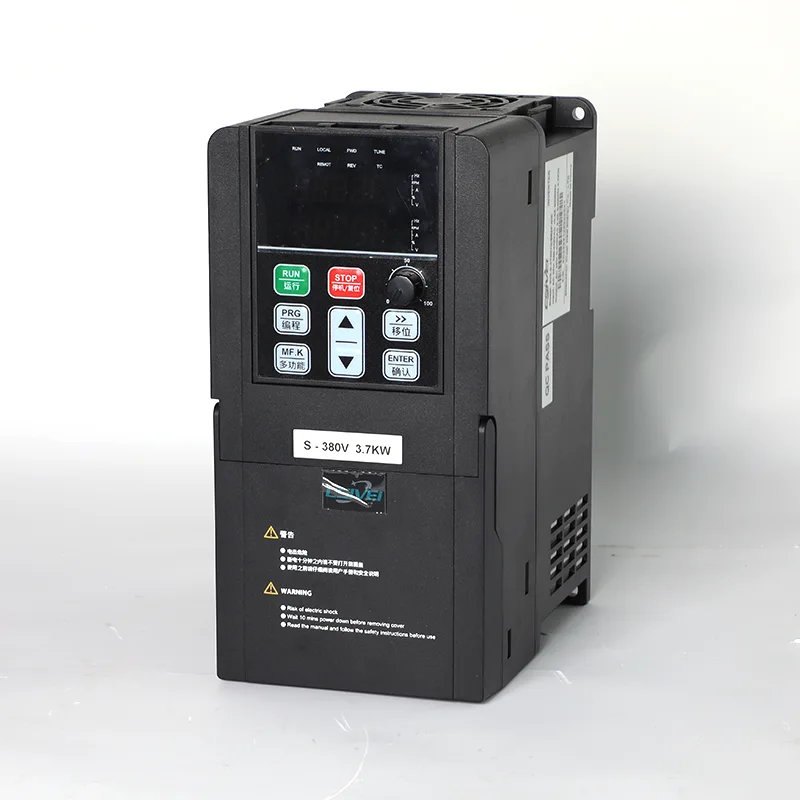
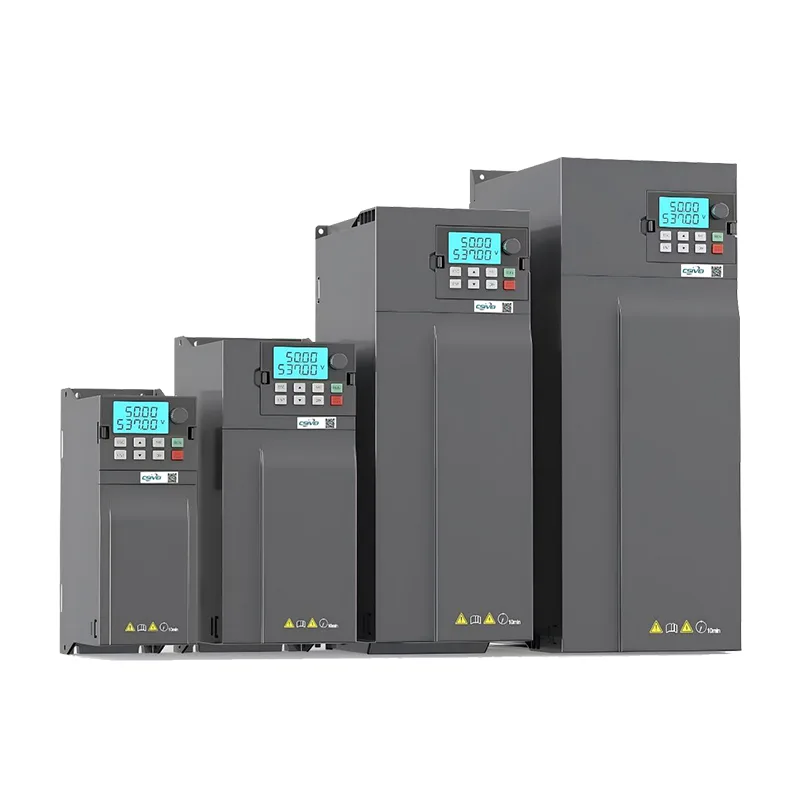
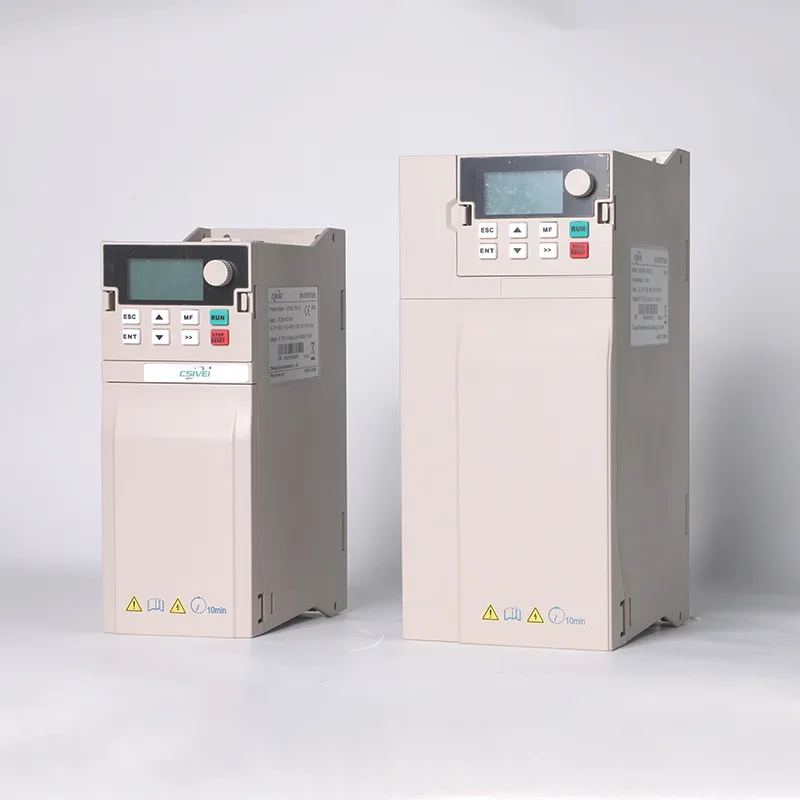
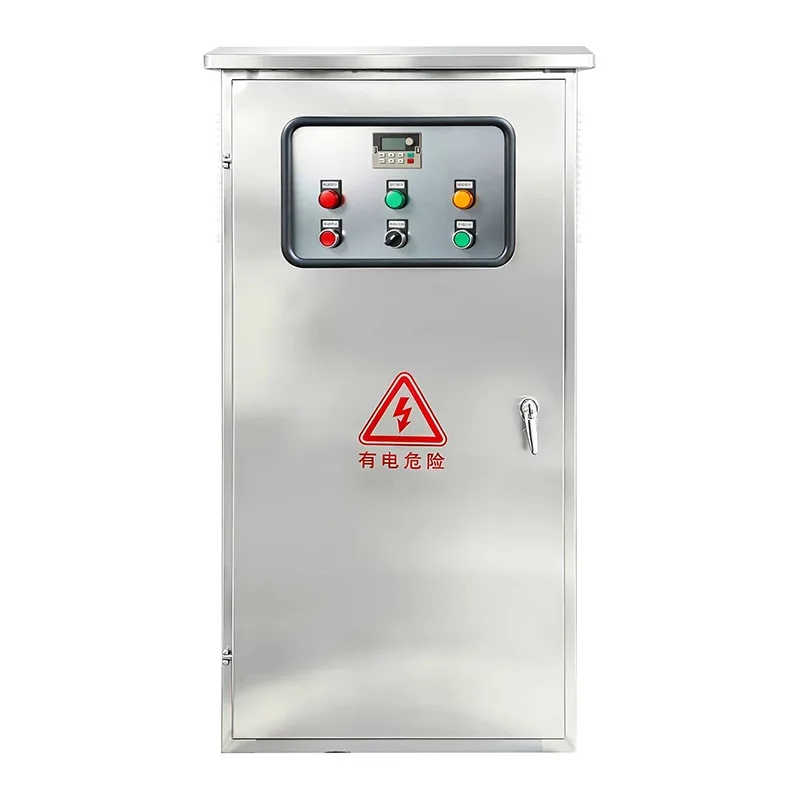
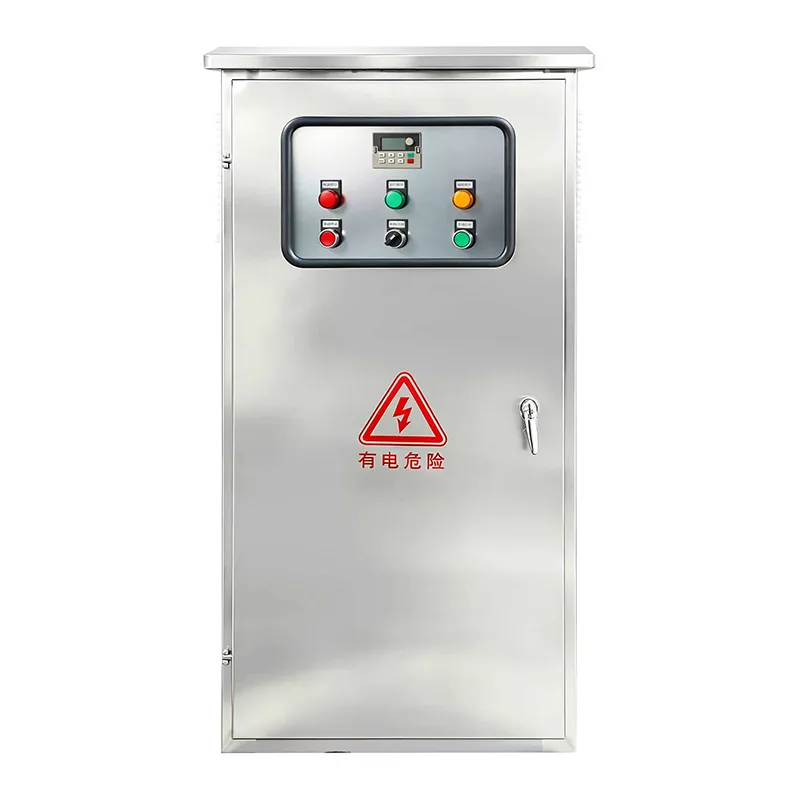
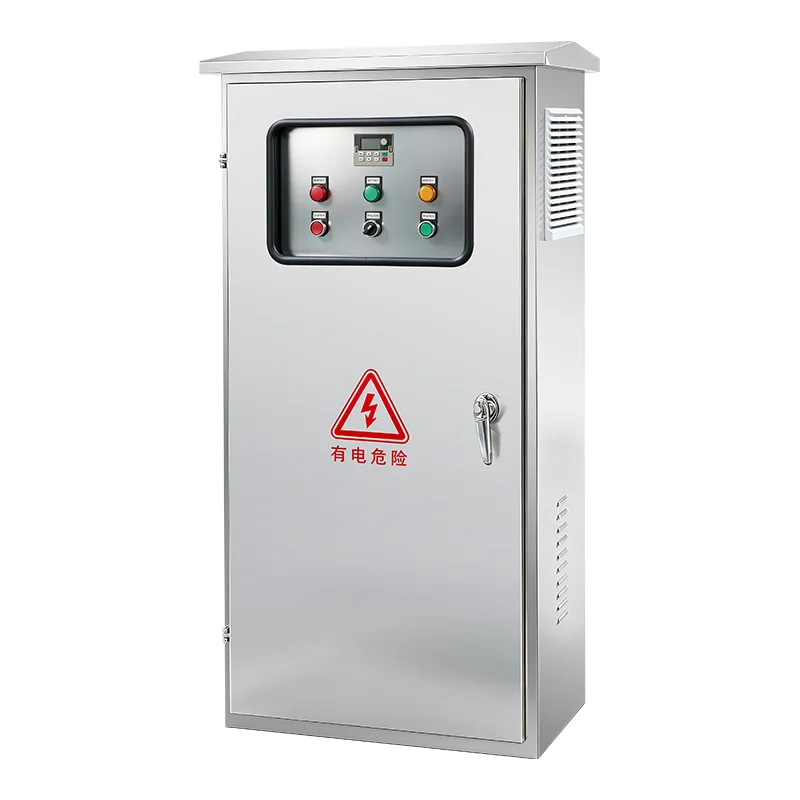
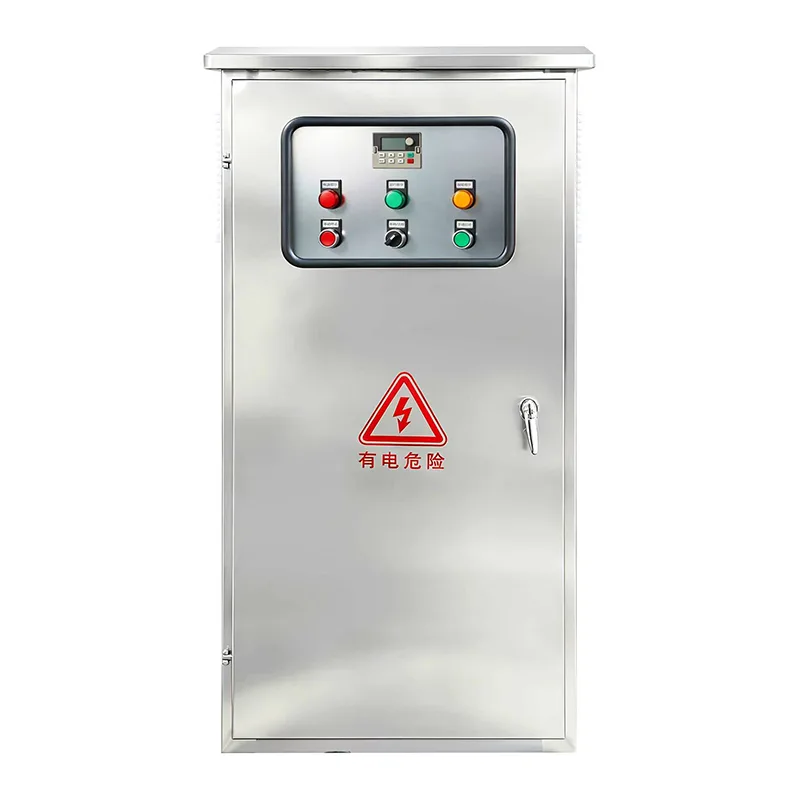
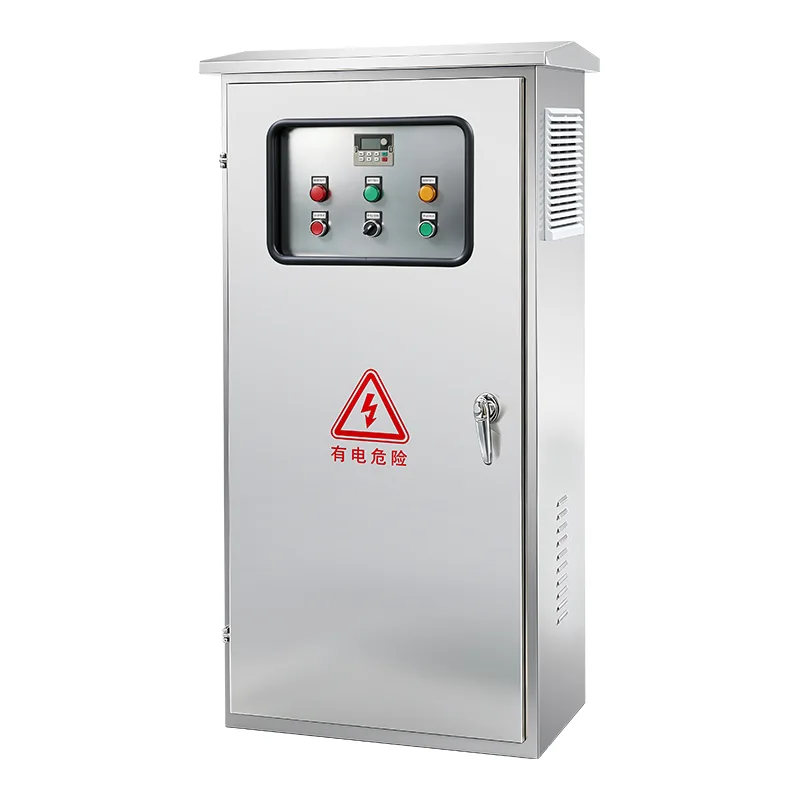
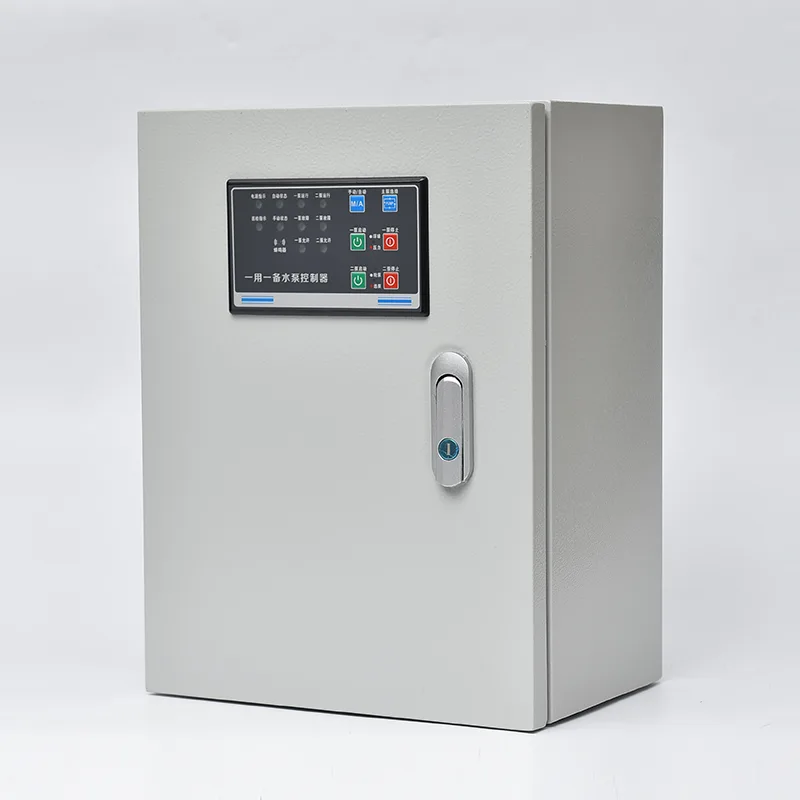
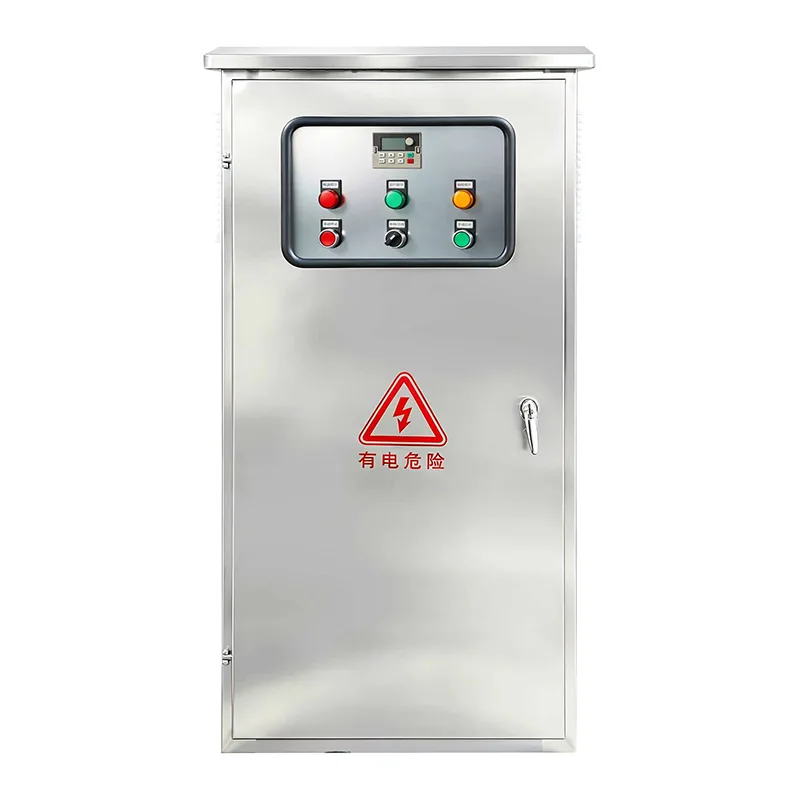
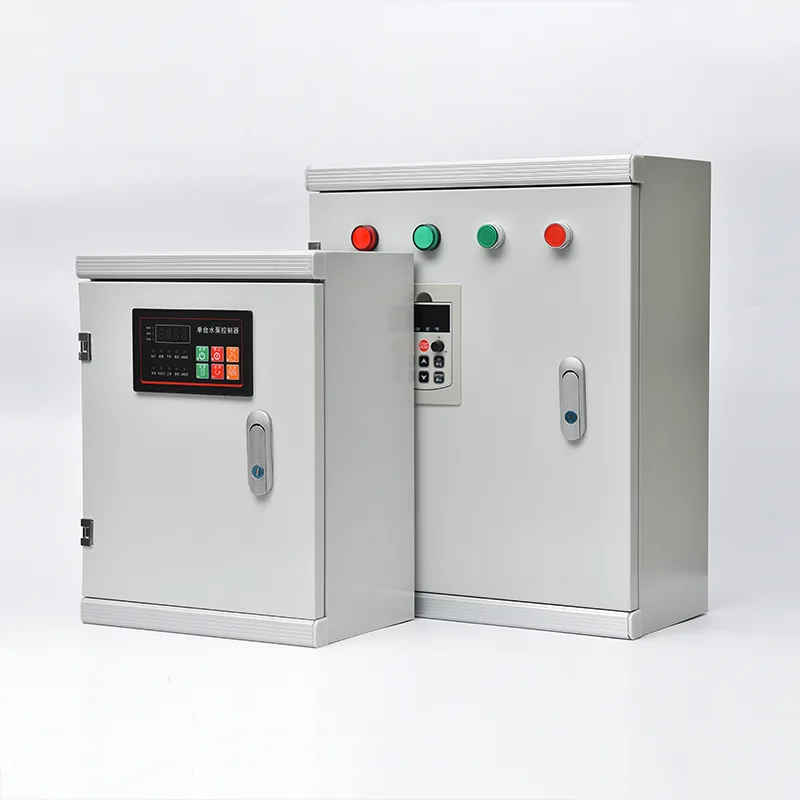
As a dedicated fire protection equipment manufacturer and supplier from China, our factory delivers the Industrial Control Cabinet — a certified, factory-assembled control panel purpose-built to automatically start, monitor, and protect electric motor-driven or diesel engine-driven fire pumps in accordance with NFPA 20 and UL/FM requirements. Designed for mission-critical reliability in fire sprinkler and standpipe systems, it combines automatic pressure-based starting, comprehensive motor protection, alarm annunciation, and auxiliary device control in a single rugged enclosure. Backed by in-house engineering and certified production, we provide a complete fire pump control solution that meets the stringent demands of life-safety applications worldwide.

The controller is available in configurations for electric motor-driven fire pumps (full-voltage, wye-delta, autotransformer, soft-start, and part-winding starting methods) and diesel engine-driven fire pumps (with dual battery chargers, fuel solenoid control, and engine monitoring circuits). Power ratings span 5 HP to 400 HP at 208–600 V three-phase. Automatic starting is triggered by a pressure drop in the system header — sensed by a pressure transducer or pressure switches — or by remote signals from deluge valves, fire alarm panels, or manual pull stations. Once started, the pump runs until all starting causes have cleared and the pump is manually or automatically stopped, with a minimum run timer preventing short cycling. Integrated alarms cover phase failure, phase reversal, motor overload, pump failure to start, low pressure, and controller not in auto, with volt-free relay outputs for remote building management or fire alarm system connection. A microprocessor-based operator interface displays system pressure, three-phase voltage and current, alarm status, and event history, with a weekly test timer that automatically exercises the pump on a programmed schedule to verify system readiness. The enclosure is fabricated from heavy-gauge steel with red powder coating, rated NEMA Type 2 (IEC IP31) minimum, with optional NEMA 3R, 4, 4X (IP65) for outdoor and corrosive environments. An integral automatic transfer switch for generator backup is optionally available. The controller is UL listed to UL 218, FM Approved to Class 1321/1323, and CE marked, with full factory acceptance testing conducted on every unit before shipment.


Ideal Applications

Where fire protection systems demand guaranteed, code-compliant pump control that operates without fail in an emergency, the Industrial Control Cabinet provides the certified starting, monitoring, and protection backbone.

Commercial High-Rise & Office Buildings

Office towers, hotels, and mixed-use high-rise buildings depend on automatic Industrial Control Cabinet to maintain sprinkler system pressure at upper floors. When a sprinkler head opens, the resulting system pressure drop is instantly detected, and the fire pump controller starts the main pump to sustain water flow. The controller's integrated alarm outputs connect to the building fire alarm panel for centralised monitoring, while the weekly test timer automatically exercises the pump to verify mechanical readiness without requiring facilities staff to manually run the test.

Industrial & Manufacturing Plants

Factories, warehouses, chemical processing plants, and power stations present high fire-load environments where rapid suppression is critical. Fire pump controllers in these facilities are often configured with reduced-voltage starters to limit inrush current on plant electrical systems. For sites in hazardous areas, the controller is installed remotely from the classified zone with intrinsically safe remote start inputs. Controller enclosures are specified to suit the plant conditions — from dust-tight for cement and wood processing to corrosion-resistant for chemical environments.

Municipal Water Supply & Public Infrastructure

Airports, convention centres, hospitals, stadiums, and government buildings require code-compliant fire pump control that meets the highest standards of listing and approval. Controllers specified for these public-sector projects typically require UL listing and FM approval, with documentation packages including single-line diagrams, test certificates, and installation manuals. The pressure transducer interface with paperless trend logging allows fire marshals and insurers to verify system readiness during inspections.

Oil, Gas & Petrochemical Facilities

Refineries, tank farms, and offshore platforms demand Industrial Control Cabinets engineered for the extreme reliability requirements of high-hazard environments. Controllers are often configured with diesel engine prime movers backed by dual battery systems for black-start capability. Enclosures are specified to NEMA 4X or IP66 for resistance to salt spray, chemical corrosion, and jet washing. The controller's event and data logger provides auditable records for regulatory compliance, documenting every pump start, pressure event, and alarm condition.

Warehouse & Logistics Centres

Large-scale distribution centres, cold storage facilities, and rack-storage warehouses rely on Industrial Control Cabinet to supply automatic sprinkler systems protecting high-value inventory. Given the large roof areas, multiple fire zones may be protected by a single pump house. The controller's sequential start delay function prevents simultaneous starting of multiple pumps on the same supply, avoiding voltage collapse.

Diesel Engine Standby Systems

Where the electric utility supply is unreliable, or where site codes require a secondary power source, diesel engine-driven Industrial Control Cabinet maintain full automatic starting capability independent of the grid. The controller maintains dual starting batteries with independent smart chargers that monitor battery condition and alert operators to degraded cells. Weekly automatic test runs on both batteries confirm engine cranking readiness without operator intervention.

Technical Deep Dive

It is a type-listed, factory-assembled control panel engineered to detect pressure drops, start the fire pump driver, monitor for faults, and annunciate alarms — all within a code-compliant enclosure designed for fire pump room environments.

Automatic Starting Sequence

The controller continuously monitors system pressure via a pressure transducer or dual-pressure switches connected to the fire protection water main. When pressure falls below the field-adjustable cut-in setpoint, the controller initiates the starting sequence. For electric motor-driven controllers, the motor contactor closes and the pump accelerates to full speed. For diesel engine-driven controllers, the control circuit energises the fuel solenoid, engages the starter motor cranking cycle on Battery 1, and, if the engine fails to start within a configurable cranking period, automatically alternates to Battery 2 for successive crank attempts. A running detection circuit — monitoring generator output frequency on diesel units or motor current on electric units — confirms successful starting and terminates the cranking cycle.

Multiple Starting Causes

Beyond automatic pressure drop detection, the controller accepts additional start inputs for comprehensive system integration: remote manual start from a fire command centre or pull station, deluge valve start from dry-pipe or pre-action valve actuation, and flow switch or test timer start input with separate configurable run durations. In multi-pump installations, a sequential start timer delays pump starts progressively — Pump 1 starts immediately on pressure drop, Pump 2 after 5–10 seconds, Pump 3 after a further delay — preventing simultaneous inrush from multiple large motors on the same supply.

Motor and Circuit Protection

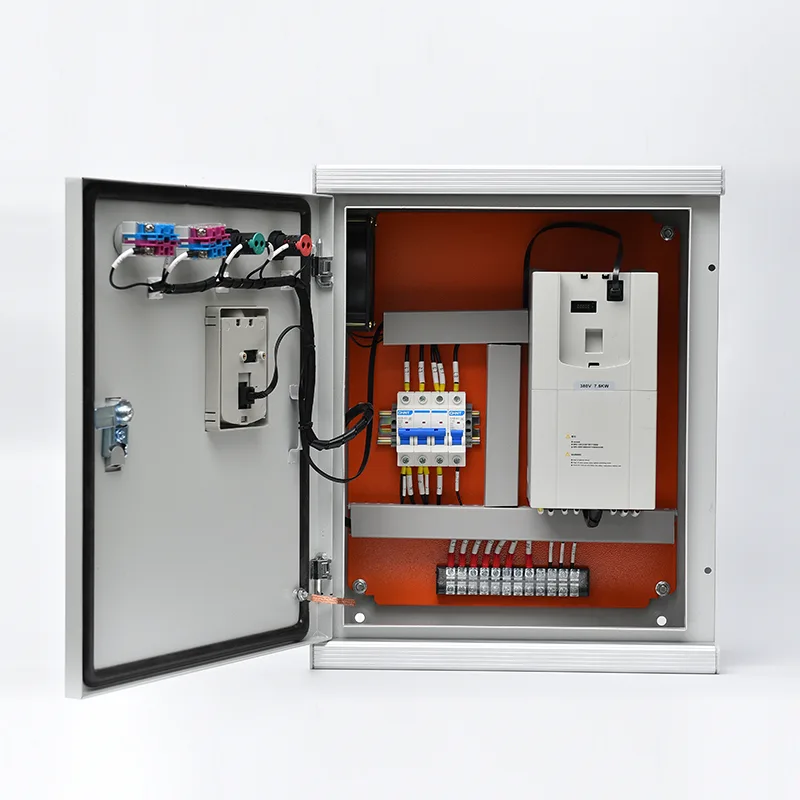
For electric motor-driven controllers, the incoming power circuit is isolated by a motor-rated isolating switch and circuit breaker combination, mechanically interlocked and operated by a single externally mounted handle. The enclosure door is defeated only with a tool when the handle is in the ON position, preventing unauthorised access to live parts. The isolating switch is rated to disconnect the full motor load. Short-circuit withstand rating is 100,000 A RMS symmetrical at 480 V. Motor overload protection uses electronic overload relays with phase loss, phase reversal, and current unbalance detection. For diesel controllers, engine protection circuits monitor low oil pressure, high coolant temperature, overspeed, and failure to start, with all conditions annunciated on the controller display and via remote alarm outputs.

Microprocessor Control and Operator Interface

The controller logic is managed by a microprocessor-based control board that executes the starting sequence, monitors all inputs, logs events, and drives alarm outputs. A door-mounted operator interface — LCD text display or colour touchscreen — provides real-time system pressure, three-phase voltage and current readings, alarm status with time-stamped event and data logger records, mode selection (Auto, Manual, Test, Off), and weekly test timer programming. All pressure adjustments and parameter settings are accessible without opening the main enclosure door, preserving enclosure integrity and allowing inspection without exposing live components.

Alarm and Annunciation Functions

Standard alarm indicators signal: Power On, System Fault, Phase Failure, Phase Reversal, Pump Running, Pump Failed to Start, Motor Overload, Low Pressure, Motor Lockout, Local Start, Remote Start, and Deluge Start. An audible alarm horn is mounted on the enclosure. Volt-free relay contacts corresponding to each alarm are provided for remote annunciation via the building fire alarm system or BMS. When an integral transfer switch is included, additional indicators cover Transfer Switch Normal, Transfer Switch Emergency, and Emergency Isolator Open.

Enclosure and Environmental Rating

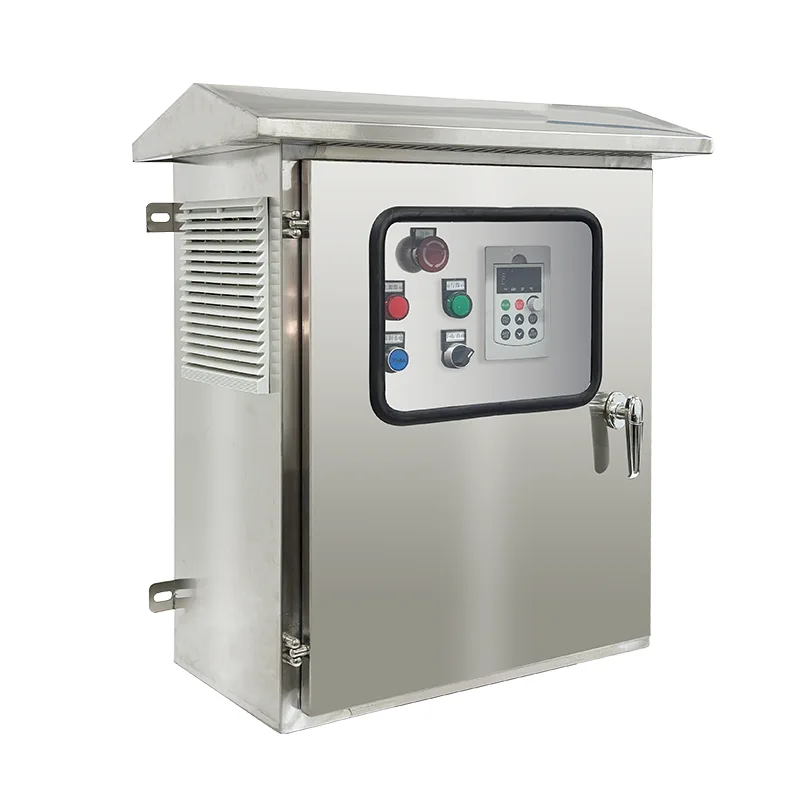
The controller enclosure is fabricated from heavy-gauge steel with fire pump red powder coating. Minimum rating per NFPA 20 §10.3.3.1 is NEMA Type 2 (IEC IP31) drip-proof, suitable for indoor pump rooms. For pump rooms subject to water spray from pump seal leakage or fire sprinkler discharge, NEMA Type 3R (IP51) or NEMA Type 4 (IP65) waterproof enclosures are specified. For outdoor installations or corrosive environments, NEMA Type 4X stainless steel enclosures are available. The enclosure is floor-mounted as standard, with wall-mount configurations available for jockey pump controllers.

Integral Automatic Transfer Switch

An optional factory-integrated automatic transfer switch provides dual-source power for the fire pump. The ATS connects to both the normal utility supply (Source 1) and the standby generator supply (Source 2). Upon loss of normal power, or when voltage or frequency falls outside preset thresholds, the ATS automatically initiates generator start and transfers the fire pump load to the emergency source. When normal power is restored, the ATS retransfers to the normal source and initiates generator cooldown and shutdown. The transfer switch mechanism is mechanically interlocked to prevent both sources connecting simultaneously. All ATS status and alarms are displayed on the shared operator interface and transmitted via relay outputs.

Weekly Test and Data Logging

The built-in weekly test timer automatically starts the fire pump on a user-programmed day, time, and run duration — eliminating reliance on manual testing for NFPA 25 compliance. The event and data logger records system pressure over time, together with all start events, alarm occurrences, and mode changes, with a time stamp. Data can be downloaded to a PC via RS232, RS485, or USB for analysis and reporting to authorities having jurisdiction. This paperless pressure recording eliminates the maintenance and reliability issues associated with mechanical chart recorders.

Factory Testing and Certification

Each Control Cabinet undergoes a full factory acceptance test before shipment: insulation resistance, wiring point-to-point verification, functional testing of the automatic starting sequence (pressure transducer and switch inputs), all alarm and annunciation circuits, manual and test modes, weekly test timer, and, where fitted, the automatic transfer switch. The controller is UL listed to UL 218, FM Approved to Class 1321/1323, CSA certified where specified, and CE marked. A comprehensive documentation package is supplied with each unit.


Frequently Asked Questions

Q1: What standards does this Industrial Control Cabinet comply with?

The controller is designed and listed to UL 218 (Standard for Industrial Control Cabinet), FM Approved to Class 1321/1323, and complies with the latest edition of NFPA 20. CE marking and CSA certification are available depending on the target market. Each controller is factory-assembled, wired, and tested as a complete unit prior to shipment, as required by NFPA 20.


Q2: What types of fire pumps can this controller manage?

The controller is available in two main configurations: electric motor-driven controllers for squirrel-cage induction motors from 5 HP to 400 HP across 208–600 V three-phase, and diesel engine-driven controllers with integral dual battery chargers and engine monitoring circuits. Electric controllers support full-voltage, wye-delta (open and closed transition), autotransformer, primary resistor, part-winding, and soft-start starting methods.


Q3: How does the automatic starting sequence work?

The controller continuously monitors system pressure via a pressure transducer. When pressure drops below the field-adjustable cut-in threshold, the controller initiates the start sequence. An adjustable run timer prevents short cycling. The pump continues to run until all starting causes have cleared and a manual or automatic stop is initiated. In the case of diesel controllers, the controller cranks from Battery 1, and if the engine fails to start, alternates to Battery 2 for successive attempts.


Q4: Can the controller start from signals other than a pressure drop?

Yes. Remote manual start from a pushbutton or fire alarm panel, deluge valve start from dry-pipe or pre-action valve actuation, and a weekly test timer are all standard start inputs. Each input can be configured with its own run duration and priority level. In multi-pump installations, a sequential start timer staggers pump starts to avoid simultaneous motor inrush.


Q5: What alarms are provided, and how are they communicated externally?

Standard visual and audible alarms cover: Power On, System Fault, Phase Failure, Phase Reversal, Pump Running, Pump Failed to Start, Motor Overload, Low Pressure, Motor Lockout, Local Start, Remote Start, and Deluge Start. Each alarm has a corresponding volt-free relay output for connection to the building fire alarm system or BMS. An audible alarm horn is mounted on the enclosure door.


Q6: What is the minimum enclosure rating required, and what ratings are available?

Per NFPA 20, the minimum enclosure rating is NEMA Type 2 (IEC IP31) drip-proof. This is standard. For pump rooms subject to water spray or located outdoors, NEMA Type 3R (IP51), Type 4 (IP65), and Type 4X (IP66, stainless steel) enclosures are available as options.


Q7: Is an automatic transfer switch included?

An integral automatic transfer switch is optionally available, factory-integrated into the controller enclosure. It automatically transfers to a standby generator supply upon loss of normal power and retransfers upon restoration. The ATS shares the controller's operator interface and alarm relay outputs. Alternatively, the controller can be supplied without an ATS if the transfer switch is installed separately upstream.


Q8: How is the weekly test function configured?

The built-in weekly test timer allows programming of the test day, time, and run duration. Once scheduled, the controller automatically starts the pump at the programmed time, runs it for the set duration, and then stops. The test can be configured to occur weekly, bi-weekly, or monthly. All test runs are recorded in the event log with date, time, and duration.


Q9: What is the short-circuit withstand rating?

The controller has a short-circuit withstand rating of 100,000 A RMS symmetrical at 480 V (25,000 A at 600 V). This high withstand rating ensures the controller can safely manage fault conditions on the supply without structural or electrical damage, which is critical for a life-safety device that must remain operational during a fire event.

A Major Airport Terminal Expansion

Background

A large international airport in the Middle East undertook a major terminal expansion project, adding new concourses, retail zones, and baggage handling facilities. The fire protection design specified a dedicated fire pump house with three electric motor-driven fire pumps (duty, assist, standby) and a jockey pump, supplying automatic sprinkler and standpipe systems across the new terminal footprint. Compliance with NFPA 20, UL listing, and FM approval was mandatory.

The Challenge

The airport fire safety authority imposed strict conditions on the pump control system. All controllers had to be UL listed and FM Approved, with no exceptions for locally fabricated alternatives. The sequential starting logic had to prevent simultaneous motor inrush on the airport's medium-voltage distribution, which could compromise other critical loads. The controllers needed to communicate pump status, pressure data, and alarm conditions to both the terminal fire alarm panel and the airport's centralised building management system. Additionally, the pump room was to be located outdoors in a sun-exposed, high-humidity environment where daytime ambient temperatures could approach 55°C.

Why Choose Industrial Control Cabinet?

The factory-assembled, UL-listed controller was the only compliant solution. Key technical reasons:

●  The controllers were configured with wye-delta closed-transition starting to minimise inrush current while preventing voltage dips on the airport's sensitive power network.

●  The sequential start timer for Pump 2 and Pump 3 was set to 10-second and 20-second delays respectively, ensuring no two motors drew starting current simultaneously.

●  The integral pressure transducer with paperless data logging eliminated the mechanical chart recorder, which the fire authority identified as a common failure point in previous airport installations.

●  NEMA 4 (IP65) weatherproof enclosures with sunshade canopies and internal anti-condensation heaters were specified for the outdoor pump house, with stainless steel hardware throughout.

●  Volt-free alarm relay outputs were wired to the terminal fire alarm panel and the BMS, while RS485 Modbus provided detailed diagnostic data to the airport's maintenance management system.

●  The factory-integrated Automatic Transfer Switch in each controller ensured that upon loss of normal utility power, the standby generator would start and supply the fire pumps automatically, without reliance on any external transfer equipment.

Deployment

Three electric motor-driven Industrial Control Cabinet (150 HP, wye-delta closed transition, NEMA 4 enclosures with integral ATS) and one jockey pump controller were manufactured, factory-tested, and shipped as complete assemblies. On-site commissioning involved connecting the incoming utility and generator supplies, motor cables, pressure transducer, and alarm relay outputs. The entire commissioning was completed in five days per controller. Factory FAT documentation was submitted to the airport fire authority and accepted without revision.


Results

●  All controllers passed the airport fire authority's acceptance testing on first presentation, including simulated power failure and generator transfer tests.

●  The wye-delta closed-transition starting eliminated voltage dip complaints from the airport electrical operations team.

●  The paperless pressure recording and event logging system allowed the fire authority to verify system readiness during quarterly inspections without any manual chart replacement.

●  In the first year of operation, the weekly test timer consistently exercised the pumps as scheduled, with two minor pump seal leak issues identified early through the test run data logging — preventing degradation to a failure that would have been discovered only during an emergency.

●  The airport authority has since included the same controller specification in its standard design guidelines for all future terminal and ancillary building projects at the airport.

Industrial Control CabinetIndustrial Control Cabinet

Hot Tags: Industrial Control Cabinet
Send Inquiry
Contact Info

If you have any enquiry about quotation or cooperation, please feel free to email us at sanchia@csivei.com or use the following inquiry form.Our sales representative will contact you within 24 hours. Thank you for your interest in our products.


WhatsApp:8615705777705

Web:www.csiveivfd.com


X
We use cookies to offer you a better browsing experience, analyze site traffic and personalize content. By using this site, you agree to our use of cookies.Privacy Policy
RejectAccept