Products
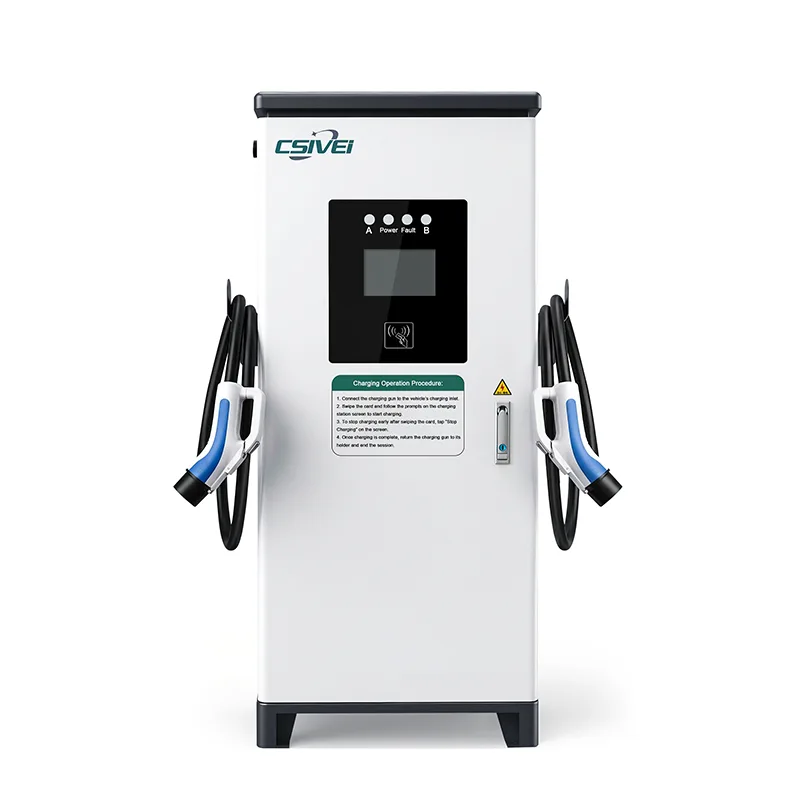
EV Charger Power Distribution Cabinet
  • EV Charger Power Distribution CabinetEV Charger Power Distribution Cabinet
  • EV Charger Power Distribution CabinetEV Charger Power Distribution Cabinet

EV Charger Power Distribution Cabinet

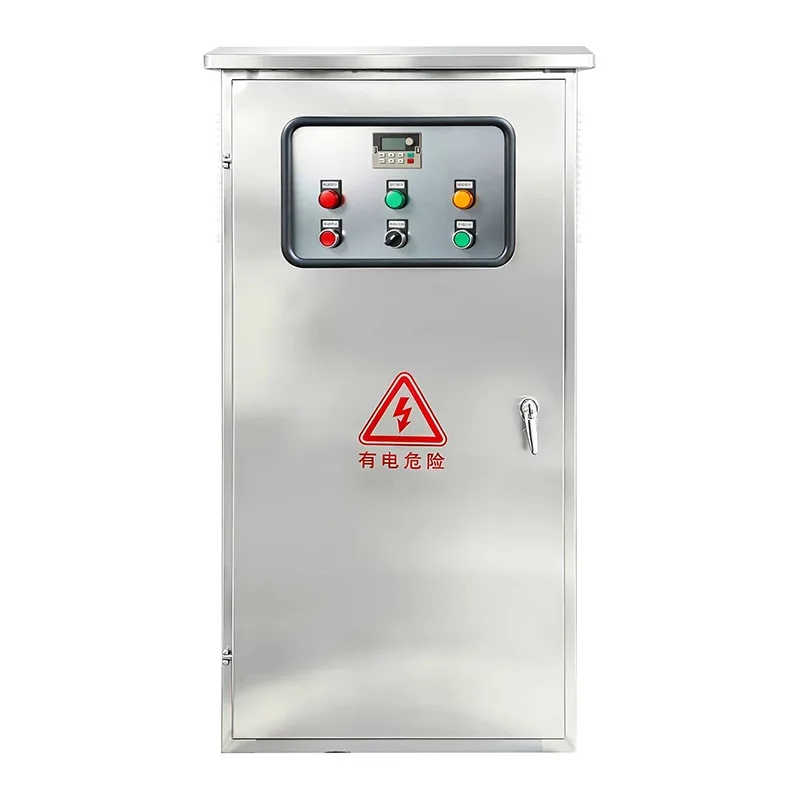
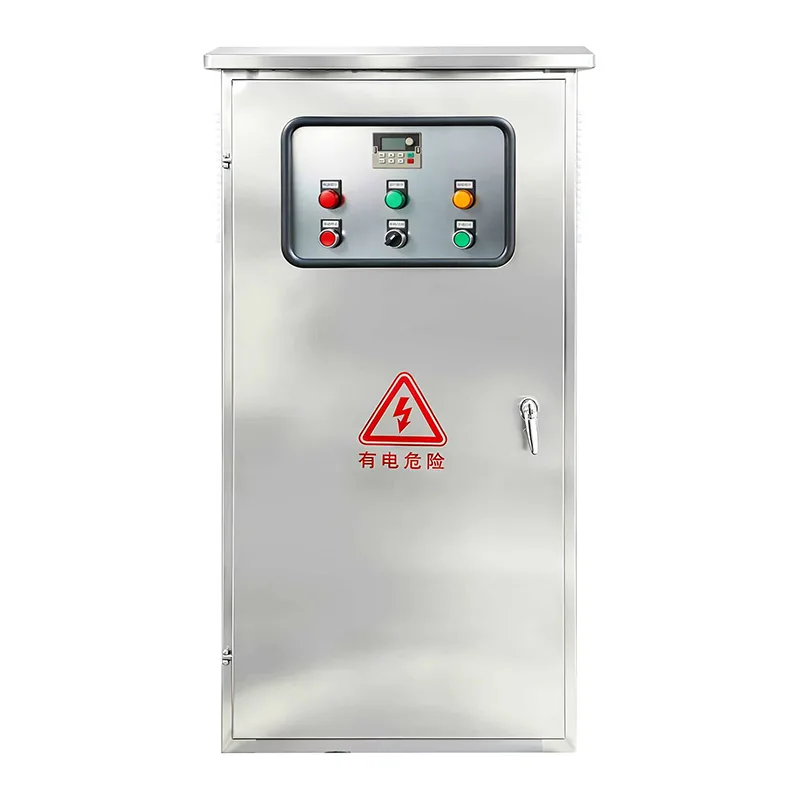
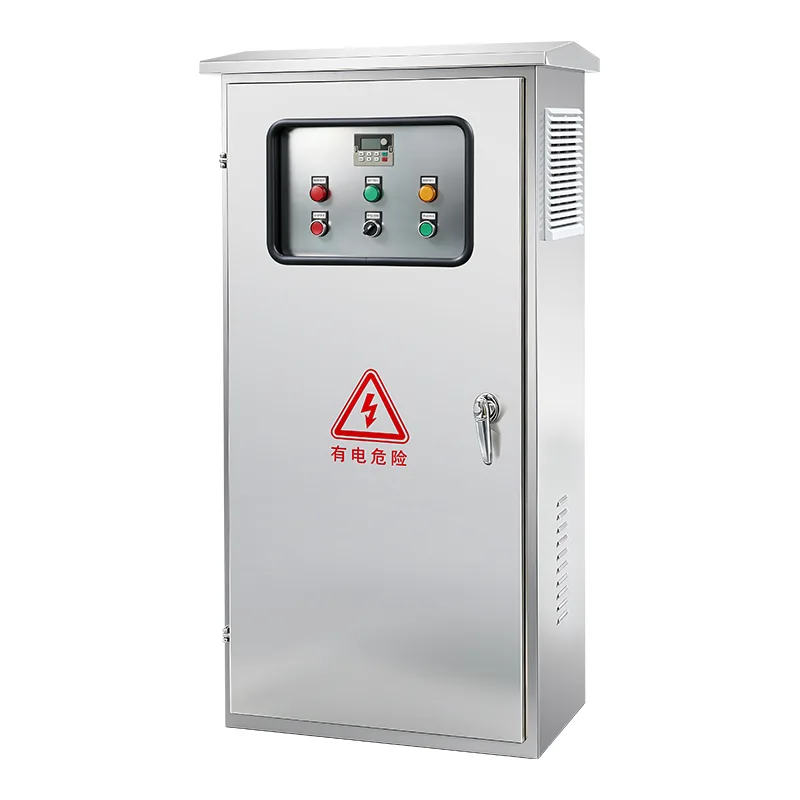
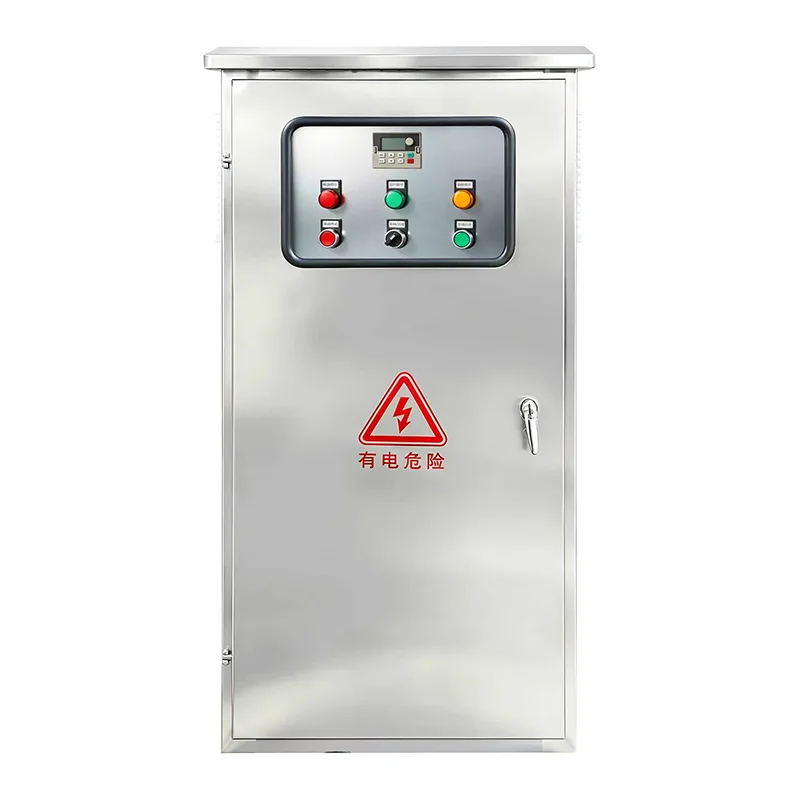
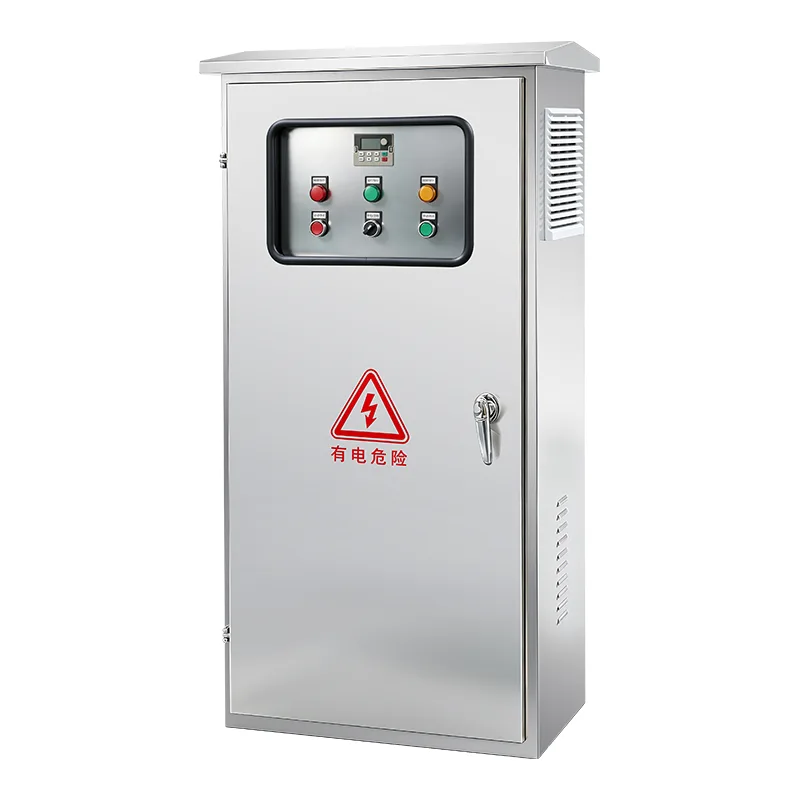
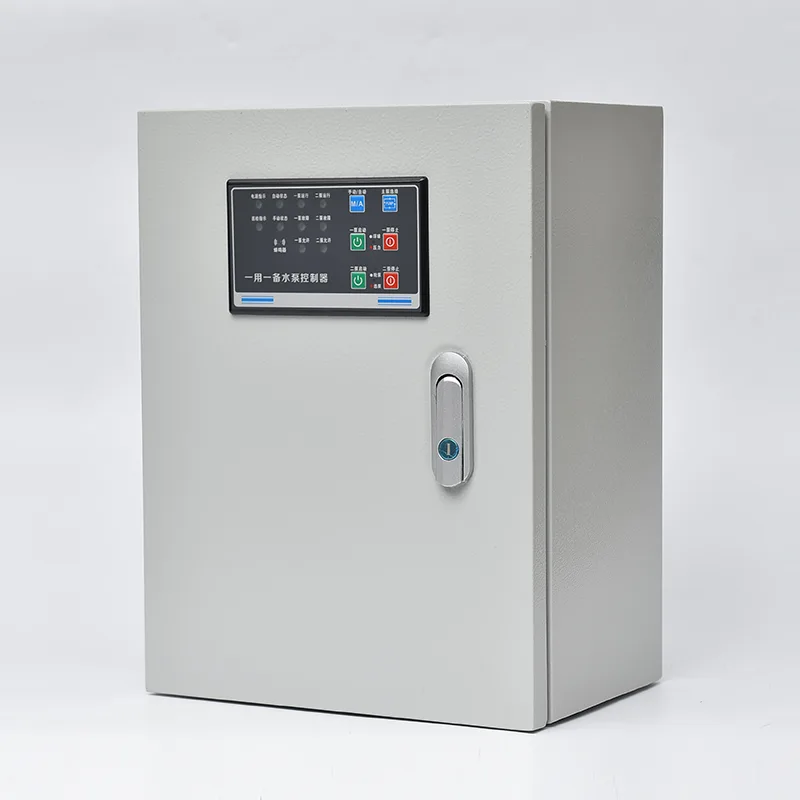
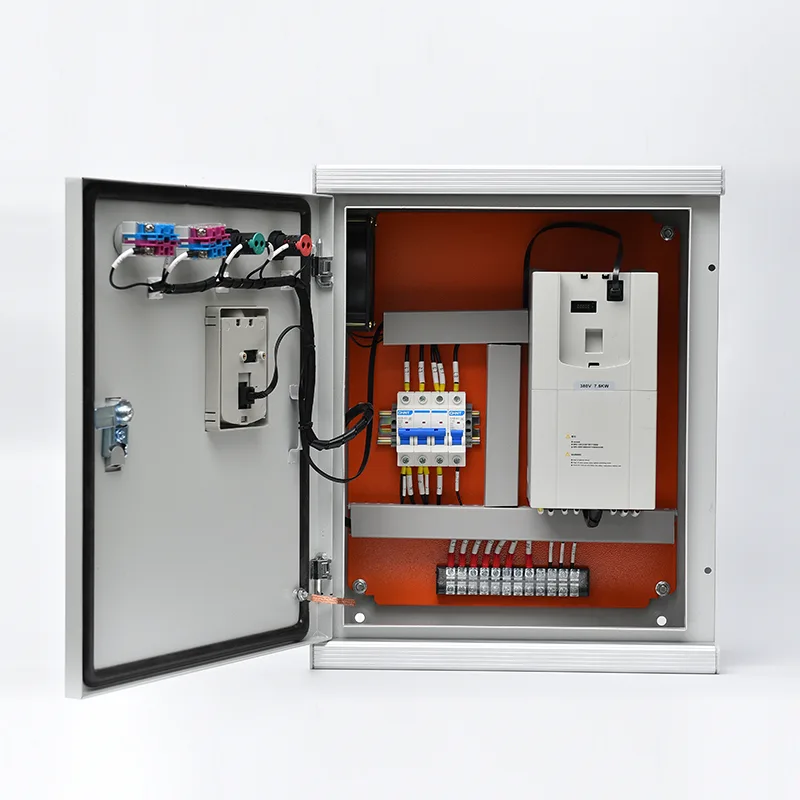
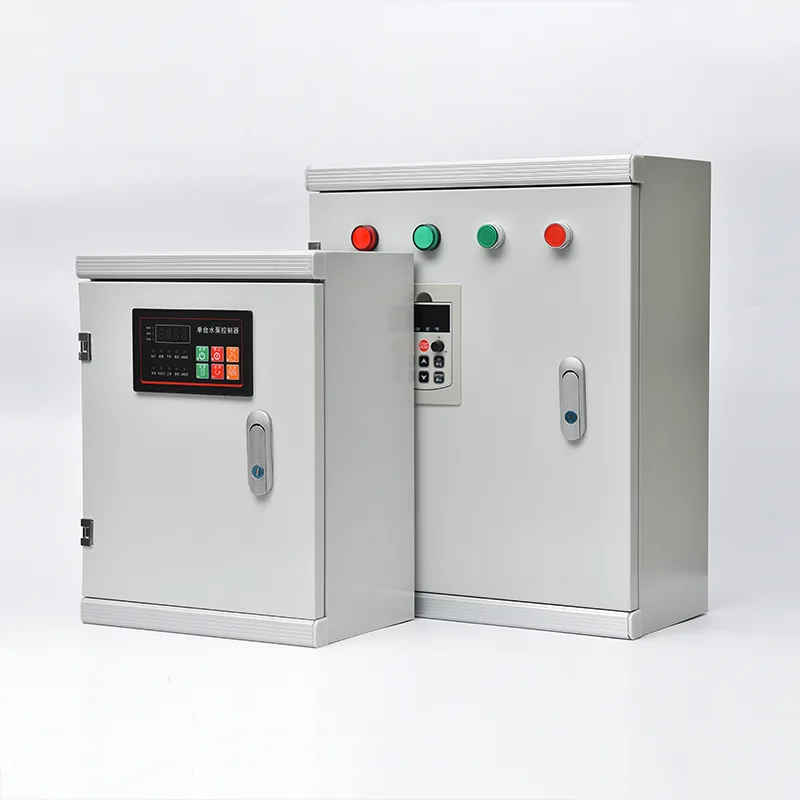
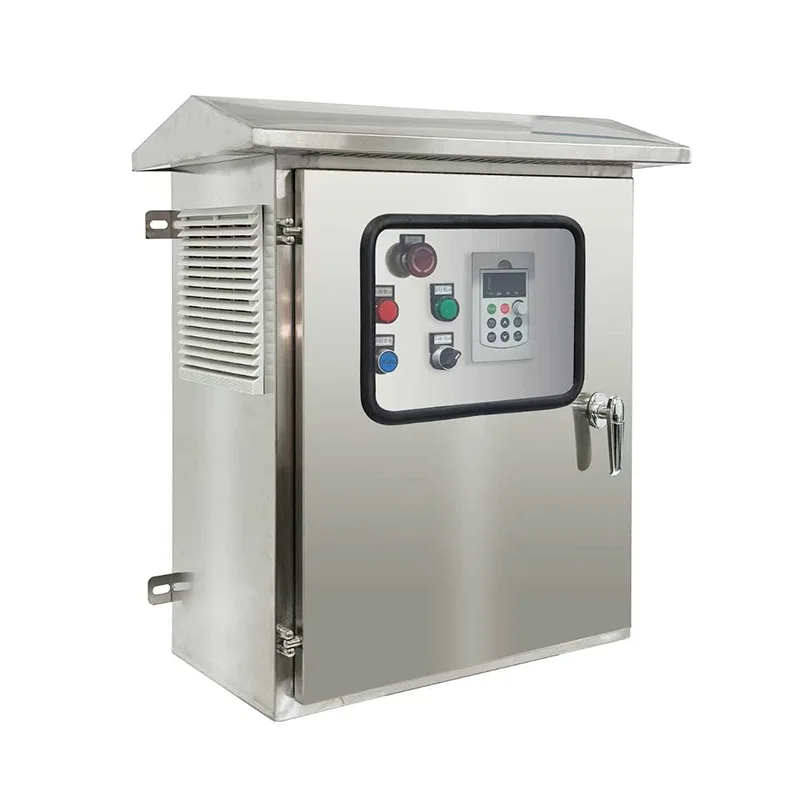
As a dedicated electrical distribution equipment manufacturer and supplier from China, our factory delivers the EV Charger Power Distribution Cabinet — a purpose-engineered low-voltage power distribution enclosure that centrally manages incoming grid supply and distributes protected, metered power to multiple EV chargers across a charging station or fleet depot. Designed to simplify site electrical infrastructure, it integrates the main incoming circuit breaker, multi-feeder outgoing distribution, energy metering, surge protection, and optional load management intelligence into a single pre-tested, site-ready cabinet. Backed by in-house R&D and certified production, our company provides a turnkey power distribution solution that accelerates EV charger deployment while maintaining full electrical safety compliance.

Available in flexible configurations to suit any charging site layout, Csivei factory's quality EV Charger Power Distribution Cabinet accepts a single incoming AC supply — typically 400V three-phase with current ratings from 100A to 1600A and above — and distributes it to multiple outgoing charger circuits. Each outgoing feeder is individually protected by a moulded-case circuit breaker or fused disconnector, with dedicated residual current protection where required. A centralised energy metering compartment accommodates revenue-grade meters, enabling per-circuit or per-charger billing in compliance with local utility requirements. Type 1+2 surge protection on the main bus safeguards the entire site against lightning-induced transient overvoltages. The cabinet enclosure, rated IP54 to IP65 depending on deployment environment, is fabricated from galvanised steel with weatherproof powder coating. An optional smart energy management controller provides load balancing, phase rotation, charger scheduling, and real-time monitoring via RS485 Modbus or Ethernet, integrating seamlessly into OCPP-based charging management platforms. Full compliance with IEC 61439-1, IEC 60364-7-722, and applicable regional standards is maintained.


Product Applications

Serving as the electrical backbone of any modern EV charging installation, the EV Charger Power Distribution Cabinet consolidates site power management into a single, factory-engineered enclosure — reducing on-site electrical works, accelerating commissioning, and enhancing operational safety.

Public Fast-Charging Stations

Motorway service areas, urban charging plazas, and petrol station forecourts deploying multiple DC fast chargers require robust, high-capacity power distribution. The cabinet receives the main utility supply and distributes protected, individually metered feeds to each charger. The centralised metering compartment supports utility-grade billing for each bay, while the integrated surge protection defends expensive fast-charger power electronics from grid transients.

Fleet & Logistics Charging Depots

Electric bus depots, last-mile delivery hubs, and municipal fleet yards run multiple chargers simultaneously during overnight charging windows. The distribution cabinet centralises incoming power and load management, allowing the depot operator to balance demand across chargers, prevent main breaker trips, and schedule charging to off-peak tariff periods. The cabinet's generous feeder capacity accommodates future fleet expansion without major electrical rework.

Commercial & Workplace Charging Installations

Office towers, shopping centres, and business parks providing employee or customer EV charging typically deploy dozens of AC chargers across multiple parking levels. A central distribution cabinet per floor or zone accepts a sub-main feed and distributes power to individual wall-mounted chargers. Per-circuit metering enables accurate energy cost allocation to tenant companies or department budgets.

Residential Apartment & Condominium Parking

Multi-storey residential developments retrofitting EV charging across tens or hundreds of parking bays benefit from a distribution cabinet approach. One or more cabinets located in electrical riser rooms or parking-level switchrooms receive the building's EV-dedicated supply and distribute protected, metered feeds to individual chargers at resident bays. Load management within the cabinet prevents EV charging from exceeding the building's allocated electrical capacity.

Highway & Remote Rest Areas

Standalone charging sites away from urban infrastructure often lack existing LV distribution boards suitable for EV charger loads. A dedicated power distribution cabinet deployed adjacent to the transformer or genset provides a complete, pre-configured LV distribution point — eliminating the need for custom switchboard fabrication on site and significantly reducing commissioning time.

Mixed-Use Developments & Mega-Projects

Large-scale developments combining residential, commercial, retail, and public parking can deploy multiple distribution cabinets in a tiered architecture. A main incoming cabinet at the substation feeds sub-distribution cabinets in each parking zone, creating a structured, scalable power distribution topology that matches phased construction and growing EV uptake.


Technical Deep Dive

The EV Charger Power Distribution Cabinet is engineered as a fully integrated, factory-assembled LV switchboard specifically designed for the unique electrical demands of EV charging infrastructure.

Incoming Supply and Main Protection

The cabinet's incoming section accepts single or dual utility supply cables terminated on a main circuit breaker or air circuit breaker rated to match the site's maximum demand. ACBs with microprocessor-based protection offer adjustable thresholds for overload, short-circuit, and earth-fault protection, with arc-flash mitigation features where required. Incoming surge protection — Type 1 SPDs capable of handling impulse currents up to 25kA (10/350μs) — provides the first line of defence against direct lightning strikes on upstream infrastructure.

Outgoing Feeder Distribution

Multiple outgoing charger circuits are protected by individual moulded-case circuit breakers or fused disconnectors, each rated for the connected charger's maximum input current. Feeders are arranged for balanced phase distribution across the three-phase busbar system, minimising neutral current and improving overall power quality. For DC fast-charger feeds, MCCBs with adjustable magnetic trip settings accommodate the charger's inrush characteristics without nuisance tripping. Residual current protection — Type B or Type A with 6mA DC detection — is provided on relevant circuits in accordance with IEC 60364-7-722.

Integrated Metering Architecture

A dedicated metering compartment houses revenue-grade energy meters for each outgoing circuit or groups of circuits, depending on billing requirements. Meters communicate via Modbus RTU or TCP/IP to a centralised data concentrator, which transmits consolidated data to the charging management platform or utility billing system. MID or equivalent certified meters are available for markets requiring regulatory revenue metering.

Load Management and Smart Control

An optional embedded load management controller monitors real-time consumption on the main incomer and each outgoing feeder. When total site demand approaches the configured maximum, the controller dynamically allocates available capacity among connected chargers — reducing output on lower-priority bays, deferring scheduled sessions, or engaging phase rotation to maintain service while preventing main breaker overload. Communication with individual chargers is via OCPP or direct Modbus, and the controller can respond to external signals such as time-of-day tariff rates, solar generation availability, or building energy management system commands.

Busbar System and Internal Wiring

The main busbar system is fabricated from tin-plated copper or aluminium, dimensioned for rated current with appropriate derating for internal enclosure temperature rise. Busbar supports are glass-fibre reinforced polymer rated for short-circuit withstand. Internal wiring uses flame-retardant, low-smoke-zero-halogen cable, with all control and metering circuits segregated from the power path. Cable entry is via removable gland plates in the cabinet base, sized for the specified incoming and outgoing cable cross-sections.

Enclosure, Environmental Protection, and Cooling

The floor-standing cabinet is constructed from 1.5mm to 2.0mm galvanised steel sheet, with fully welded seams and a UV-stabilised powder-coated finish. Standard protection rating is IP54, with IP65 available for outdoor or high-dust environments. The enclosure features a hinged, gasketed front door with lockable handle and optional viewing window over metering instruments. Passive ventilation is provided by filtered louvres or breather drains, with natural convection aided by calculated air paths. For cabinets with high continuous load density, thermostatically controlled forced-air ventilation is integrated, with alarm contacts for fan failure. Internal anti-condensation heaters are available for cold or high-humidity installations.

Safety and Compliance

The cabinet is designed and tested to IEC 61439-1 and IEC 61439-2 for low-voltage switchgear and controlgear assemblies, with specific compliance to IEC 60364-7-722 for EV supply equipment. Internal arc fault containment, finger-safe component shielding, and a main incoming isolator operable without opening the cabinet door are standard. Earth continuity across all sections is ensured via a dedicated protective earth busbar bonded to the enclosure. All components carry CE marking, with UL and other regional certifications available.


FAQ

Q1: How many chargers can one distribution cabinet support?

The number of outgoing feeders is fully configurable. A single cabinet can typically support 4 to 24 charger circuits, depending on the current rating of each charger and the total incoming supply capacity. For larger sites, multiple cabinets can be cascaded in a main-and-sub-distribution topology.


Q2: Do I need a separate meter for each charger circuit?

This depends on your billing requirements. For public charging where each bay must be independently billed, per-circuit metering is recommended. For fleet depots or workplace charging where total energy consumption is allocated internally, group metering may suffice. The cabinet can be configured for either approach.


Q3: What incoming supply voltage and current ratings are available?

Standard configurations accept 230/400V three-phase, 50/60Hz, with incoming current ratings from 100A to 1600A. Higher ratings are available on request. For larger installations, a dedicated transformer may feed the cabinet directly.


Q4: Can the cabinet be installed outdoors next to the chargers?

Yes. The cabinet is available in IP55 or IP65 ratings for outdoor installation. A sunshade canopy and anti-condensation heater are recommended for extended outdoor service in hot, humid, or cold climates. The cabinet can be mounted on a concrete plinth or pad, with bottom cable entry through sealed gland plates.


Q5: What is the load management controller and how does it work?

The optional smart controller monitors real-time consumption on all circuits. When total demand approaches the site's maximum allowable load, it dynamically reduces power on lower-priority chargers or rotates charging schedules to keep the main breaker from tripping. This allows more chargers to be connected to a given supply, reducing the required grid connection capacity and associated utility costs.


Q6: How does this cabinet integrate with a charging management system (CMS)?

The cabinet's metering and load management controller support Modbus RTU/TCP and can interface with OCPP-compliant charging management platforms. Meter data and alarm status are transmitted to the CMS, allowing operators to view site-wide power distribution in the same dashboard used for charger management.


Q7: Can the cabinet accommodate future charger additions?

Yes. The cabinet can be supplied with spare outgoing feeder positions, pre-installed busbar capacity, and space for additional metering modules. This allows new charger circuits to be added by connecting the charger cable and installing the feeder breaker, with no busbar modification required.


Q8: What regulatory standards does the cabinet comply with?

The cabinet is constructed and tested to IEC 61439-1/2, with specific EV installation requirements per IEC 60364-7-722. Regional certifications including CE, UKCA, and equivalent are available. We supply full documentation including single-line diagrams, test certificates, and installation manuals with every cabinet.


5.A Multi-Site Fuel Retailer — National EV Fast-Charging Rollout

Background

A national fuel retail chain operating over 200 petrol stations undertook an ambitious programme to install DC fast-charging hubs at high-traffic sites along major highways. Each site was to deploy four to eight dual-gun DC fast chargers, creating 8 to 16 charging bays. The rollout was to be delivered in phases, with the potential to double charging capacity at future dates.


The Challenge

Each site presented a consistent set of electrical infrastructure challenges. The existing LV distribution within the petrol station kiosk was not designed for the demands of DC fast chargers, which could collectively require 400A to 800A per site. Custom switchboard fabrication on site for every location would introduce significant engineering cost, inconsistent quality, and extended downtime during installation. The utility supply connection point was often located away from the ideal charger positions, requiring a structured approach to cable distribution.


The retailer also required centralised energy metering for each charging bay to support per-session customer billing, and demanded robust protection for the expensive fast-charger electronics. With petrol stations classified as hazardous areas, strict electrical safety and regulatory compliance were non-negotiable.


Why EV Charger Power Distribution Cabinets?

A standardised, factory-engineered power distribution cabinet was selected as the backbone for every site. Each cabinet was configured to match the site's power requirement and charger count — typically a 630A or 800A incoming supply with eight outgoing 125A to 160A feeder circuits.


The cabinet's integrated approach delivered immediate advantages:

●  One pre-tested enclosure replaced what would have been a custom-built switchboard, saving weeks of on-site electrical engineering per site.

●  Per-circuit revenue-grade metering within the cabinet's dedicated metering compartment provided utility-compliant billing data for every charging bay, integrated directly into the retailer's payment platform.

●  Type 1+2 surge protection on the main incoming supply and Type 2 SPDs on outgoing feeders provided layered defence for the charger electronics.

●  The main incoming isolator and individual feeder breakers allowed safe isolation for maintenance, with a lock-out facility for contractor safety.

●  The outdoor-rated IP65 enclosure with anti-condensation heater meant the cabinet could be positioned adjacent to the chargers, minimising outgoing cable runs.

●  Spare feeder positions were included at every site, allowing additional chargers to be connected in future phases without cabinet replacement or major electrical rework.


Deployment

Standardised 800A-rated EV Charger Power Distribution Cabinets with eight outgoing feeder circuits were deployed across the first 50 sites. Each cabinet included revenue-grade metering on all circuits, Type 1+2 surge protection, and an IP65 enclosure with anti-condensation heating. The cabinets were manufactured, tested, and shipped as complete assemblies, requiring only incoming supply connection and outgoing charger cabling on site. Commissioning time averaged under two days per site from delivery to energisation.


Results

●  Site commissioning time was reduced by approximately 60% compared to custom switchboard solutions, accelerating the national rollout programme.

●  The standardised cabinet design eliminated variation in electrical quality and safety compliance across the site portfolio.

●  After 18 months of operation, zero cabinet-related electrical failures were recorded, with surge protection confirmed to have operated at two sites during lightning events, protecting downstream charger electronics.

●  The spare feeder positions were activated across 15 sites in phase two of the rollout, with new charger circuits added in under a day — validating the future-proofing design strategy.

●  The fuel retailer has since adopted the same cabinet specification for an additional 50 sites, with their electrical engineering team citing the cabinet's integration with their centralised CMS platform as a key operational advantage.


EV Charger Power Distribution CabinetEV Charger Power Distribution Cabinet
Hot Tags: EV Charger Power Distribution Cabinet
Send Inquiry
Contact Info

If you have any enquiry about quotation or cooperation, please feel free to email us at sanchia@csivei.com or use the following inquiry form.Our sales representative will contact you within 24 hours. Thank you for your interest in our products.


WhatsApp:8615705777705

Web:www.csiveivfd.com


X
We use cookies to offer you a better browsing experience, analyze site traffic and personalize content. By using this site, you agree to our use of cookies.Privacy Policy
RejectAccept