
News

What Makes a Solar Pumping Inverter Cabinet Reliable for Demanding Water Systems?

2026-09-16 0 Leave me a message

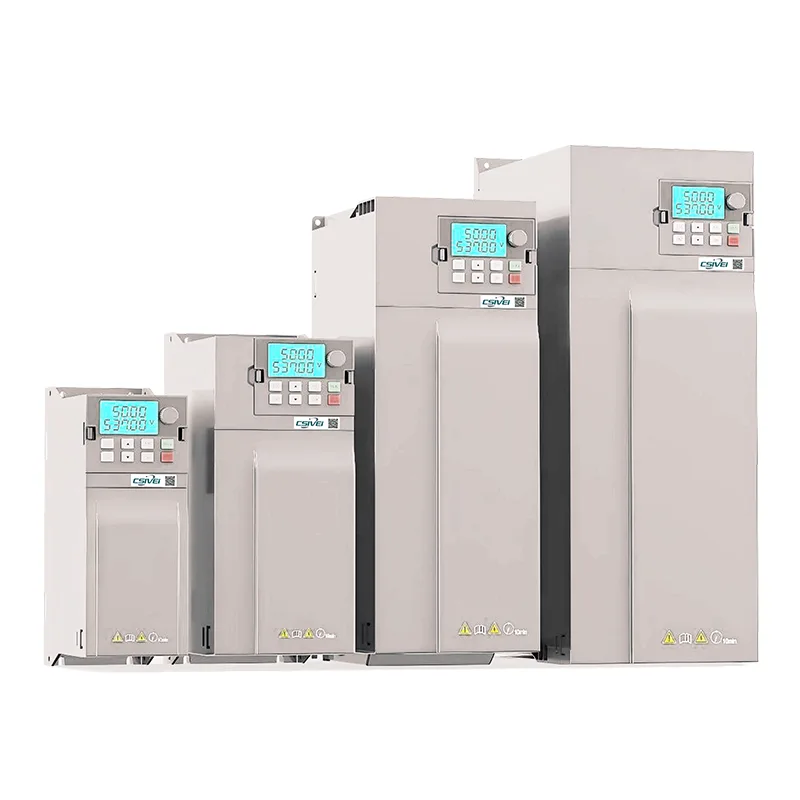
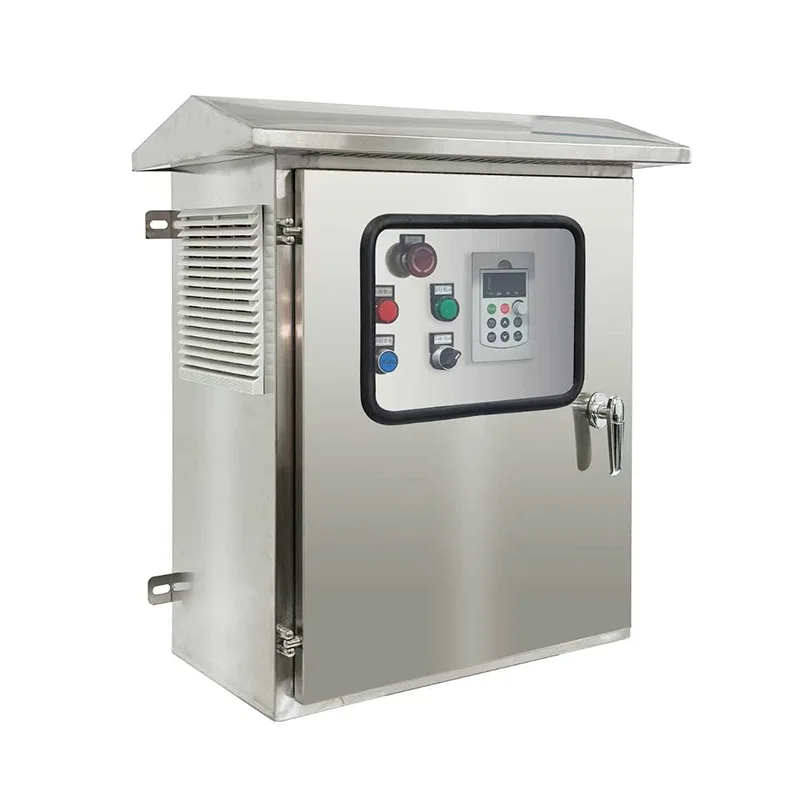
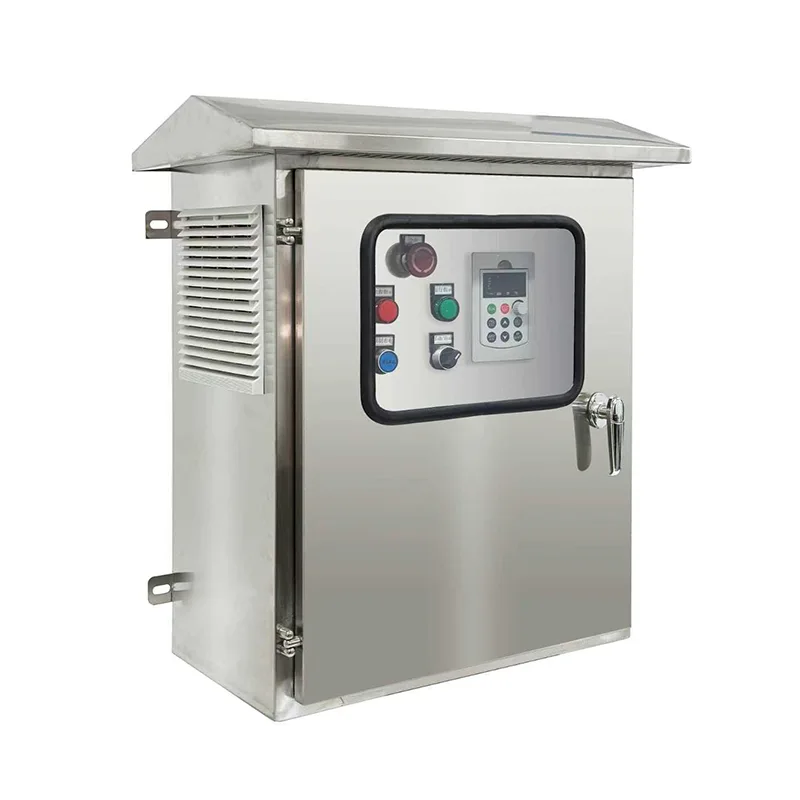
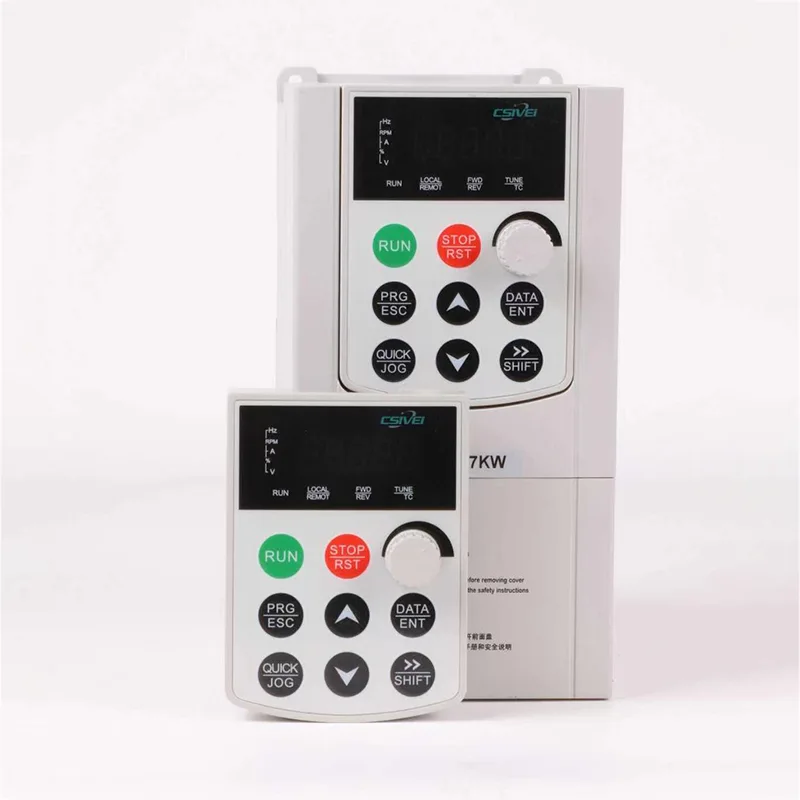
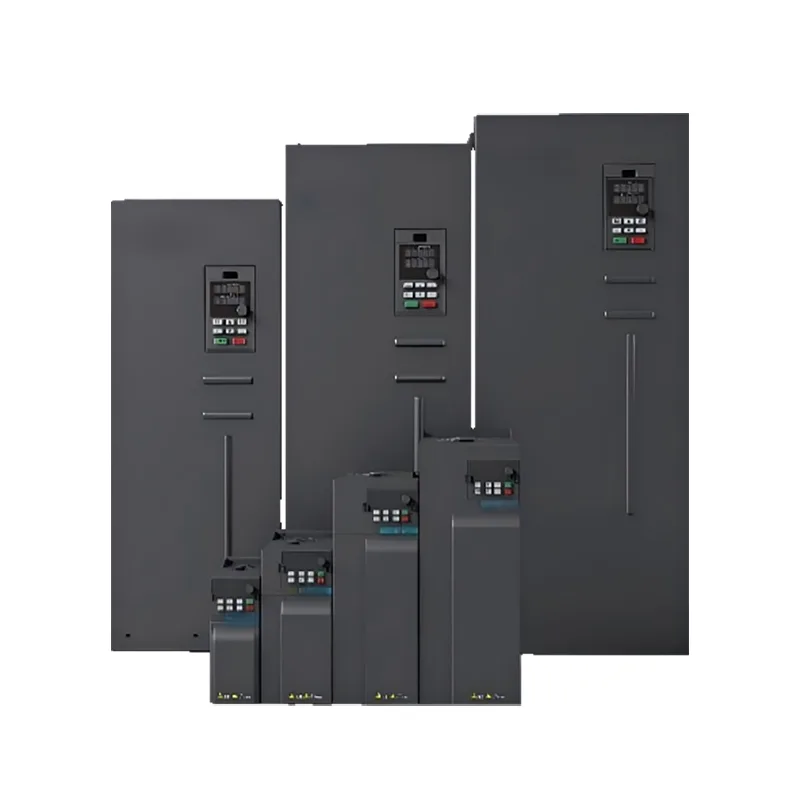
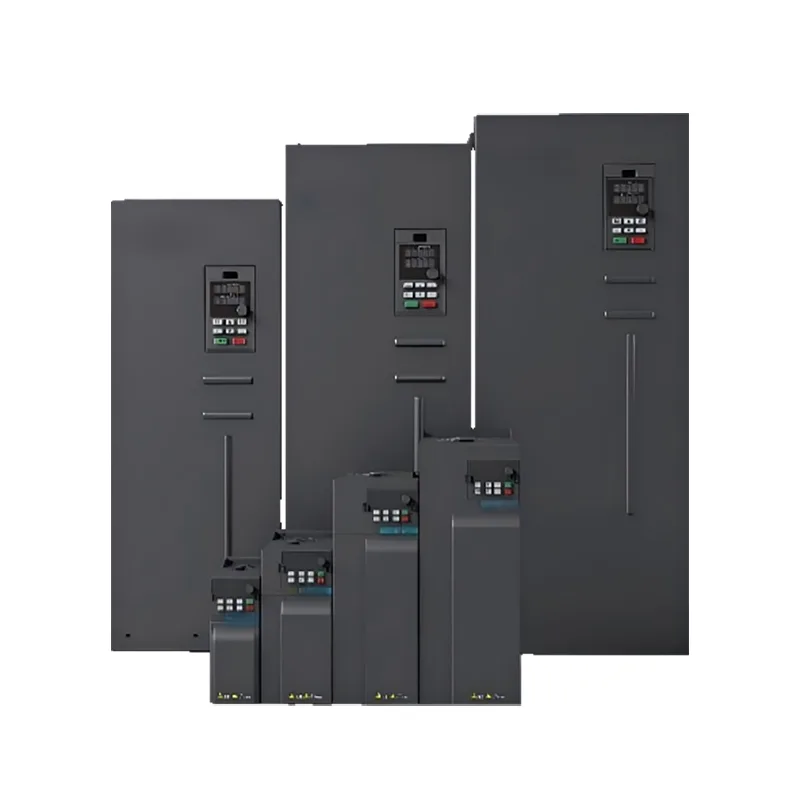
A solar pumping inverter cabinet is more than an enclosure for an inverter. It is an integrated electrical control point that can combine the solar pump inverter, DC isolation, circuit protection, surge protection, terminals, control devices, communication interfaces, and environmental protection. A properly engineered cabinet helps convert variable photovoltaic power into controlled motor operation while reducing risks caused by voltage fluctuations, lightning, dust, rain, overheating, dry running, and wiring errors. For project buyers, the right solution depends on pump power, motor type, PV voltage, water demand, installation environment, enclosure protection, backup-power requirements, and monitoring needs. This guide explains the major design considerations and practical questions to address before specifying a solar pumping inverter cabinet.

solar pumping inverter cabinet

Table of Contents

  1. Article Outline
  2. Understanding the Solar Pumping Inverter Cabinet
  3. How the Cabinet Works in a Solar Pumping System
  4. Core Components Inside the Cabinet
  5. Why MPPT Matters for Solar Pumping
  6. Protection Features That Matter in the Field
  7. Outdoor Enclosure and Thermal Design
  8. How to Specify the Right Cabinet
  9. Applications and Project Requirements
  10. Installation and Commissioning Checklist
  11. Maintenance and Long-Term Reliability
  12. Common Project Mistakes to Avoid
  13. Zhejiang Csivei Automation, Ltd. for Project-Oriented Solutions
  14. Frequently Asked Questions
  15. Project Support

Article Outline

This article moves from system fundamentals to practical purchasing and engineering considerations. It first explains the cabinet's role, then examines its electrical architecture, MPPT operation, protection functions, enclosure design, project selection, installation, maintenance, and common mistakes. The final sections address application requirements and questions that buyers frequently need answered before placing an order.


Understanding the Solar Pumping Inverter Cabinet

A solar pumping inverter cabinet is an integrated electrical enclosure designed to manage the power and control requirements of a solar-powered water pump. In an AC pumping system, photovoltaic modules produce DC electricity, while the pump motor normally requires controlled AC power. The inverter therefore performs the essential conversion and motor-control function.

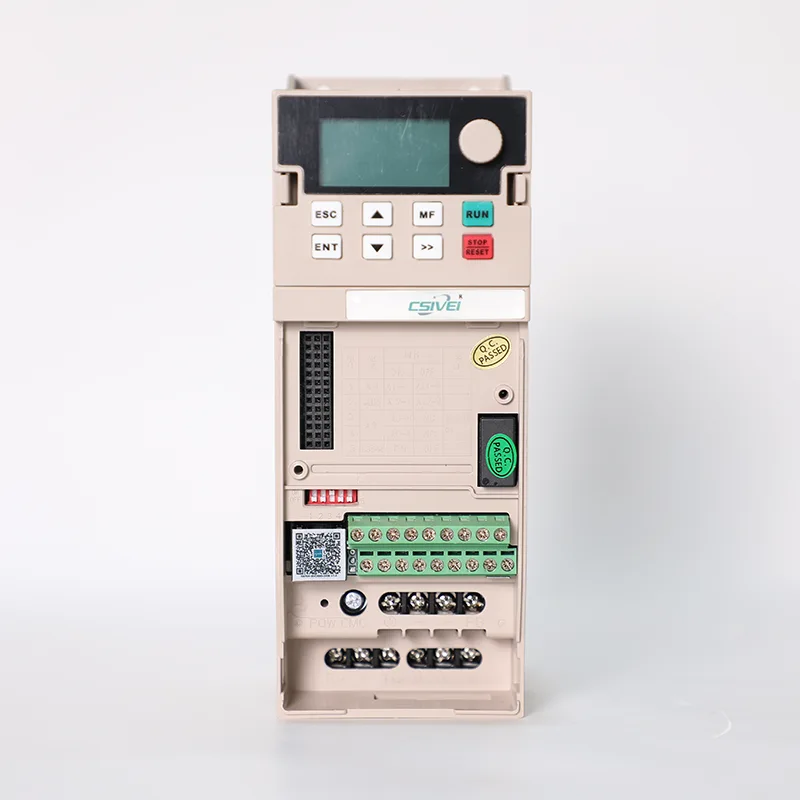
The cabinet provides the physical and electrical framework around that inverter. Depending on the project, it may contain DC breakers or disconnectors, AC protection, surge protection devices, contactors, terminal blocks, monitoring equipment, cooling components, control switches, sensors, and communication interfaces.

This integrated approach is particularly useful for outdoor pumping stations where individual components would otherwise need to be assembled and wired on site. Industry guidance commonly emphasizes MPPT, suitable outdoor ingress protection, and protection against dry running, lightning, short circuits, and reverse polarity. 

Key point: The cabinet should be specified as part of the complete pumping system rather than treated as an isolated metal box. Pump characteristics, PV voltage, motor current, site conditions, sensors, and operating requirements all influence the final configuration.

How the Cabinet Works in a Solar Pumping System

The basic energy path begins with the photovoltaic array. Solar modules generate DC power whose voltage and current change according to solar irradiance, temperature, array configuration, and operating conditions. The cabinet receives this electrical input and routes it through the appropriate protection and control equipment to the solar pump inverter.

The inverter tracks an appropriate operating point of the PV array and converts the available DC power into controlled electrical output for the pump motor. Motor speed can then be adjusted according to available solar energy and system requirements. This is particularly valuable because solar radiation does not remain constant throughout the day.

System Stage Main Function Typical Concern
PV array Generates DC electricity Variable voltage and current
DC protection Isolation and fault protection DC arcing and surge events
Solar inverter MPPT and motor control Voltage, current, heat, overload
AC output Supplies controlled motor power Motor compatibility and cable losses
Pump Moves water to the required location Head, flow, dry running and mechanical load

Core Components Inside the Cabinet

Solar Pump Inverter

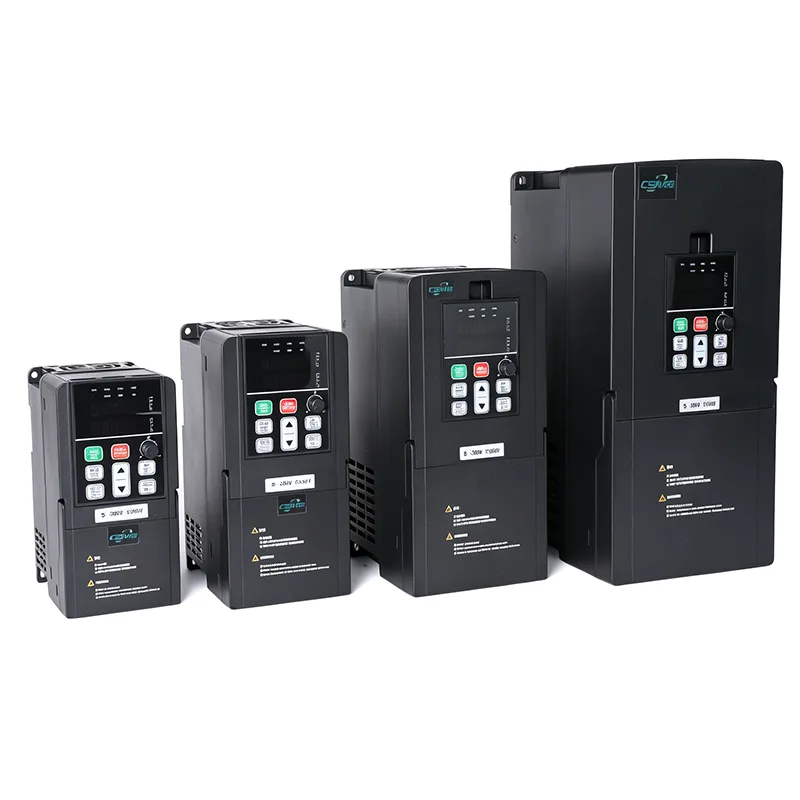
The inverter is the central control device. A suitable unit should match the pump motor's rated voltage, current, power, phase configuration, and starting characteristics. Solar pumping models may also provide dedicated functions such as MPPT, automatic wake-up, dry-run protection, low-power operation, and water-level control.

DC Isolation and Protection

DC protection allows the PV side to be isolated during maintenance and helps manage electrical faults. The device must be suitable for the actual DC voltage and current of the PV array rather than simply selected according to the pump's AC rating.

Surge Protection

Outdoor solar pumping installations can be exposed to lightning-induced transients and other voltage disturbances. Surge protection is therefore an important part of a complete design. Published technical specifications for solar pumping systems commonly include protection against lightning-induced transients and related electrical faults. 

AC Protection and Switching

Depending on the system architecture, the cabinet may include output breakers, contactors, motor protection, emergency stop functions, or AC input protection for hybrid systems. These devices should be coordinated with the inverter and motor rather than selected independently.

Terminals, Sensors, and Communication

Water-level sensors, pressure switches, float switches, flow-related signals, RS485 interfaces, and remote communication modules can make the pumping system more responsive and easier to supervise. Some commercial solar pumping solutions support communication protocols such as RS485/Modbus for remote monitoring.


Why MPPT Matters for Solar Pumping

Maximum Power Point Tracking, commonly known as MPPT, is one of the most important functions in a solar pumping inverter. A PV array does not produce one fixed combination of voltage and current under every condition. Its optimum operating point changes with sunlight and temperature.

An MPPT-enabled inverter continuously seeks a suitable operating point so that the available solar energy can be used more effectively. In water pumping, this matters because the objective is not simply to produce electricity; the electricity must ultimately be converted into useful water flow and lifting performance.

Technical guidance for photovoltaic pumping systems specifically identifies MPPT as a mechanism for maximizing power transferred from the solar array. 

Morning

Lower solar input requires controlled startup and efficient use of available power.

Midday

Higher irradiance can allow the pump to operate at a higher controlled output.

Cloudy Periods

The inverter can respond to reduced available PV power rather than operating as if power were constant.


Protection Features That Matter in the Field

Water pumping systems are frequently installed far from controlled indoor electrical rooms. Agricultural fields, wells, livestock areas, remote communities, and industrial water stations can expose electrical equipment to dust, humidity, rain, heat, insects, lightning, and unstable operating conditions.

  • Overvoltage and undervoltage protection: Helps prevent operation outside acceptable electrical limits.
  • Overcurrent protection: Helps respond to excessive current caused by electrical or motor-side problems.
  • Dry-run protection: Prevents continued pump operation when adequate water is unavailable.
  • Short-circuit protection: Provides an additional layer of electrical fault protection.
  • Reverse-polarity protection: Important on the DC side where incorrect PV connections can create serious faults.
  • Surge protection: Helps reduce damage from transient overvoltage and lightning-related events.
  • Overtemperature protection: Helps prevent excessive thermal stress on electronic components.
  • Water-level control: Can stop or restart pumping according to tank or reservoir conditions.

A World Bank project specification for solar pumping systems, for example, identifies features including MPPT, VFD operation, dry-run protection, water-level inputs, hybrid operation, data logging, and outdoor enclosure requirements.


Outdoor Enclosure and Thermal Design

The enclosure is one of the most visible parts of a solar pumping inverter cabinet, but its importance goes beyond appearance. The enclosure must balance environmental protection, heat dissipation, component accessibility, cable entry, and serviceability.

IP ratings are particularly important. Different project specifications use different minimum requirements depending on location and equipment arrangement. Some published solar pumping guidelines call for outdoor controllers with IP56 as a minimum and recommend IP66 or higher in certain installations, while other project specifications require IP54 or IP55 depending on the equipment and application. 

Do not choose an enclosure rating from a catalog headline alone.

Consider direct rain exposure, dust, sand, humidity, ambient temperature, solar radiation, installation height, ventilation requirements, and whether the cabinet is installed under a shelter. The final protection level should correspond to the actual project environment and applicable requirements.

Thermal Management

Inverter efficiency does not eliminate heat generation. High ambient temperatures can increase thermal stress, particularly when equipment operates continuously at substantial load. Cabinet ventilation, heat sinks, fans, air channels, component spacing, and installation orientation therefore deserve engineering attention.

The cabinet should also make routine inspection possible without forcing technicians to dismantle unrelated components. A clean internal layout can reduce troubleshooting time and lower the possibility of wiring errors during service.


How to Specify the Right Cabinet

A reliable quotation begins with accurate project information. Selecting the cabinet by pump kilowatt rating alone can result in an incomplete or unsuitable configuration.

Information Why It Matters What to Provide
Pump power Determines inverter and protection sizing kW/HP and nameplate photo
Motor voltage Determines output configuration Voltage, phase and frequency
PV array Determines DC input compatibility and MPPT range Module quantity, Voc and Vmp
Water demand Determines pumping duty Required flow and head
Environment Determines enclosure and thermal design Temperature, dust, rain, humidity
Control requirements Determines sensors and communication functions Float switch, pressure, RS485, remote monitoring

Some commercial systems also support AC/DC hybrid input, allowing grid or generator power to supplement solar generation when required. This can be useful where uninterrupted water availability is more important than operating exclusively from PV power. 


Applications and Project Requirements

The same cabinet concept can serve very different water applications, but the engineering priorities can change significantly from one project to another.

Agricultural Irrigation

Focus on daily water demand, pump scheduling, reservoir control, dust resistance, and easy field maintenance.

Livestock Watering

Reliable automatic operation and tank-level control can be especially important in remote grazing areas.

Remote Water Supply

Hybrid power, remote monitoring, robust enclosure design, and simple maintenance may receive greater priority.

Industrial Water Systems

Precise motor control, integration with existing equipment, communication, and protection coordination can be critical.


Installation and Commissioning Checklist

Even a well-designed cabinet can perform poorly if installation conditions are ignored. Before commissioning, the following items should be checked against the manufacturer's documentation and the project's electrical design.

  1. Confirm the PV array voltage and polarity before connecting the DC input.
  2. Verify inverter output voltage and phase configuration against the pump motor.
  3. Check cable cross-section, cable length, terminals, glands, and grounding.
  4. Confirm that ventilation paths and heat-dissipation areas are unobstructed.
  5. Check all breakers, disconnectors, surge protection devices, and emergency controls.
  6. Test water-level and pressure sensors where they are included.
  7. Verify dry-run protection before unattended operation.
  8. Confirm the pump's rotation direction during commissioning.
  9. Record initial operating voltage, current, frequency, and relevant pump performance data.
  10. Keep wiring diagrams, parameter settings, manuals, and maintenance records available at the site.

Maintenance and Long-Term Reliability

Preventive maintenance is especially valuable for remote pumping systems because a small electrical problem can interrupt water supply or irrigation. The maintenance schedule should follow the equipment manufacturer's requirements and local safety procedures.

  • Inspect cabinet seals, cable glands, and enclosure surfaces.
  • Check for excessive dust, moisture, corrosion, or insect contamination.
  • Inspect terminals and wiring for signs of overheating or looseness.
  • Verify cooling fans, vents, and heat-dissipation paths.
  • Check surge protection indicators where applicable.
  • Review inverter alarms and historical operating data.
  • Test water-level and dry-run protection periodically.
  • Inspect grounding and bonding connections according to the applicable electrical standard.

A clear internal layout also has a practical benefit: technicians can identify individual components and trace circuits more quickly. This is one reason factory-assembled and clearly labeled cabinets can be valuable in projects involving multiple identical pumping stations.
Common Project Mistakes to Avoid

Mistake Potential Problem Better Approach
Choosing only by kW Electrical compatibility may be overlooked Match voltage, current, phase, frequency and PV range
Ignoring site conditions Overheating, moisture or dust problems Specify enclosure and cooling requirements early
No dry-run strategy Pump can continue running without sufficient water Use suitable water-level or current-based protection
Poor thermal layout Higher internal temperature Provide appropriate airflow and component spacing
Insufficient documentation Longer troubleshooting time Supply wiring diagrams, parameters and component information

Zhejiang Csivei Automation, Ltd. for Project-Oriented Solutions

For buyers evaluating a solar pumping inverter cabinet, working with an experienced automation and electrical equipment supplier can simplify the process of matching the cabinet with the actual pumping application. Zhejiang Csivei Automation, Ltd. can be positioned around project-specific requirements rather than a one-size-fits-all enclosure concept.

The most useful project discussion should begin with the pump nameplate, PV array information, required flow and head, installation environment, control requirements, and preferred enclosure configuration. These details provide a practical foundation for determining inverter capacity, electrical protection, cabinet dimensions, sensor interfaces, cooling arrangements, and other configuration requirements.

For OEM, distributor, EPC, agricultural, industrial, and remote water-supply projects, a project-oriented cabinet approach can also make repeated installations easier to standardize. Consistent component placement, wiring, labeling, documentation, and testing can simplify installation and subsequent maintenance across multiple sites.


Frequently Asked Questions

What is a solar pumping inverter cabinet?

It is an electrical enclosure that integrates a solar pump inverter and related protection, switching, control, terminal, communication, and environmental-protection components for a solar water pumping system.

What does MPPT do in a solar pumping inverter?

MPPT tracks a suitable operating point of the photovoltaic array so the inverter can make better use of available solar power as sunlight and temperature change.

Is an outdoor solar pumping cabinet waterproof?

The level of environmental protection depends on the enclosure's IP rating and construction. Outdoor projects should select an appropriate rating based on rain, dust, humidity, temperature, installation position, and applicable project requirements.

Can a solar pump inverter cabinet support AC and solar power?

Some systems are designed for hybrid AC/DC operation. This allows an external grid or generator to supplement solar power when the project requires greater continuity of water supply. The specific architecture must be confirmed for the inverter and cabinet configuration.

What information is needed to configure a cabinet?

At minimum, provide pump power, motor voltage, phase, rated current, PV module and string information, required water flow and head, installation environment, enclosure requirements, and any sensor or communication requirements.

Can the cabinet be customized for different pumps?

A properly engineered cabinet can be configured around different inverter capacities, motor characteristics, protection requirements, sensor interfaces, enclosure dimensions, and project conditions. Compatibility should be verified before production.

Why is dry-run protection important?

A pump operating without adequate water can experience unnecessary mechanical and thermal stress. A suitable dry-run protection strategy can stop operation when the system detects conditions indicating insufficient water.


Build a Solar Pumping Cabinet Around Your Actual Project

The right solar pumping inverter cabinet begins with the complete application rather than a single power rating. If you are planning an agricultural irrigation system, remote water supply project, livestock watering station, or industrial pumping application, prepare your pump data, PV specifications, site conditions, and control requirements before requesting a configuration.

Contact us to discuss your solar pumping inverter cabinet requirements and develop a configuration suited to your project.

Related News
Leave me a message
X
We use cookies to offer you a better browsing experience, analyze site traffic and personalize content. By using this site, you agree to our use of cookies.Privacy Policy
RejectAccept