Whatsapp
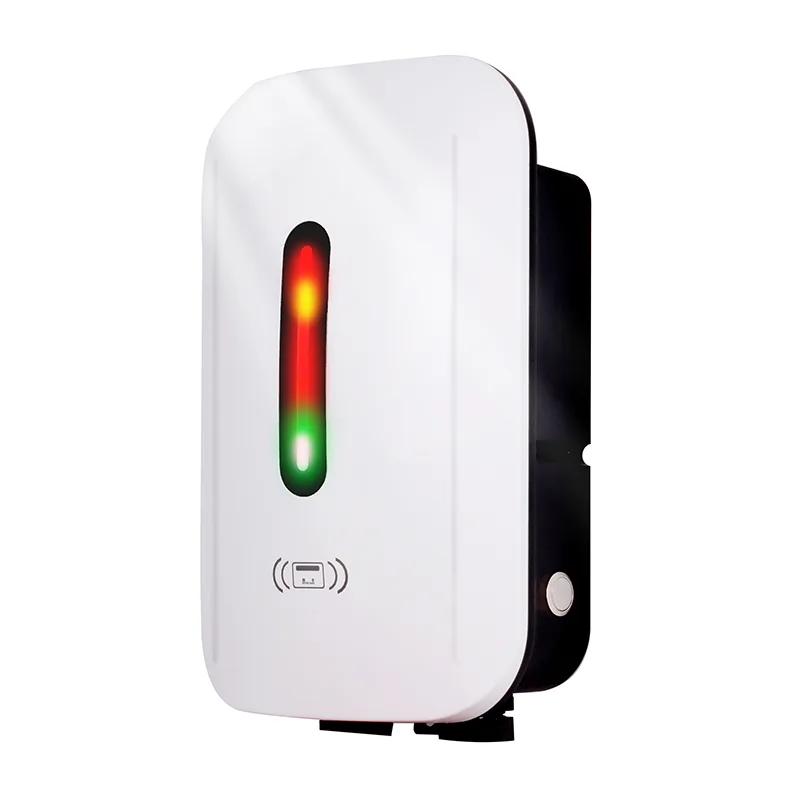
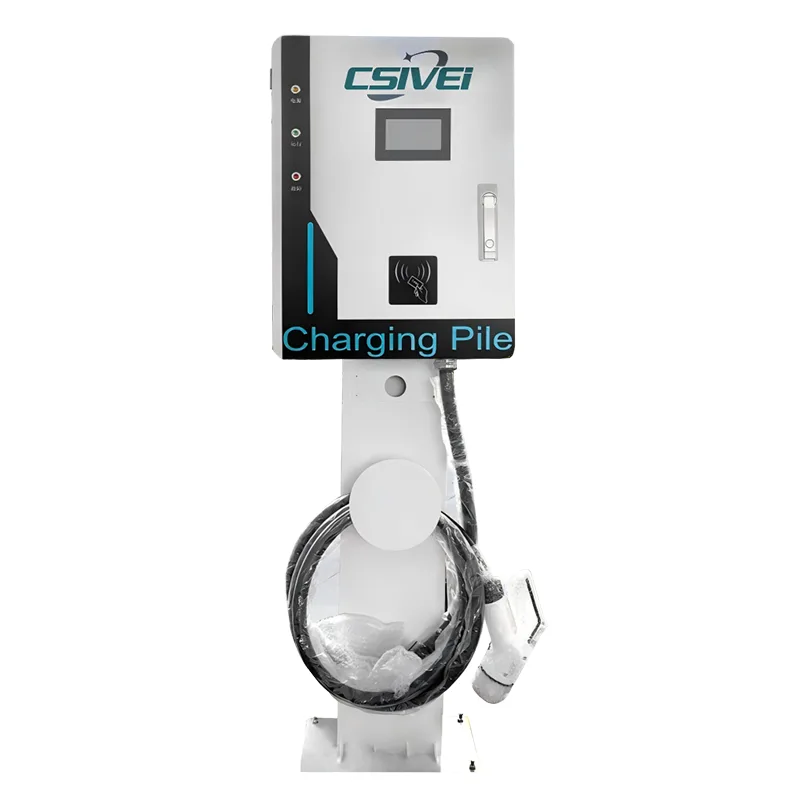
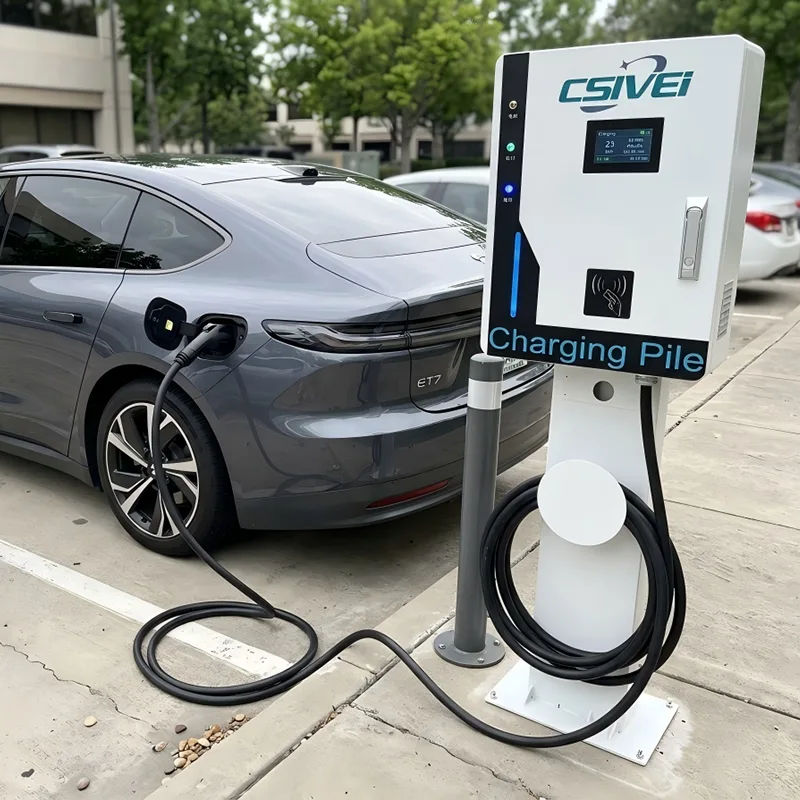
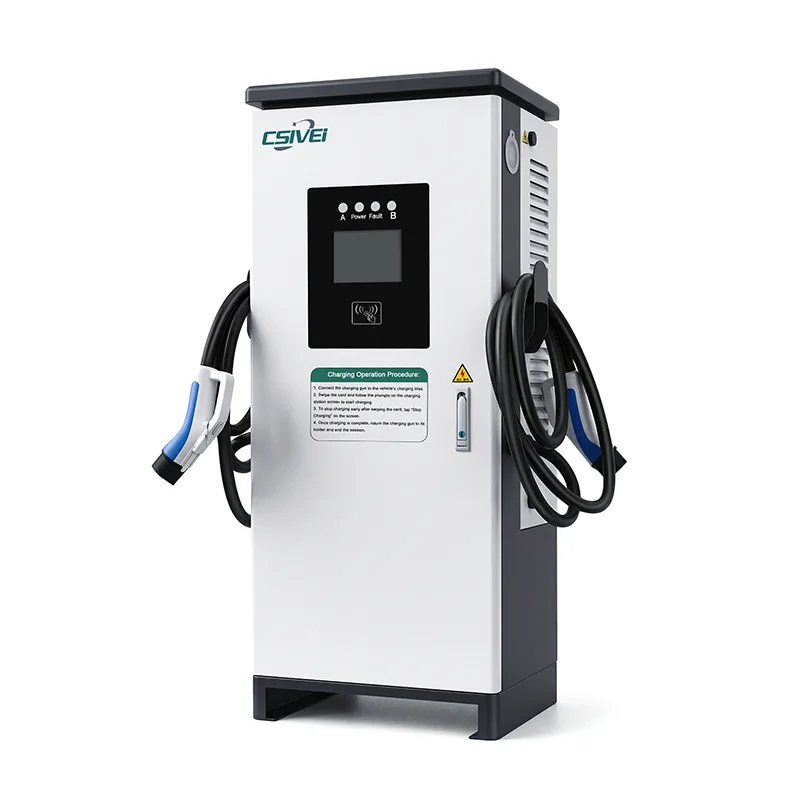
Designed for power outputs from 20kW to 60kW, CSIVEI factory's quality Single-Gun Wall Mounted DC Fast Charger installs directly onto existing walls, pillars, or structural columns — eliminating the need for concrete pads, ground anchoring, or dedicated parking island construction. This makes it ideal for underground car parks, multi-storey garages, and narrow parking bays where floor-mounted chargers would obstruct traffic flow.
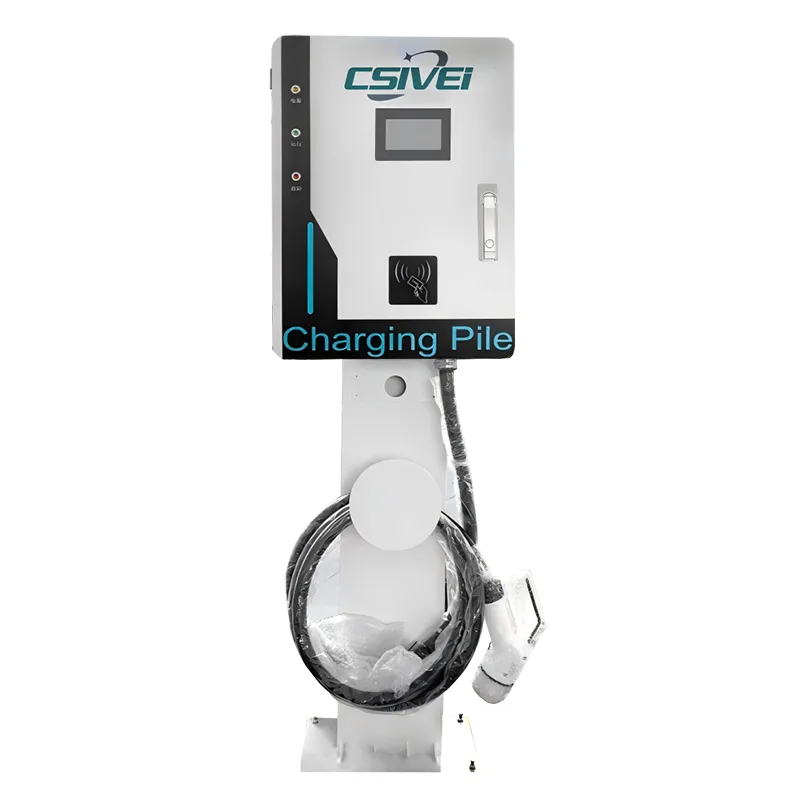
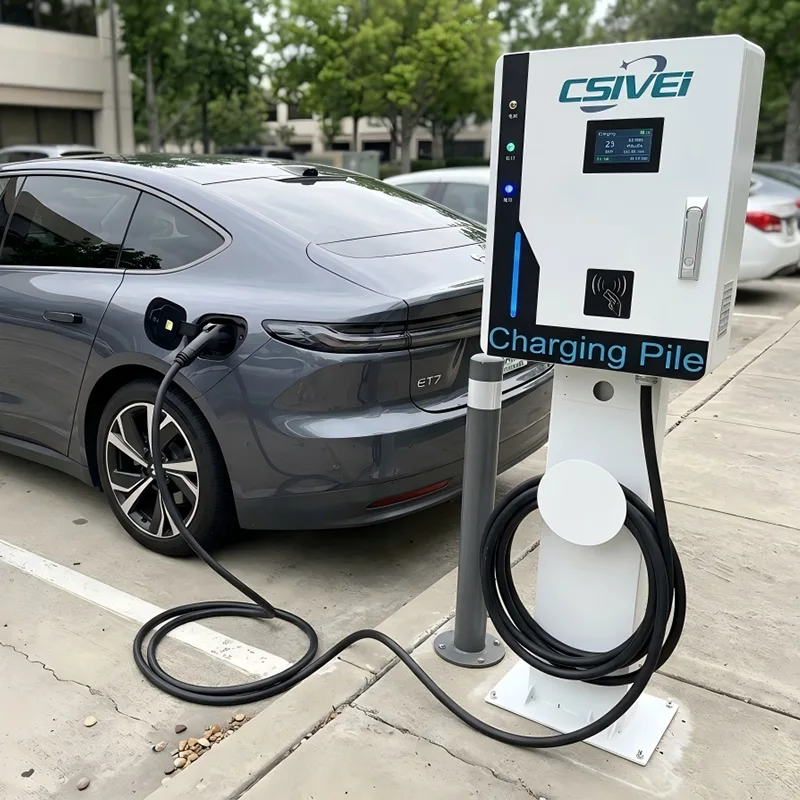
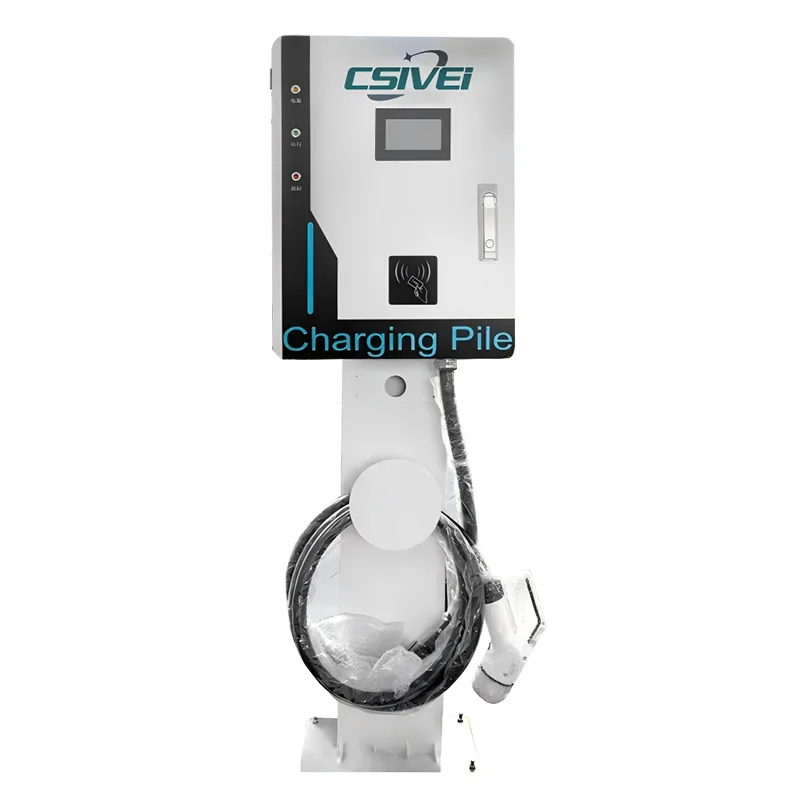
For sites lacking suitable wall surfaces, an optional heavy-duty steel pedestal converts the unit into a free-standing pole-mounted charger without any internal hardware changes.
The charger supports CCS1, CCS2, CHAdeMO, and GB/T standards, serving all mainstream EVs. The IP55-rated enclosure with conformally coated electronics withstands damp, dusty, and poorly ventilated indoor-outdoor environments typical of basement car parks.
Access control runs via a 7-inch touchscreen with RFID and app-based authentication, with OCPP 1.6J/2.0.1 connectivity enabling remote monitoring, transaction reporting, and dynamic pricing.
Safety features include real-time insulation monitoring, DC-sensitive residual current protection, over-temperature protection, and an emergency stop button — all standard across every unit.
Designed for locations where floor space is at a premium, the Single-Gun Wall Mounted DC Charging Station mounts directly onto existing vertical surfaces — freeing up valuable ground area while still delivering DC fast charging performance. With an optional pedestal kit, the same unit transforms into a pole-mounted solution for open-air sites without suitable walls.
In basement garages and multi-level parking structures, narrow bays, tight turning circles, and structural columns make floor-mounted chargers impractical. This wall-mounted unit installs directly onto concrete walls, pillars, or load-bearing columns, placing the charger at the head of each bay without encroaching on the parking space or driving aisle. No ground anchoring or concrete pad is required, speeding up installation and keeping walkways clear for pedestrians.
Dealerships preparing EVs for customer handover or performing post-service charging need fast turnaround within limited workshop and forecourt space. Wall-mounting the charger above the service bay keeps floor areas clear for technicians and vehicle movement. The single-gun configuration pairs neatly with a single dedicated service bay, simplifying cable management and ensuring each vehicle receives consistent, monitored charging.
For staff, guest, or tenant EV charging in buildings with underground or covered parking, wall-mounted DC chargers integrate cleanly into the existing structure. They avoid the clutter of freestanding units in pedestrian-heavy zones and can be installed at eye level for easy screen access. RFID and app-based authentication enable user-specific billing, while OCPP connectivity allows property managers to monitor usage and set time-of-day pricing.
Where wall surfaces are not available — such as open-air surface lots, kerbside parking lanes, or suburban retail car parks — the optional steel pedestal converts the same charger into a slim-profile pole-mounted unit. This provides the deployment flexibility to mix wall-mount and pedestal installations within a single project, using one standardised product rather than sourcing separate wall and floor charger models. The compact footprint of a single pedestal occupies far less ground space than a full floor-standing charger cabinet.
Small to mid-sized electric fleets — such as local delivery vans, council maintenance vehicles, or corporate car pools — often operate from depots with existing buildings and perimeter walls. Wall-mounting DC chargers along the depot edge maximises usable yard space for vehicle parking and manoeuvring. Scheduled charging via the OCPP backend can align with off-peak electricity rates, keeping fleet running costs low.
The Single-Gun Wall Mounted DC Fast Charger packs full DC fast-charging capability into a compact, wall-mountable chassis — achieving high power density without compromising thermal performance, safety, or serviceability.
The charger employs a streamlined modular rectifier architecture, integrating high-frequency isolated AC-DC converters into a slim enclosure typically one-third the volume of an equivalent floor-standing unit. Despite the reduced footprint, conversion efficiency remains ≥95% at rated load. The module bay is accessible from the front panel, allowing individual power modules to be hot-swapped without removing the unit from the wall — a critical advantage in tight garage environments where side access may be restricted.
Wall-mounted deployment presents unique thermal challenges: the charger is often installed against concrete or masonry surfaces with limited rear airflow, and basement car parks can suffer from stagnant, humid air. To address this, the unit combines a sealed internal air duct with intelligent forced-air cooling. High-static-pressure fans draw filtered air through a front-to-side path, preventing hot air recirculation and protecting internal components from brake dust and airborne particulates common in parking structures. Conformal coating on all PCBs provides additional protection against condensation and corrosive atmospheres.
The enclosure is constructed from lightweight yet rigid galvanised steel, powder-coated for UV and corrosion resistance. A reinforced mounting bracket system distributes the unit's weight across multiple anchor points, compatible with concrete, brick, and structural steel columns. The design centres the charger's mass close to the wall plane, minimising cantilever stress on fixings. For sites deploying the optional pedestal, the same mounting bracket attaches to a hot-dip galvanised steel column with an integrated cable management channel, requiring no internal hardware modifications to transition between wall-mount and pole-mount configurations.
A spring-balanced cable retractor or cable holster is integrated into the unit's side profile, keeping the charging cable off the ground when not in use. This prevents trip hazards in pedestrian-rich areas and protects the cable from vehicle run-over damage. The holster design routes the cable downward and outward at a natural gripping height, reducing operator strain during connection.
Despite its reduced size, the charger retains the complete control and safety suite found in larger DC units. An embedded Linux controller handles vehicle communication across CCS1, CCS2, CHAdeMO, and GB/T protocols. Real-time insulation monitoring, Type A + 6mA DC-sensitive residual current detection, and contactor welding detection operate continuously during every session. Overtemperature sensors positioned on the power modules, DC output path, and connector contacts trigger staged protective responses — from fan speed increase to controlled power reduction to full session termination if thresholds are exceeded. OCPP 1.6J/2.0.1 connectivity over 4G, Wi-Fi, or Ethernet enables remote diagnostics, firmware updates, and per-transaction billing.
The wall-mount design supports power ratings from 20kW to 60kW, matching the typical electrical capacity available in existing buildings without costly grid upgrades. Input options cover both single-phase and three-phase configurations depending on the power tier. The optional pedestal accessory kit includes the column, base plate, and cable guide — installable by a single technician team — allowing mixed wall-mount and pedestal deployments from one standardised charger model across an entire parking facility.
Q1: What kind of wall surface is required for installation?
The Single-Gun Wall Mounted DC Fast Charger is designed to mount onto solid concrete, brick, or structural steel columns. The reinforced mounting bracket distributes the unit's weight across multiple anchor points, ensuring stable, secure fixation. A site survey is recommended to confirm load-bearing capacity, and we provide a detailed mounting template and installation guide for your electrical contractor.
Q2: What if there is no suitable wall at my site?
An optional heavy-duty steel pedestal is available. This freestanding column uses the same mounting bracket as the wall-mounted version — no internal hardware changes are needed. The pedestal comes with an integrated cable management channel and a floor plate. It allows you to mix wall and pedestal installations across one site while using a single standardised charger model.
Q3: What are the available power outputs, and why is the range lower than floor-standing units?
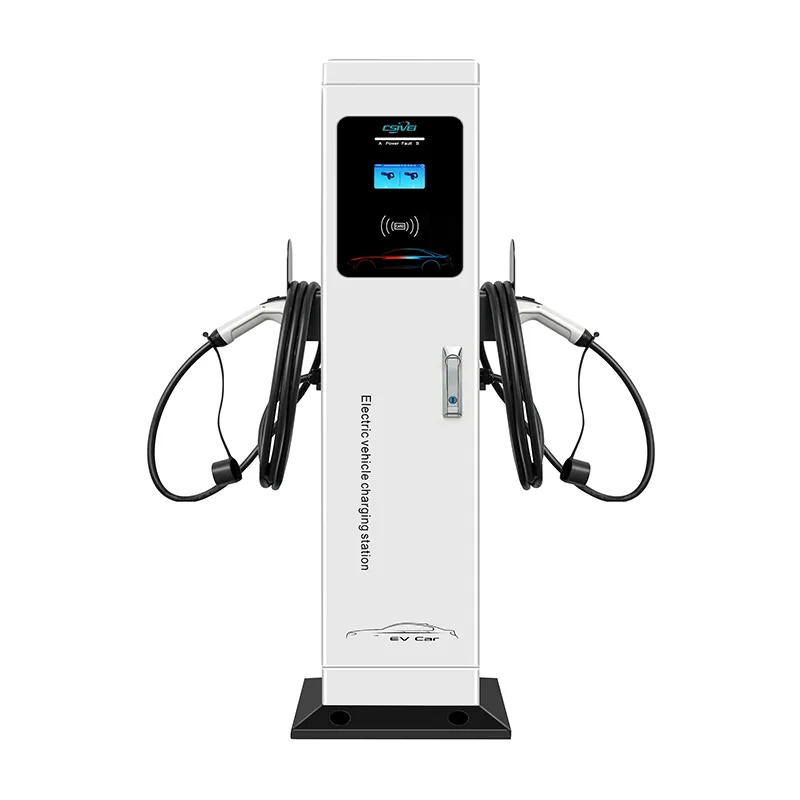
This wall-mounted DC charger is offered in power tiers from 20kW to 60kW. This range is optimised for compact wall-mount thermal design and typical building electrical capacity. For wall-mounted installations, this power level is sufficient for destination charging, workplace parking, and overnight fleet use. If your project requires higher power, our floor-standing single-gun or dual-gun chargers offer configurations from 60kW to 240kW.
Q4: Can the charger operate reliably in damp or dusty underground car parks?
Yes. The enclosure is rated IP55, and all internal electronics are conformally coated to resist humidity, condensation, and airborne particulates. The sealed air duct and high-static-pressure cooling fans are specifically designed for the stagnant, often dusty air found in basement and multi-storey parking structures.
Q5: How is the charging cable managed when not in use?
An integrated side-mounted cable holster or spring-balanced retractor keeps the cable off the ground. This prevents trip hazards in pedestrian areas, protects the cable from vehicle damage, and positions the connector at a comfortable gripping height for users.
Q6: Can I monitor and manage multiple wall-mounted chargers remotely?
Yes. Every unit includes OCPP 1.6J/2.0.1 connectivity over 4G, Wi-Fi, or Ethernet. You can integrate all chargers into your preferred charging network management system for real-time monitoring, per-unit transaction reporting, remote diagnostics, dynamic pricing, and firmware updates.
Q7: What maintenance access is needed — does the unit need to be removed from the wall for servicing?
No. The front panel provides full access to the modular power bay. Individual power modules can be hot-swapped without removing the charger from the wall. For most routine checks — filter cleaning, visual inspection — all components are reachable from the front, making maintenance feasible even in tight parking spaces.
A Downtown Commercial Complex — Underground Parking EV Charging Retrofit
A premium mixed-use complex in a major European city centre planned to retrofit DC fast charging into its three-level underground car park. The facility serves hotel guests, office tenants, and retail visitors, with a growing number requesting EV charging. Management wanted to install fast chargers without losing any parking bays or obstructing narrow driving aisles.
The basement car park presented significant physical constraints typical of older urban buildings:
● Narrow parking bays with tight turning radii left no room for floor-standing charger cabinets.
● Structural columns were frequent but walls were available at the head of many bays.
● Ceiling height restrictions and ventilation ducts limited overhead clearance.
● The concrete floor could not be extensively trenched for new power runs — existing wall-side cable trays had to be used.
● Construction work could not disrupt daily parking operations; installation had to be clean, fast, and minimally invasive.
● Floor-standing DC chargers were ruled out early. They would have occupied valuable bay space, required concrete pads, and created obstacles in already tight driving lanes.
The building's concrete perimeter walls and structural columns offered ideal mounting surfaces at the head of existing parking bays. A single-gun wall-mounted unit could be positioned above each dedicated EV bay, serving one vehicle at a time without taking up any floor space whatsoever.
The charger's compact chassis — roughly one-third the size of a floor-standing equivalent — mounted flush against the wall, leaving the full bay depth available for vehicle parking. The integrated side-mounted cable holster kept the charging cable off the ground, eliminating trip hazards in pedestrian walkways.
Crucially, the wall-mounted design meant no ground anchoring, no concrete breaking, and no bay closure during installation. All power cabling was routed through existing wall-side cable trays and terminated directly into the top or rear of the charger enclosure.
For a handful of middle-row bays where no wall or column was available, the optional steel pedestal was deployed. This allowed the same charger model to be installed on a slim freestanding column, occupying a fraction of the footprint of a full floor-standing cabinet. The mixed wall-mount and pedestal deployment used one standardised product, simplifying procurement, spare parts inventory, and maintenance training.
Forty of our Single-Gun Wall Mounted DC Fast Chargers — configured with CCS2 connectors — were installed across the three basement levels. Thirty-six units were wall-mounted onto concrete walls and structural columns; four units used the pedestal kit for middle-row bays. Installation was completed outside of peak parking hours with zero bay loss. OCPP backend integration connected all forty units to the building's central management platform, enabling user authentication via the existing hotel and office access cards, per-session billing, and real-time monitoring.
● Forty EV-capable bays were created without sacrificing a single existing parking space — a decisive factor for the complex's management.
● Installation cost was significantly lower than floor-standing alternatives due to the elimination of concrete pads, ground trenching, and structural modifications.
● The mixed wall-and-pedestal approach solved every bay layout challenge using one charger model, keeping the project procurement process simple.
● Hotel guests, office tenants, and shoppers now access fast charging using their existing building access cards, with charges automatically billed to their room, lease, or payment app.
● The property manager reported a measurable increase in hotel guest satisfaction scores and office lease renewals attributed to the EV charging amenity.
● Following the successful rollout, the building owner has specified the same wall-mounted solution for two additional properties in the city.

Address
No. 3788, Liujiang Road, Liushi Town, Yueqing City, Wenzhou City, Zhejiang Province, China
Tel
If you have any enquiry about quotation or cooperation, please feel free to email us at sanchia@csivei.com or use the following inquiry form.Our sales representative will contact you within 24 hours. Thank you for your interest in our products.
WhatsApp:8615705777705