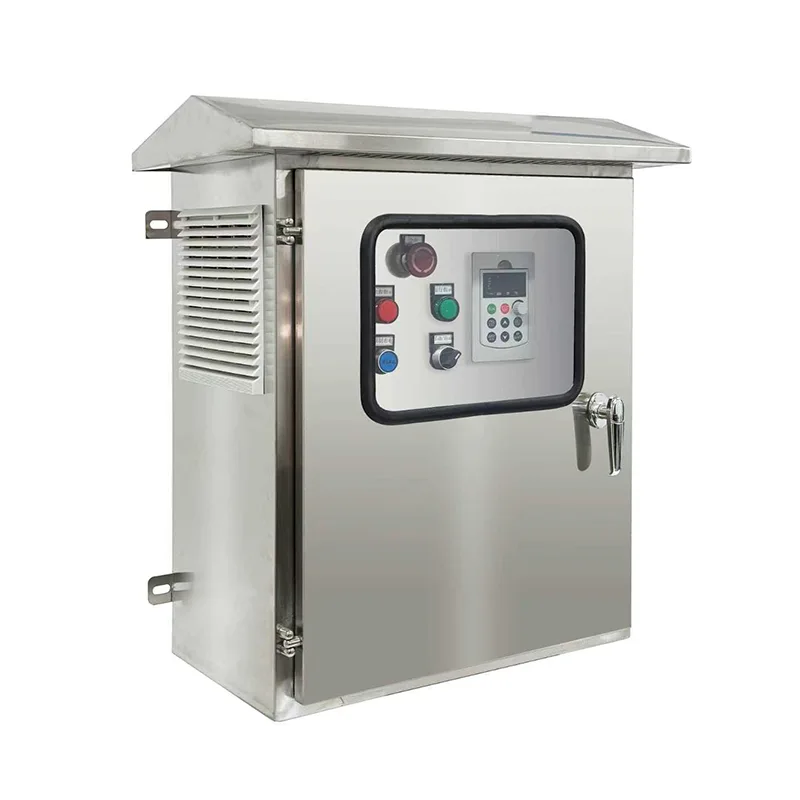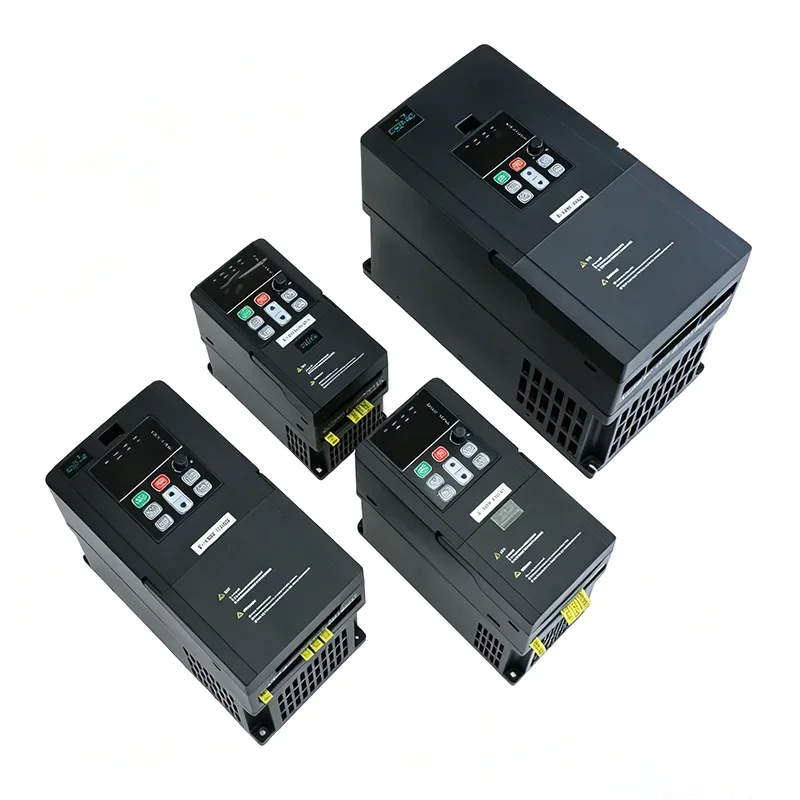



Reliable solar water pumping depends on more than the photovoltaic array and pump motor. A well-configured Solar Pumping Inverter Cabinet brings power conversion, motor control, electrical protection, and system monitoring together in one organized enclosure. Understanding these functions helps engineers, project planners, and equipment distributors evaluate system compatibility, installation requirements, and long-term operating needs before choosing a configuration.
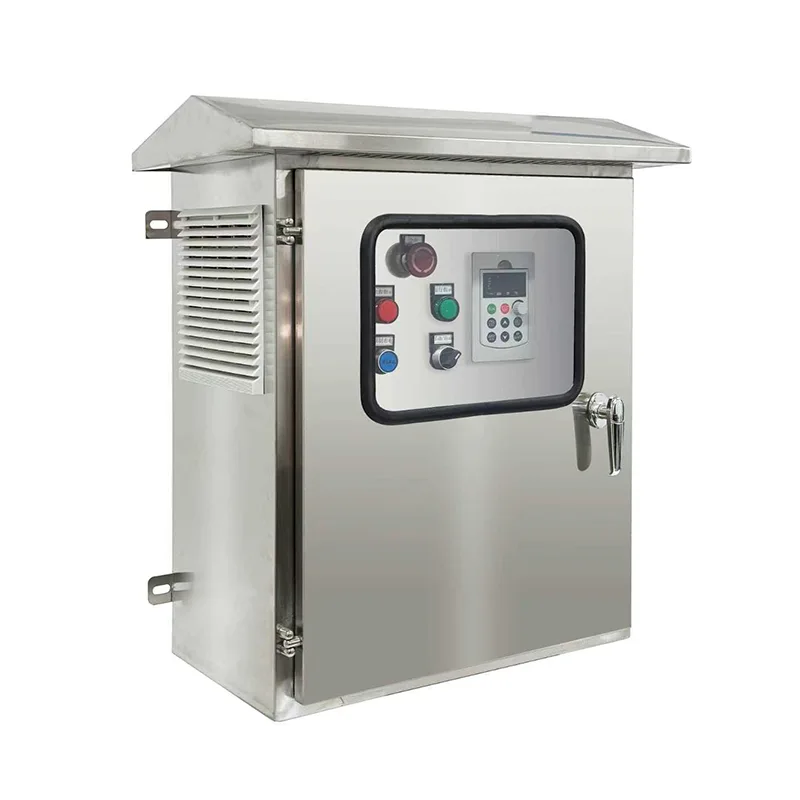
A solar pumping control system converts available photovoltaic energy into controlled electrical power for water pumps. Its performance depends on the relationship between solar array voltage, inverter capacity, motor characteristics, water demand, protection functions, and site conditions. This guide explains the main cabinet components, MPPT operation, pump matching, enclosure protection, optional hybrid power, installation planning, and routine maintenance. It also provides practical evaluation questions and a comparison table to help project teams specify equipment that suits agricultural irrigation, borehole pumping, livestock watering, and other water supply applications.
How Does a Solar Pumping System Work?
A solar water pumping system uses photovoltaic modules to generate direct-current electricity. A suitable inverter and motor control stage then regulate the electrical output delivered to the pump. Depending on the system design, the pump can draw water from a borehole, well, reservoir, river intake, or other approved source and move it to an irrigation network, storage tank, or distribution point.
Solar generation changes throughout the day. Cloud cover, panel temperature, shading, and the sun's position all affect the power available to the motor. A standard motor drive may require additional control logic to respond correctly to those changing conditions. A solar pumping controller combines energy tracking with motor control so that the pump can operate within its permitted electrical and mechanical limits as sunlight varies.
PV generation
Photovoltaic modules produce DC power according to solar irradiance, module temperature, array configuration, and site conditions.
Power conversion
The inverter regulates the electrical output and supplies motor-compatible voltage and frequency within its rated operating range.
Motor-driven pumping
The motor converts electrical energy into mechanical rotation, allowing the pump to move water against the required head.
System supervision
Control inputs and protection functions respond to operating limits, water-level signals, electrical faults, and other configured conditions.
The maximum power point tracking function, commonly called MPPT, adjusts the electrical operating point of the solar array to extract available power efficiently. It does not create energy when sunlight is insufficient. Instead, it helps the system use available photovoltaic power while respecting the inverter's input limits and the pump's operating requirements.
Some installations store water in a tank during productive sunlight hours rather than storing electricity in batteries. This approach separates water demand from the immediate solar generation cycle, provided that the storage volume, pump capacity, and daily water requirement are properly coordinated.
Which Components Work Inside the Cabinet?
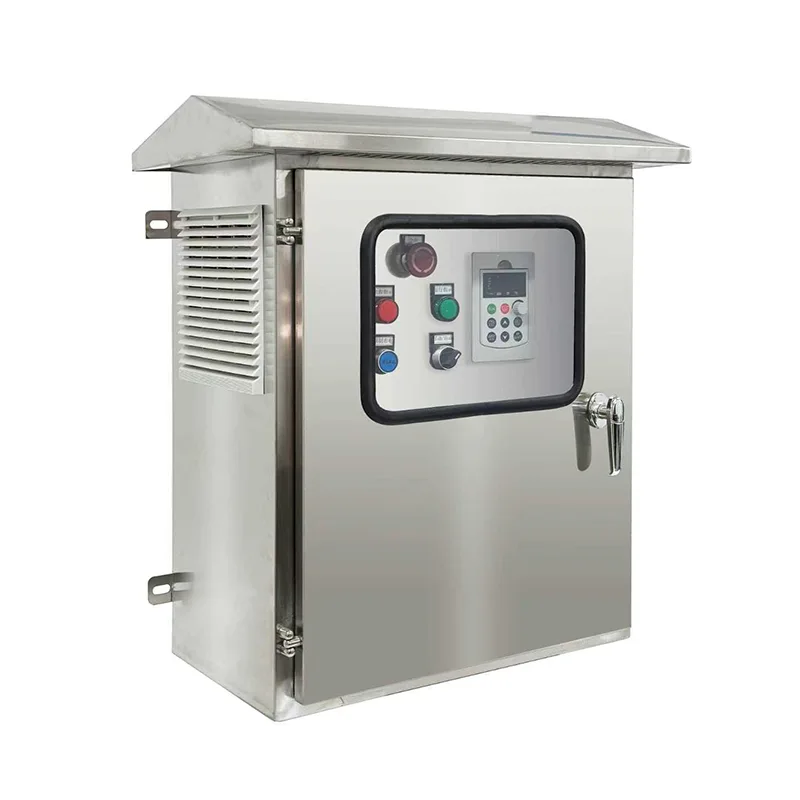
A cabinet-based system organizes electrical components in a defined enclosure to support power conversion, control, isolation, and servicing. The actual component list varies with power rating, input arrangement, environmental requirements, optional functions, and applicable electrical standards. A specification should identify included equipment rather than treating every possible feature as standard.
DC input and isolation section
The DC input section receives power from the photovoltaic array. Depending on the design, it may include input terminals, string fuses, DC isolators, surge protective devices, and a combiner arrangement. These components support safe isolation and protection of the DC circuit. The number of inputs and the permitted voltage and current must match the approved array configuration.
MPPT and inverter power stage
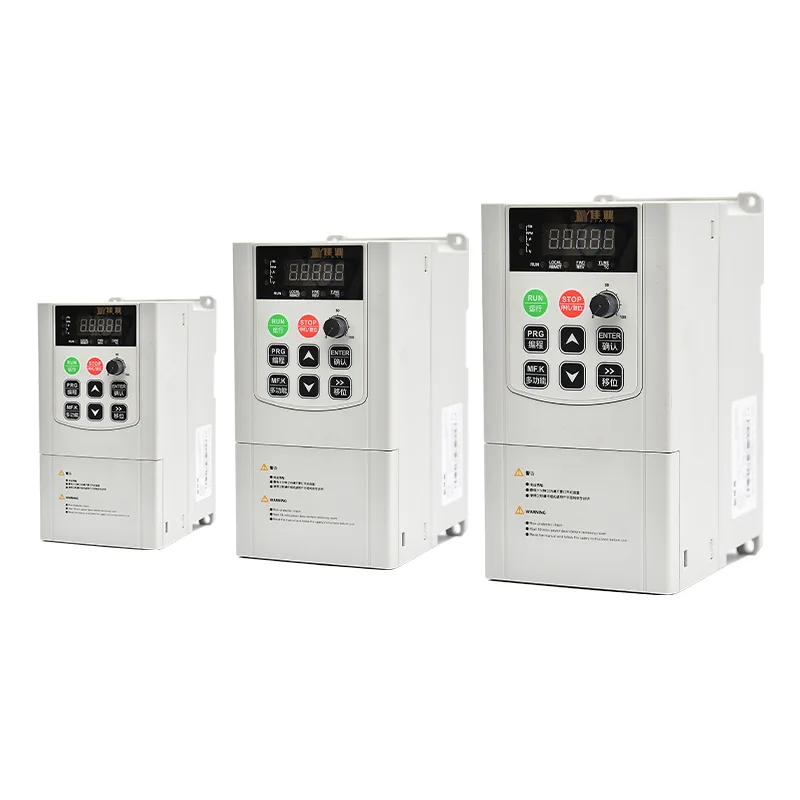
The MPPT controller manages the solar array operating point. The inverter power stage converts the available DC bus power into controlled AC output for the pump motor. Semiconductor devices, internal bus components, and switching controls must be suitable for the specified operating conditions. System design also needs to consider motor cable length, electrical interference, and whether output reactors or other filtering devices are required.
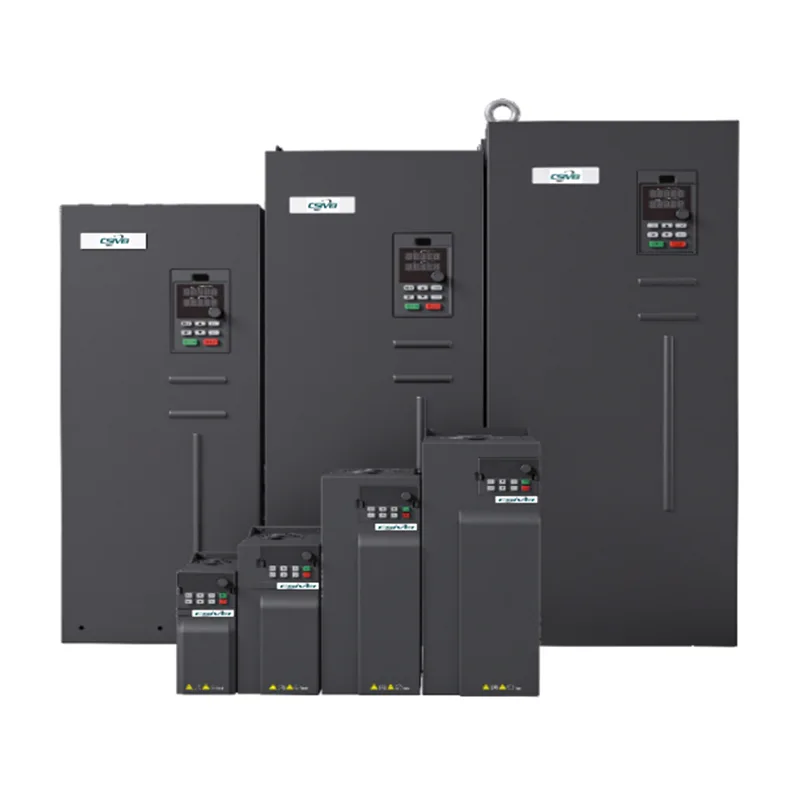
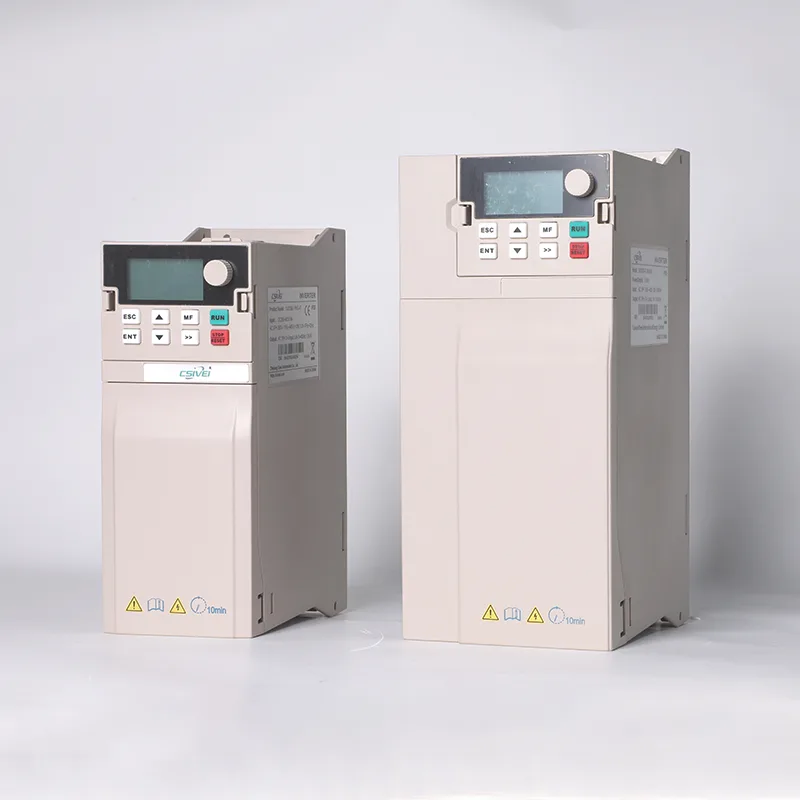
A properly specified Solar Pumping Inverter Cabinet can integrate these functions with the control and protection equipment, but integration does not remove the need to verify circuit ratings, wiring diagrams, and the final bill of materials.
Control and monitoring section
The controller manages operating commands, adjustable parameters, alarms, and external signals. A display or human-machine interface may show input voltage, output frequency, operating status, and fault codes. Communication interfaces can support connection to an external monitoring system where the selected model provides the necessary protocol and hardware.
Cooling and enclosure accessories
Power electronics generate heat while operating. Depending on the thermal design, the enclosure may use natural ventilation, filtered fans, or additional temperature-control measures. Door seals, cable entries, mounting arrangements, and internal clearances also influence the cabinet's environmental protection and serviceability.
Where Is This Equipment Used?
Solar pumping equipment is useful in locations where photovoltaic generation can support water movement and where the system can be designed around available sunlight, water demand, and pump duty. The correct configuration depends on the application rather than the industry label alone.
Agricultural irrigation
Farms can use photovoltaic-powered pumps for drip irrigation, sprinkler systems, greenhouse watering, and field irrigation. The design must account for daily irrigation volume, the required delivery pressure, irrigation scheduling, and seasonal changes in solar availability. When irrigation demand continues after sunlight decreases, water storage or a suitable backup source may be necessary.
Deep-well and borehole water supply
Submersible pumps draw groundwater through a borehole and deliver it to a storage tank, treatment stage, or distribution network. Selection must consider static water level, pumping water level, borehole yield, pipe losses, and the total dynamic head. Dry-running protection and low-water detection are particularly important where the source's available water can change.
Livestock and remote water points
Ranches and remote grazing areas may need water at troughs or storage tanks far from a reliable electrical supply. Automatic operation reduces the need for constant manual switching, while water-level controls help prevent overflow. Equipment exposed to dust, heat, rain, or animal activity also needs suitable enclosure placement and protected cable routing.
Community and industrial water systems
Solar-driven pumping can support rural water distribution, process-water transfer, pond management, and selected dewatering applications. These installations may have more demanding duty cycles, water quality conditions, or operating requirements than a small irrigation setup. Industrial projects should evaluate the pump's operating curve, fluid characteristics, fault response, control interfaces, and applicable site safety requirements.
- Agriculture: Match output to irrigation schedules, distribution pressure, and daily water volume.
- Boreholes: Verify depth, drawdown, available water yield, motor requirements, and dry-run control.
- Livestock: Coordinate water storage, automatic filling, and remote-site environmental protection.
- Industrial duty: Review continuous operating needs, process conditions, monitoring, and fault-handling requirements.
What Should You Check When Selecting Equipment?
Equipment selection should begin with the water duty and the pump motor, then move to the solar array, inverter characteristics, protection functions, and installation environment. Looking at cabinet appearance or rated kilowatts alone does not establish whether a system will meet the project's operating requirements.
- Define the water requirement. Establish the required daily water volume, delivery schedule, static and pumping water levels, pipe dimensions, total head, and required outlet pressure. These values determine the pump duty that the power system must support.
- Record the motor nameplate data. Document rated power, voltage, current, phase, frequency, motor type, and starting characteristics. Check whether the motor is a submersible or surface unit and whether the drive supports its specific operating requirements.
- Check the photovoltaic array. Confirm the array's open-circuit voltage, operating voltage, short-circuit current, maximum power, series-string arrangement, and site temperature range. The design must remain within the inverter's permitted limits under the relevant environmental conditions.
- Review protection requirements. Determine which electrical protections, water-level inputs, tank-full signals, dry-run functions, and restart logic are required. Confirm whether they are integrated into the selected configuration or need external devices.
- Evaluate the installation environment. Identify outdoor exposure, dust, humidity, ambient temperature, corrosion risks, direct sunlight, and available clearance. Use these conditions to determine enclosure protection, cooling, mounting, and any additional environmental accessories.
- Confirm the operating and control interface. Determine whether local display, automatic start and stop, remote status reporting, data logging, or integration with a supervisory system is necessary. Check the exact communication options and required external equipment.
- Review documents before approval. Request the technical datasheet, wiring diagram, terminal layout, protection list, and commissioning instructions for the proposed model. Confirm the final configuration against the project specification before installation.
Using these steps to evaluate a Solar Pumping Inverter Cabinet helps prevent mismatches between the solar array, inverter, motor, and hydraulic system. It also gives the installation team a clearer basis for checking wiring, control signals, and maintenance access.
How Do You Match the Inverter to the Pump?
Motor selection and inverter sizing must be assessed together. A pump's rated power provides an initial reference, but it is not the only factor that determines inverter suitability. Rated current, motor voltage, starting torque, operating speed, pump type, and the manufacturer's drive-selection instructions all affect the required configuration.
Start with electrical compatibility
Confirm that the inverter output voltage, phase, frequency range, and continuous current rating are suitable for the motor. Also check overload capability and permissible operating conditions. A motor with the same nominal kilowatt rating as an inverter is not automatically compatible if its current demand or operating characteristics fall outside the drive specification.
Consider hydraulic duty
Total dynamic head includes the vertical lift, required delivery pressure expressed as head, and losses from pipes, fittings, valves, and other components. Pump output varies with head and speed. The pump curve should therefore be reviewed alongside the daily water target rather than assuming that rated flow is available under all conditions.
Calculate the photovoltaic input range
The array must provide a voltage within the inverter's MPPT operating range and below its maximum permitted DC input voltage. Cold-weather module voltage can increase, while high module temperatures can lower operating voltage. Array sizing should consider the module's electrical data and local temperature extremes, not just its nominal power.
The number of modules in each series string is limited by voltage conditions, while parallel strings affect the combined current. The proposed configuration must also respect the permitted input current, short-circuit current, connector rating, and any MPPT channel limits specified by the manufacturer.
| Selection factor | Information to collect | Why it matters |
|---|---|---|
| Motor data | Rated power, current, voltage, phase, frequency, and motor type | Establishes drive compatibility and the required output characteristics. |
| Water duty | Flow target, total dynamic head, pumping hours, and source yield | Determines whether the pump can meet the intended water supply requirement. |
| PV array | Module ratings, string voltage, total array power, and combined current | Checks whether available solar input fits the inverter's electrical limits. |
| Daily operation | Solar resource, demand schedule, tank capacity, and backup requirements | Helps establish suitable pumping hours and the need for stored water or auxiliary power. |
| Site conditions | Ambient temperature, dust, humidity, cable distance, and installation location | Influences enclosure selection, thermal management, cable design, and protection measures. |
Which Protection and Enclosure Features Matter?
Protection must cover the electrical system, pump operating conditions, and installation environment. The exact protection functions available depend on the selected inverter, controller, sensors, and cabinet design. Verify the functions listed for the actual model instead of assuming that every cabinet includes identical hardware and software.
Electrical protection
- Overcurrent and overload protection: Helps prevent operation beyond permitted electrical or thermal limits.
- Overvoltage and undervoltage protection: Responds when supply or internal circuit voltage falls outside the configured operating range.
- Short-circuit and phase-loss protection: Detects specified electrical fault conditions that can affect safe motor operation.
- Surge protection: Helps manage transient overvoltage events when properly selected and installed according to the system design.
- Grounding and isolation: Supports safe fault-current paths and maintenance isolation when designed and implemented correctly.
Pump and water-level protection
A dry-running pump may operate without adequate water, risking overheating, mechanical wear, or loss of lubrication depending on its design. Dry-run detection can use motor characteristics, dedicated sensors, or a combination of methods. The chosen method should suit the pump type and water source.
Tank-full switches, pressure switches, and water-level sensors can provide external control signals. Before commissioning, verify their contact type, input compatibility, wiring, response logic, and fault behavior. A protection function is useful only when its sensing method and configured thresholds are appropriate for the installation.
Enclosure rating and cooling
Ingress protection ratings describe protection against access, solid objects, and water under defined test conditions. The rating required for a particular installation depends on exposure and the applicable installation rules. An enclosure suitable for a sheltered plant room may not be suitable for direct outdoor exposure, and an IP rating alone does not establish resistance to every chemical, corrosion condition, or UV exposure.
Cooling design is equally important. Ventilation openings and filters need adequate airflow and accessible maintenance points. Direct solar heating, restricted clearance, high ambient temperatures, and accumulated dust can raise internal temperatures. Where heat management depends on fans, the service plan should include checking their operation and cleaning or replacing filters.
How Do Backup Power and Monitoring Fit In?
Solar-only operation may be sufficient where water can be pumped during daylight and stored for later use. Other sites require a defined water supply schedule during cloudy periods or outside normal solar production hours. In these cases, the project may need a separate backup strategy or a cabinet configuration that supports an auxiliary power source.
Solar-only operation
A solar-only arrangement uses the photovoltaic array as the primary electrical source. The controller adjusts pump operation according to available power and its programmed conditions. Daily output still depends on solar irradiance, array design, pump duty, and the water source's capacity. Water storage can help balance differences between generation and demand.
Hybrid supply
Some configurations support an additional grid or generator input. When this option is required, check the permitted input source, electrical ratings, switching method, operating priority, and control sequence. Do not assume that a standard drive has a built-in transfer function or that all input arrangements can operate simultaneously.
Local displays and remote data
Local displays can provide operating status, fault information, and selected electrical values for technicians. Optional communication modules may make data available to a remote monitoring platform, a supervisory control system, or another supported interface.
Before specifying monitoring, define which values are needed, how often data must be collected, and who is responsible for responding to alarms. Confirm the available communication protocol, connection medium, external module requirements, and any necessary software integration. Remote access should also follow the project's cybersecurity and access-control requirements.
- PV input voltage and operating power, where supported by the controller.
- Motor status, output frequency, and active fault information.
- Tank-level or pressure-switch states when connected and displayed.
- Alarm history and communication status where supported by the selected model.
What Should Installation and Commissioning Include?
Correct installation is essential for reliable operation. Electrical work should be completed by qualified personnel using the manufacturer's instructions, the approved wiring diagrams, and the applicable local regulations. The final installation should allow safe isolation, inspection, cooling, and access to serviceable components.
Before energizing the system
- Check the installation location, mounting surface, ventilation clearance, and enclosure condition.
- Confirm that the photovoltaic array's voltage and current remain within the specified input limits.
- Verify polarity, terminal identification, conductor sizing, protective devices, and grounding arrangements.
- Inspect cable glands, door seals, cable routing, and separation between power and control wiring where required.
- Confirm that the pump, motor cable, pressure switches, and water-level sensors match the approved design.
During commissioning
Commissioning should verify the configured motor parameters, operating limits, control commands, and fault responses. Confirm that automatic start and stop behavior follows the intended sequence. Test the applicable water-level and tank-full inputs, protective shutdowns, and restart logic according to the manufacturer's approved procedure.
Where the system includes a display or remote interface, verify that the shown status corresponds to the actual operating state. Check that alarms can be identified, that communication settings are correct, and that responsible personnel know how to stop and isolate the equipment safely.
A commissioning record should capture model identification, parameter settings, key electrical measurements, sensor tests, and any approved deviations. This record makes later troubleshooting more consistent and helps technicians distinguish a new fault from a change in settings or installation conditions.
A properly installed Solar Pumping Inverter Cabinet should be assessed as part of the complete pumping system. Final performance depends on the interaction between the power source, inverter, motor, pump, water source, pipework, and controls rather than on the cabinet alone.
How Can Performance Be Maintained?
Routine inspection helps identify environmental or electrical issues before they interrupt water delivery. Maintenance frequency should follow the equipment manual, site conditions, operating duty, and applicable safety requirements. Dusty agricultural sites, humid locations, and installations with frequent temperature changes may need more attention than clean, sheltered environments.
Routine inspection tasks
- Inspect enclosure doors, gaskets, cable entries, and mounting hardware for damage or looseness.
- Clean ventilation filters and inspect cooling fans according to the specified service interval.
- Check accessible terminals and grounding connections using the prescribed safe isolation procedure.
- Review alarm history for repeated overcurrent, undervoltage, overheating, or sensor-related events.
- Confirm that level switches and pressure inputs operate correctly and that cables remain protected.
- Inspect the surrounding area for standing water, excessive dust, direct heat exposure, or blocked airflow.
Common operating symptoms
| Observed symptom | Possible factors | Recommended check |
|---|---|---|
| Pump does not start | Insufficient solar input, active fault, incorrect command, or open sensor input | Review controller status, array conditions, configured limits, and the relevant control circuit. |
| Water flow is lower than expected | Reduced irradiance, excessive head, blocked pipework, or unsuitable pump operating point | Compare operating conditions with the pump curve and check the hydraulic system. |
| Repeated thermal alarms | Restricted airflow, high ambient temperature, overload, or cooling-system malfunction | Inspect the cooling path and verify motor load and installation conditions. |
| Unexpected stops | Low-power sleep logic, source water shortage, tank-full input, or electrical faults | Check fault history, sensor state, restart parameters, and actual source conditions. |
| Remote data is unavailable | Communication settings, network interruption, unsupported protocol, or module fault | Check the interface configuration, connection status, and compatibility of the monitoring system. |
Repeated trips should not be resolved by simply increasing protection thresholds or disabling protective functions. Identify the root cause, follow the manufacturer's diagnostic procedure, and make configuration changes only when supported by the equipment specifications and site requirements. Electrical inspection and internal servicing must be performed with appropriate isolation and safety precautions.
Frequently Asked Questions
These answers address common questions about solar-powered pump control, cabinet configuration, equipment selection, and installation.
Does a solar water pumping system always need batteries?
No. Many systems pump water directly from photovoltaic power during daylight hours. A storage tank or reservoir can hold water for later use. Batteries or auxiliary power may be considered when the required operating schedule cannot be met by the selected solar-only arrangement.
Can one inverter operate different types of water pumps?
Compatibility depends on motor type, rated voltage, current, power, control requirements, and the inverter's supported operating modes. A configuration suitable for one pump should not automatically be assumed suitable for another. Check the motor data and manufacturer's application guidance before connecting equipment.
What is the purpose of MPPT in solar pumping?
Maximum power point tracking adjusts the solar array operating point to help extract available photovoltaic power. It supports operation as sunlight changes, but it cannot compensate fully for insufficient solar energy or an incorrectly sized pump and array.
Can the equipment operate during cloudy weather?
Operation depends on the remaining solar power and the controller's minimum operating conditions. Pump speed or water output may decrease, and the controller may enter a sleep state when input power becomes insufficient. A supported auxiliary source can provide another operating option where continuous water supply is required.
Which enclosure protection rating should be selected?
The appropriate rating depends on the expected exposure to dust, water, and other environmental factors, together with applicable installation requirements. Confirm the rating of the actual cabinet configuration and assess any additional requirements for corrosion, direct sunlight, temperature, or ventilation.
What information is needed to specify a suitable cabinet?
Provide the pump motor nameplate data, required flow and total dynamic head, daily water demand, photovoltaic module specifications, installation conditions, required protection functions, and monitoring or backup-power requirements. These details help establish the necessary inverter characteristics and cabinet configuration.
Can the pumping system be monitored remotely?
Remote monitoring is possible when the selected configuration supports the required communication hardware and protocol. Confirm whether a communication module, external network, monitoring software, or additional sensor is needed to obtain the desired operating data.
How often should a pumping control cabinet be inspected?
Follow the manufacturer's maintenance schedule and adjust inspection frequency for site conditions and operating duty. Routine checks commonly include ventilation, enclosure seals, visible wiring, alarm history, grounding arrangements, and connected sensors. Any internal electrical work should follow the required isolation procedure.
Planning a Solar Water Pumping Project?
Choosing a suitable configuration starts with accurate pump data, a clear water demand profile, a compatible photovoltaic array, and a well-defined installation environment. For product details and project-specific configuration discussions, learn more about CSIVEI and its power control equipment. Contact us to discuss your application and technical requirements.