Products
Solar Pumping Inverter Cabinet
  • Solar Pumping Inverter CabinetSolar Pumping Inverter Cabinet

Solar Pumping Inverter Cabinet

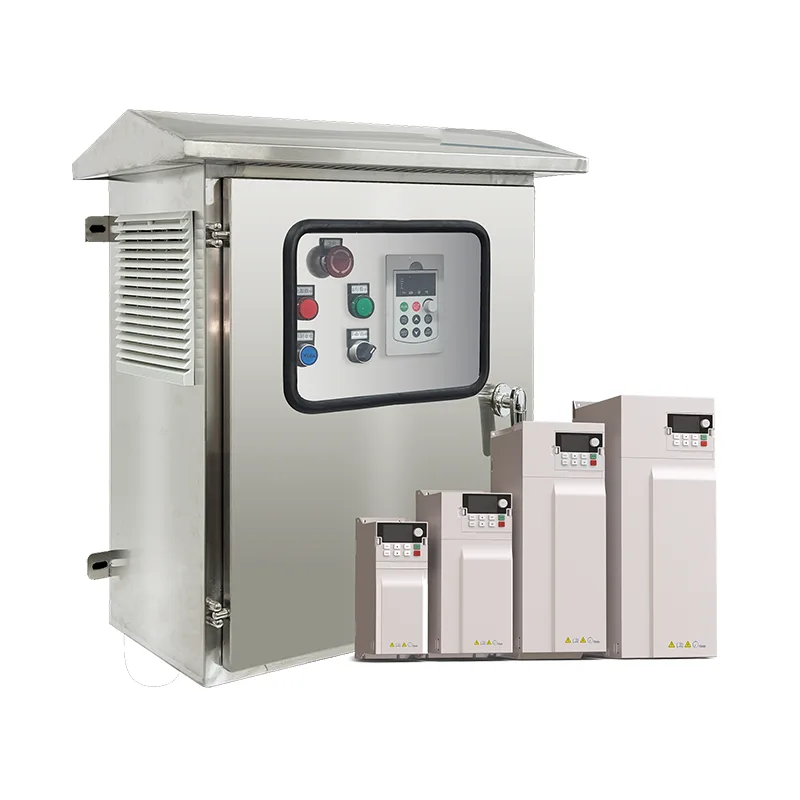
As a dedicated solar inverter manufacturer and supplier from China, our factory delivers the Solar Pumping Inverter Cabinet — an integrated, cabinet-style PV pumping control system that converts DC power from photovoltaic arrays directly into variable-frequency AC output to drive submersible or surface water pumps. Engineered for off-grid and hybrid agricultural, municipal, and industrial water supply applications, it combines high-efficiency MPPT tracking with intelligent pump protection in a rugged, weatherproof enclosure. Backed by in-house R&D and ISO-certified production, our company provides a turnkey solar water pumping solution that eliminates battery dependency and minimises long-term operational costs.

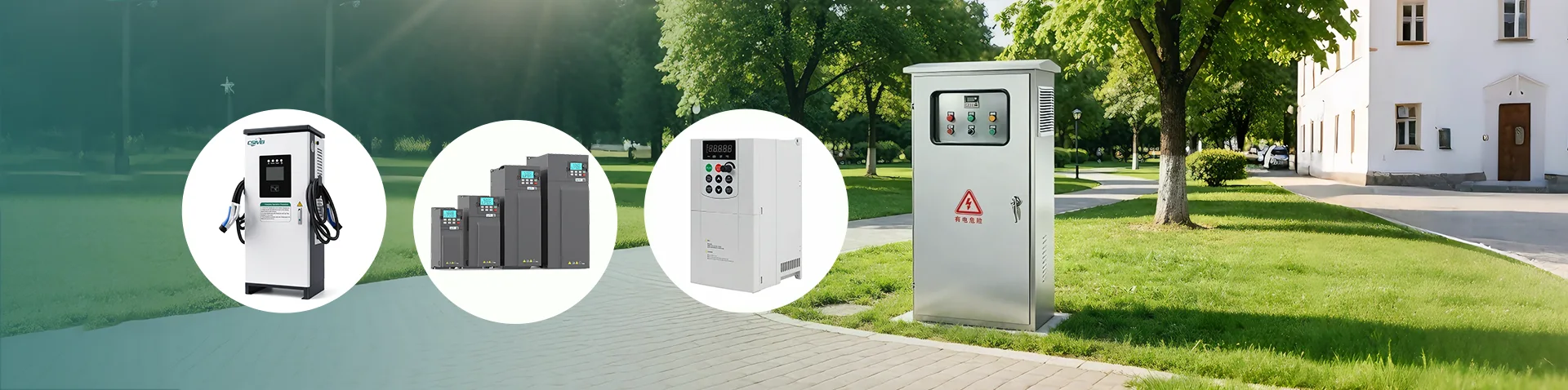
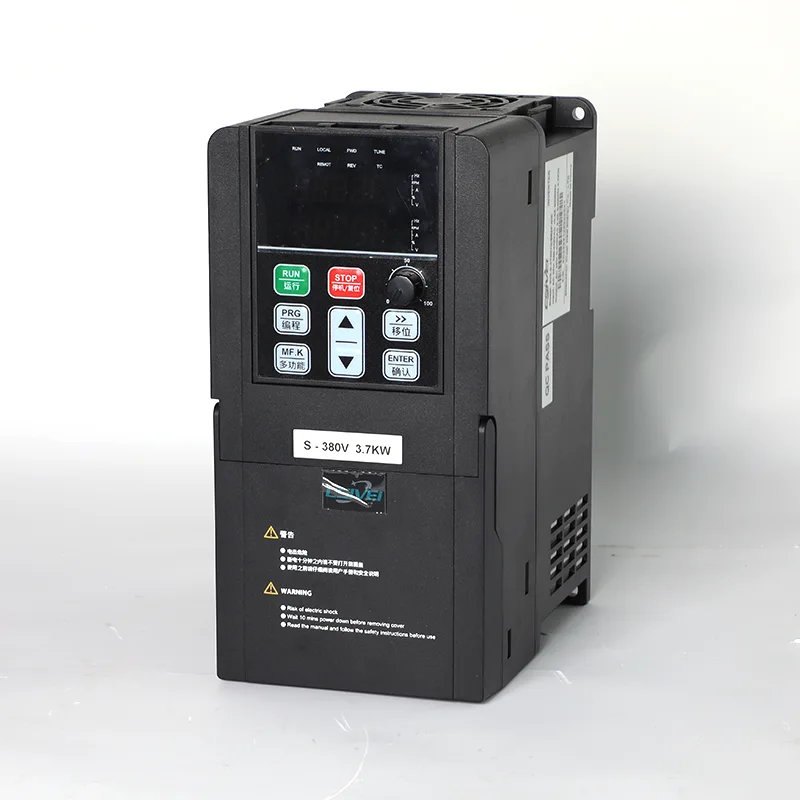
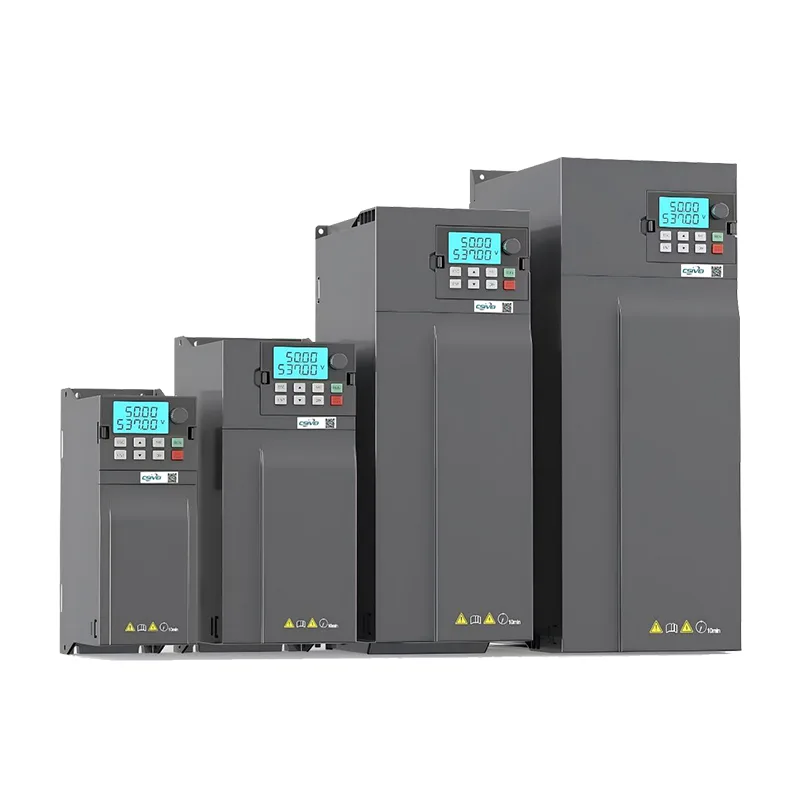
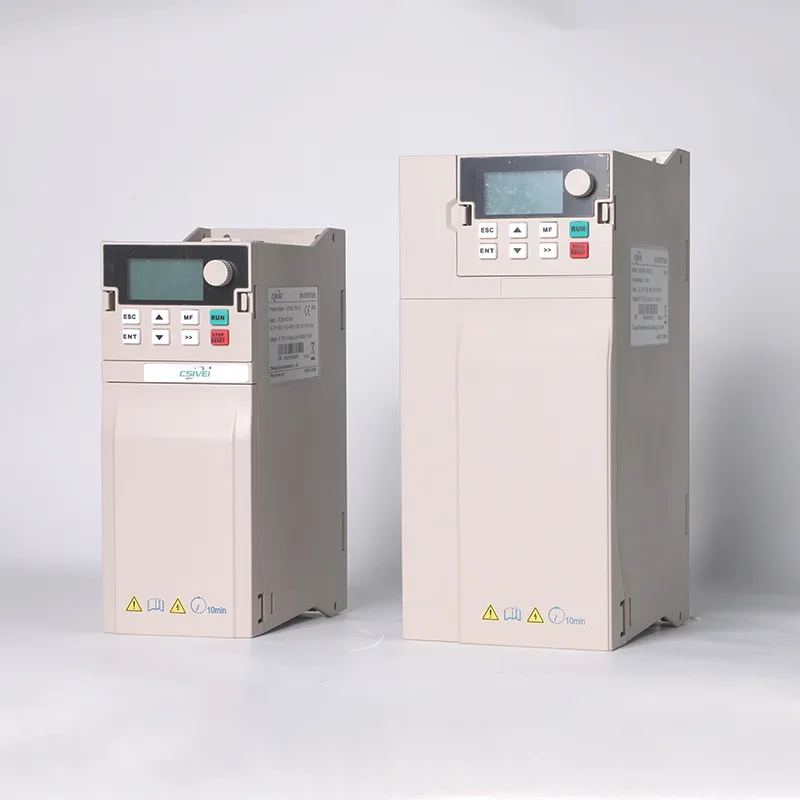
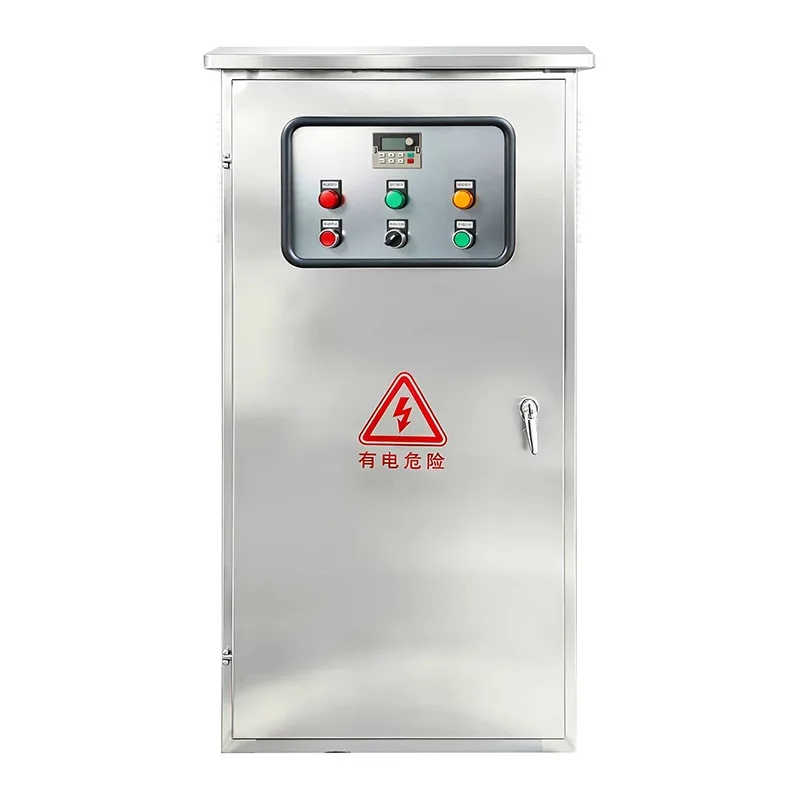
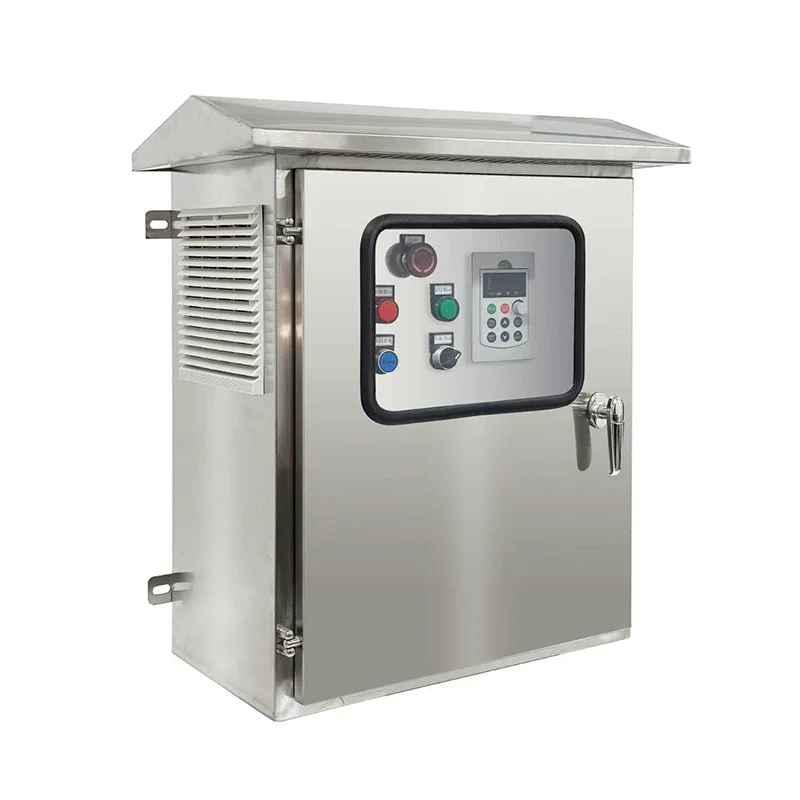
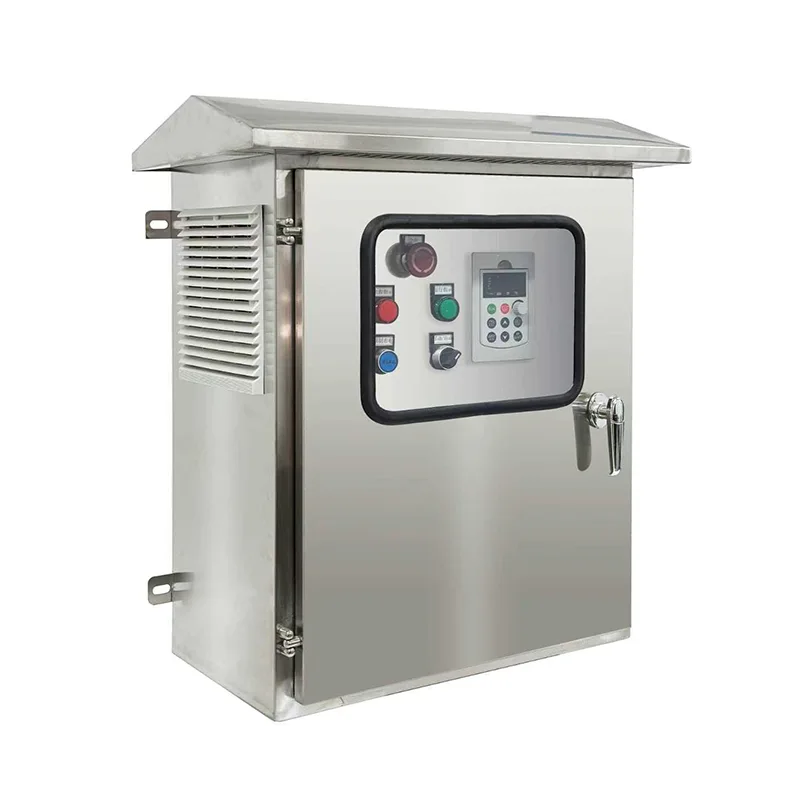
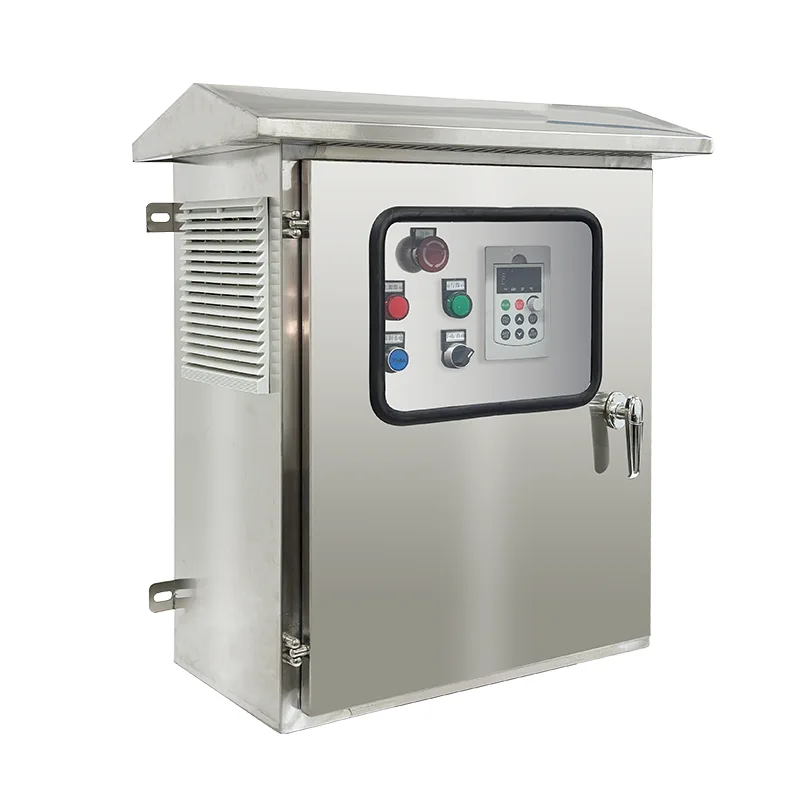
Housed in a robust floor-standing steel cabinet rated IP54 or higher, this inverter system integrates the full power conversion chain — DC input protection, multiple MPPT input channels, a variable-frequency drive stage, AC output filtering, and a comprehensive system controller — all pre-wired and factory-tested for rapid field deployment. Power ratings span from 2.2kW to over 250kW, supporting single-phase and three-phase AC pump motors at standard voltages. The advanced MPPT algorithm achieves >99% tracking efficiency, dynamically adjusting motor speed in real time as solar irradiance changes throughout the day, ensuring maximum daily water delivery. A hybrid input option accepts an AC grid or diesel generator backup supply, automatically switching to maintain water output during overcast periods or night-time operation. Integrated system protections cover dry-running, overload, overvoltage, undervoltage, phase loss, and short circuit, while automatic sleep and wake logic based on a user-set minimum power threshold protects the pump and panels. A graphical touchscreen HMI displays real-time power, voltage, flow, and energy data, with RS485 and optional GPRS/4G/Wi-Fi interfaces enabling remote monitoring and integration into SCADA or IoT platforms via Modbus. All power components are housed within a climate-controlled cabinet with filtered forced-air cooling, surge protection, and full compliance with applicable IEC and local grid standards.


2.Ideal Applications

Designed for dependable, year-round water supply where grid power is unreliable or absent, the Solar Pumping Inverter Cabinet provides autonomous, unattended pump control for agricultural, community, and industrial water systems.


Agricultural Irrigation & Farming

Large-scale irrigation schemes, drip-feed systems, and centre-pivot operations in remote farmland are ideal candidates. The inverter drives high-power three-phase pumps directly from solar arrays, delivering maximum flow during peak sunlight hours — precisely when crops need water most. Hybrid input capability allows seamless grid or generator backup during critical growth stages. With no batteries to maintain and a weatherproof outdoor installation, farmers benefit from significantly reduced energy and operational costs over diesel pumping.


Community & Municipal Water Supply

Rural villages, remote settlements, and municipal water authorities can deploy solar-powered borehole pumping to deliver clean drinking water. The inverter's automatic operation — starting at sunrise and stopping at sunset or when the storage tank is full — eliminates the need for daily operator attendance. Remote monitoring via GPRS/4G lets water authorities track pump status, water output, and system health from a central control room, reducing costly site visits. The cabinet's rugged construction protects against dust, insects, and seasonal weather extremes.


Livestock & Remote Ranch Watering

Cattle stations, sheep farms, and remote grazing operations spread across wide areas need reliable water delivery to stock tanks and troughs. The inverter connects directly to borehole pumps, eliminating diesel generator logistics and fuel delivery costs. Solar-powered pumping aligns naturally with summer demand when animal water consumption peaks. Dry-running protection automatically pauses pump operation if the water level drops, preventing costly downhole motor burnout.


Industrial Water Processing & Wastewater

Mining operations, quarries, and industrial plants in off-grid locations can use the system for process water supply, dewatering, or wastewater transfer ponds. The inverter's rugged cabinet construction with dust filtration and active cooling suits harsh industrial environments. Hybrid input integration with existing backup generators ensures continuous operation regardless of weather conditions.


Desertification Control & Environmental Projects

Large-scale tree planting, grassland restoration, and desert irrigation projects rely on consistent water delivery in remote, inhospitable environments. Solar pumping inverters provide autonomous operation without fuel logistics, with remote monitoring enabling centralised management of multiple dispersed pump sites across vast territories.


3.Technical Deep Dive

The Solar Pumping Inverter Cabinet integrates the complete power conversion, control, and protection suite into a standardised, factory-tested enclosure — reducing site engineering, accelerating commissioning, and maximising long-term reliability.


Multi-Channel MPPT and DC Input Architecture

Solar arrays are connected to the inverter via multiple independent MPPT input channels, each with dedicated DC fuses, surge protection devices, and isolating switchgear housed in the cabinet's input section. The MPPT controller continuously scans array voltage across a wide range (typically 460V–850VDC for larger systems) to locate the maximum power point, achieving >99% static tracking efficiency. Dual or triple MPPT channel configurations allow strings with different orientations, tilt angles, or shading profiles to operate at their individual optimum, significantly increasing total daily energy yield compared to single-MPPT designs.


DC-to-AC Conversion and Variable-Frequency Drive

The MPPT-regulated DC bus feeds a high-performance variable-frequency drive stage built around sixth-generation IGBT modules and high-speed DSP control. The inverter synthesises a sinusoidal PWM output with adjustable voltage and frequency (0–50/60Hz or wider), enabling soft-start motor control with no inrush current — essential for protecting submersible pump windings. Advanced V/f control with slip compensation, torque boost, and automatic energy-optimisation curves matches motor characteristics across the full speed range. Output filtering — using DC link chokes, output reactors, and dV/dt filters as appropriate — ensures long cable runs between the inverter and borehole pump without motor insulation stress or bearing currents.


Hybrid Power Input Management

An integrated automatic transfer and synchronisation function accepts an auxiliary AC input from the grid or a diesel generator. The system controller continuously compares available PV power against the pump's required operating power. When solar irradiance falls below a user-defined threshold, the AC input automatically supplements or replaces PV supply — maintaining water output without interruption. AC-only, PV-only, and hybrid priority modes are user-configurable. PV priority mode maximises solar utilisation while using AC only for shortfall coverage, minimising fuel or electricity costs.


Pump-Specific Protection Algorithms

The embedded controller implements a suite of pump-dedicated protections not found in generic VFDs. Dry-running detection monitors motor current, power factor, and frequency in real time, identifying the characteristic low-load signature of an unprimed or dry-run pump within one second of detection, then initiating an automatic shutdown and timed restart attempt routine. Minimum power protection prevents inefficient low-speed operation that wastes water without productive pumping. Sleep mode engages when available solar power drops below a user-set wake threshold, entering a low-power monitoring state and automatically resuming when irradiance returns. Water-full detection from a tank-level float switch or pressure transducer input halts the pump to prevent overflow, independently of the daily solar cycle.


Cabinet Engineering and Environmental Protection

The floor-standing cabinet is fabricated from galvanised steel sheet with a weatherproof powder-coated finish, achieving IP54, IP55, or IP65 ratings depending on model specification. The cabinet is divided into functional compartments — DC input, power conversion, control, and AC output — with hinged, gasketed doors providing walk-up access to all serviceable components. A filtered forced-air cooling system with temperature-controlled variable-speed fans maintains optimal internal ambient for power electronics. Air intakes use high-efficiency filters suitable for dusty agricultural environments; tropicalised versions add conformal coating on all PCBs for high-humidity regions. Integrated thermostatically controlled anti-condensation heaters are available for cold-climate deployments.


Control, HMI, and Remote Connectivity

A door-mounted colour touchscreen HMI provides at-a-glance system status including PV input power, motor speed, output voltage, frequency, daily energy yield, and cumulative water delivery (calculated from pump curves or a flow meter input). Parameter settings are password-protected with multiple access levels. Standard communication interfaces include RS485 (Modbus RTU) for SCADA integration, with optional GPRS, 4G, Wi-Fi, or Ethernet modules for cloud-based remote monitoring. The platform allows remote start/stop, parameter changes, alarm acknowledgement, and data logging — enabling a single operator to manage dozens of dispersed pump sites.


4.Frequently Asked Questions

Q1: What pump types and motor sizes can this inverter drive?

The system supports three-phase AC induction motors and permanent magnet synchronous motors in submersible and surface pump configurations. Power ratings range from 2.2kW to over 250kW. Common applications include deep-well borehole pumps, horizontal centrifugal pumps, and turbine pumps. We will assist with matching inverter capacity to your pump motor nameplate data.


Q2: Does the system require batteries?

No. The inverter drives the pump directly from solar panels, with no battery bank required. Water is pumped during sunlight hours and stored in a tank, reservoir, or header tank — which is far more cost-effective than storing electricity in batteries. If 24-hour water supply is needed, the optional hybrid AC input can engage grid or generator power during darkness.


Q3: How many solar panels do I need, and how are they connected?

Panel configuration is determined by your pump power, daily water volume target, and local solar irradiance. The inverter's MPPT voltage range (typically 460–850VDC for three-phase systems) defines the series string length. Our sales engineers will calculate the array size and string configuration based on a simple site questionnaire. The cabinet includes a DC combiner section with fused inputs, simplifying array wiring.


Q4: What happens on cloudy days or during low sunlight periods?

The inverter slows the pump motor as solar power decreases, maintaining continuous but reduced water flow. If power drops below the user-set minimum threshold, the system enters sleep mode and periodically checks for recovered irradiance. If the system is equipped with the AC hybrid input option, grid or generator power automatically supplements or replaces solar during low-irradiance periods.


Q5: What protection is in place for the pump?

Comprehensive protection algorithms cover dry-running, overload, overcurrent, overvoltage, undervoltage, phase loss, short circuit, and over-temperature. Dry-running detection is particularly critical for borehole applications; the controller identifies a low-load condition typical of a dry pump within seconds and shuts down before motor damage occurs, then initiates an automatic timed restart cycle.


Q6: Can the inverter be installed outdoors?

Yes. The cabinet is rated IP54, IP55, or IP65 depending on specification, and is designed for permanent outdoor installation. It includes filtered ventilation, sealed door gaskets, and UV-resistant coating. For extreme environments, additional options such as sunshade canopies, enhanced dust filtration, and internal anti-condensation heaters are available.


Q7: How is the system monitored and controlled remotely?

Standard RS485 Modbus RTU allows local SCADA or HMI integration. Optional GPRS/4G, Wi-Fi, or Ethernet modules enable cloud-based remote monitoring via a web portal or mobile app. You can view real-time status, receive alarm notifications, download historical data, and remotely adjust parameters. This is particularly valuable for sites over a dispersed geographical area.


Q8: What maintenance does the cabinet require?

Routine maintenance is minimal: quarterly air filter cleaning or replacement, visual inspection of cable connections and door seals, and annual functional testing of protection devices. The cabinet's front-access design means all components — fuses, contactors, control PCBs, and power modules — can be reached without removing the enclosure.


5.A Regional Agricultural Authority — Large-Scale Solar Irrigation Deployment

Background

A government agricultural development authority in a semi-arid region of Sub-Saharan Africa planned to replace diesel-powered irrigation pumps with solar energy across multiple farming cooperatives. The project targeted 20 borehole sites spread across a wide geographical area, each supplying water for drip-irrigated horticulture and field crops. Diesel fuel logistics accounted for over 60% of operating costs, and generator breakdowns frequently interrupted irrigation during critical growing periods.


The Challenge

Each site presented a similar profile: an existing 15kW to 45kW three-phase submersible borehole pump, a remote location with no grid connection, and a dry season that coincided exactly with peak solar irradiance. The authority's requirements were demanding:

●  Zero battery dependency to minimise capital and replacement costs

●  Ability to deliver maximum water volume during midday hours when crop evapotranspiration was highest

●  Protection for expensive submersible pumps against dry-running in boreholes with variable water yield

●  Remote centralised monitoring of all 20 sites from the regional headquarters

●  Robust construction to withstand year-round dust, seasonal rains, and ambient temperatures reaching 45°C


Why Solar Pumping Inverter Cabinets?

The cabinet-style inverter solution was selected for its fully integrated, pre-tested delivery. Each cabinet arrived on site pre-wired with DC input protection, MPPT modules, the VFD drive stage, output filtering, and the system controller — requiring only connection to the PV array and the pump cable for commissioning.


Multi-channel MPPT allowed each site's solar array to be divided into strings oriented slightly east and west, extending effective pumping hours beyond a pure south-facing configuration. The hybrid AC input option was specified for the two largest sites, allowing a small backup generator to supplement during extended cloudy periods or for occasional night-time irrigation.


Crucially, the pump-specific dry-running protection gave the authority confidence that their existing borehole pumps — a significant sunk cost — would be safeguarded. The automatic sleep and wake logic meant no operator attendance was required daily; the system started automatically at dawn and stopped when the storage tanks signalled full.


Deployment

Twenty Solar Pumping Inverter Cabinets ranging from 18.5kW to 45kW were deployed across the cooperating farming communities. Each cabinet included dual MPPT channels, the hybrid AC input option on the two largest units, and integrated GPRS remote monitoring connected to the authority's central SCADA platform. Installation and commissioning were completed by a local electrical contractor over a three-month dry-season window. Existing borehole pumps were retained and connected directly to the new inverters.


Results

●  Diesel fuel costs at the 20 sites dropped to near zero, with generator backup engaging for less than 2% of total annual operating hours.

●  Water delivery volumes matched or exceeded the diesel-pumping baseline, with the extended MPPT window adding approximately 1.5 extra effective pumping hours daily.

●  Not a single pump motor failure occurred in the first 18 months of operation, credited to the soft-start control and dry-running protection.

●  The authority's engineers monitored all 20 sites from a single dashboard, receiving automated SMS alerts for any fault condition, significantly reducing site-visit costs.

●  The success of this initial deployment has led the authority to allocate funding for an additional 35 cabinet systems in the next phase, expanding solar irrigation to new farming communities.

Solar Pumping Inverter Cabinet

Hot Tags: Solar Pump Inverter Cabinet,Solar Pumping Inverter Cabinet,Solar Water Pump Inverter Cabinet
Send Inquiry
Contact Info

If you have any enquiry about quotation or cooperation, please feel free to email us at sanchia@csivei.com or use the following inquiry form.Our sales representative will contact you within 24 hours. Thank you for your interest in our products.


WhatsApp:8615705777705

Web:www.csiveivfd.com


X
We use cookies to offer you a better browsing experience, analyze site traffic and personalize content. By using this site, you agree to our use of cookies.Privacy Policy
RejectAccept