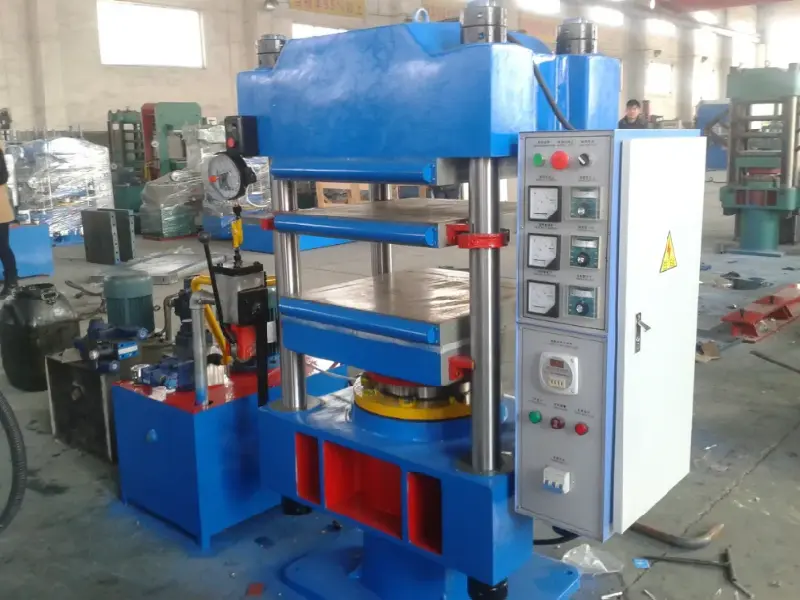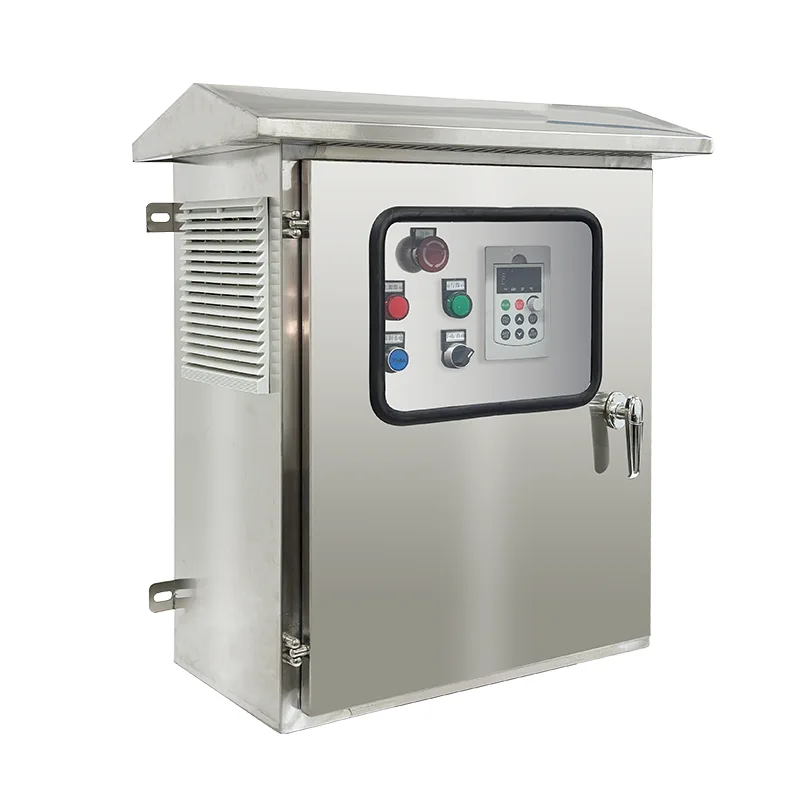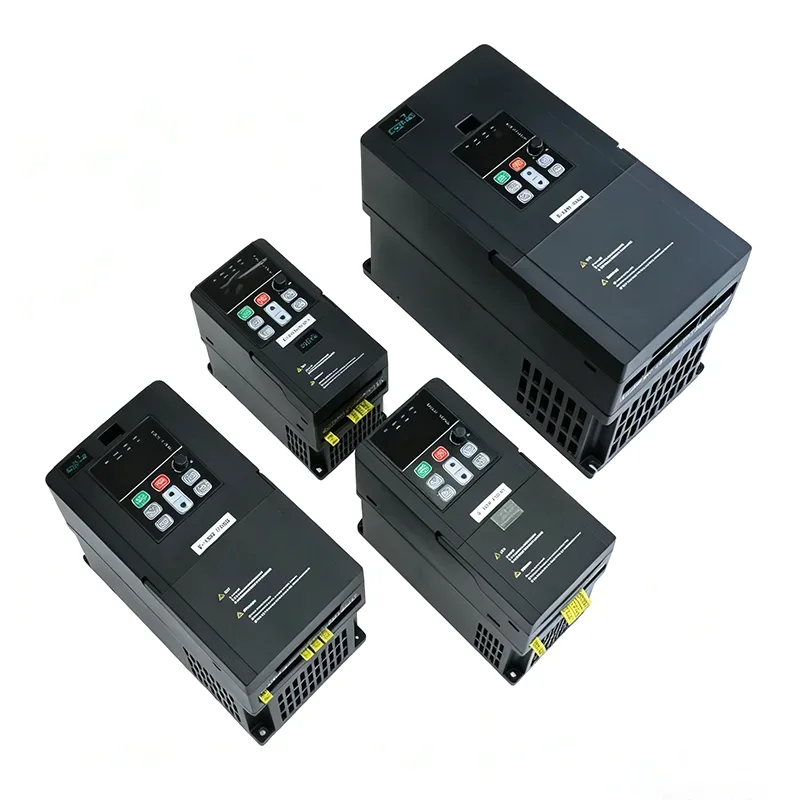



Pump control systems are essential for maintaining stable flow, pressure, energy consumption, and equipment protection in modern pumping applications. Instead of allowing pumps to operate continuously under changing conditions, a well-designed control system coordinates motors, sensors, valves, protection devices, and control logic to match pump operation with actual demand. This guide explains how pump control systems work, where they create the greatest value, what problems they solve, and what buyers should evaluate before selecting a solution.
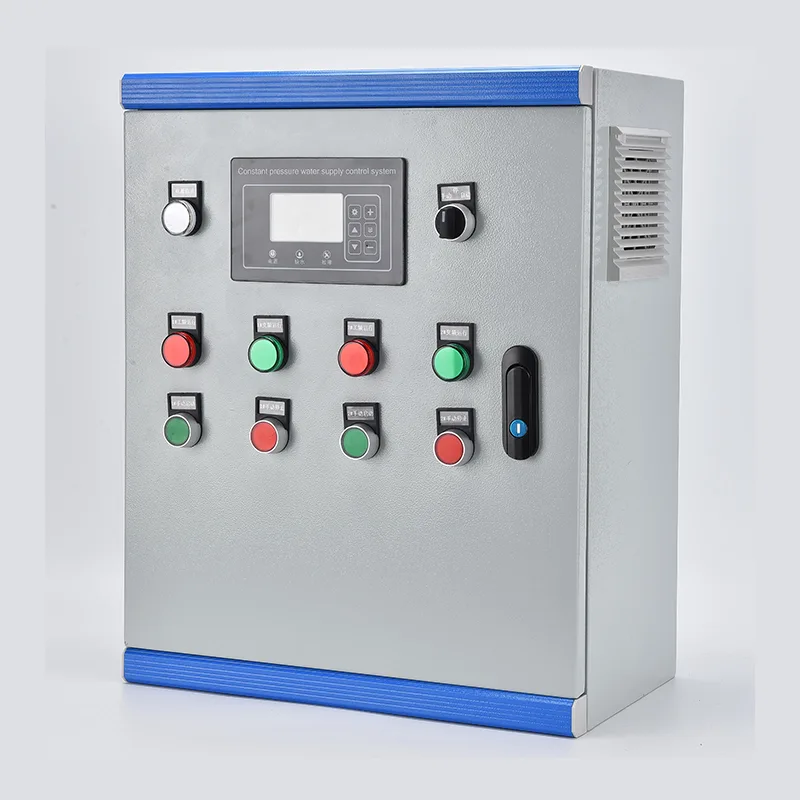
Table of Contents
- Why Pump Control Systems Matter in Modern Applications
- What Is a Pump Control System?
- Key Components of a Pump Control System
- How Pump Control Systems Work
- Major Benefits of Pump Control Systems
- Where Pump Control Systems Are Commonly Used
- Manual Pump Operation vs. Automated Pump Control
- How to Evaluate a Pump Control System Before Purchasing
- Common Pump Control System Problems and Selection Mistakes
- Maintenance and Long-Term Performance
- Working With an Experienced Pump Control System Manufacturer
- Frequently Asked Questions
- Final Considerations
1. Why Pump Control Systems Matter in Modern Applications
Pumping equipment rarely operates under perfectly constant conditions. Flow requirements can change throughout the day, pressure can fluctuate, liquid levels may rise or fall, and downstream equipment may demand different operating conditions. A pump that runs at full capacity all the time can therefore consume unnecessary energy, experience excessive mechanical stress, or deliver more flow than the application requires.
This is where pump control systems become important. A control system provides the logic and electrical coordination required to operate pumps according to actual process conditions rather than relying solely on manual switching.
For industrial facilities, water treatment plants, commercial buildings, agricultural irrigation systems, process lines, and other installations, the objective is not simply to turn a pump on or off. The real objective is to achieve dependable pumping performance while controlling energy use, protecting equipment, and reducing unnecessary intervention.
Key takeaway: A pump is responsible for moving fluid, but the control system determines how intelligently, safely, and consistently that pump operates.
2. What Is a Pump Control System?
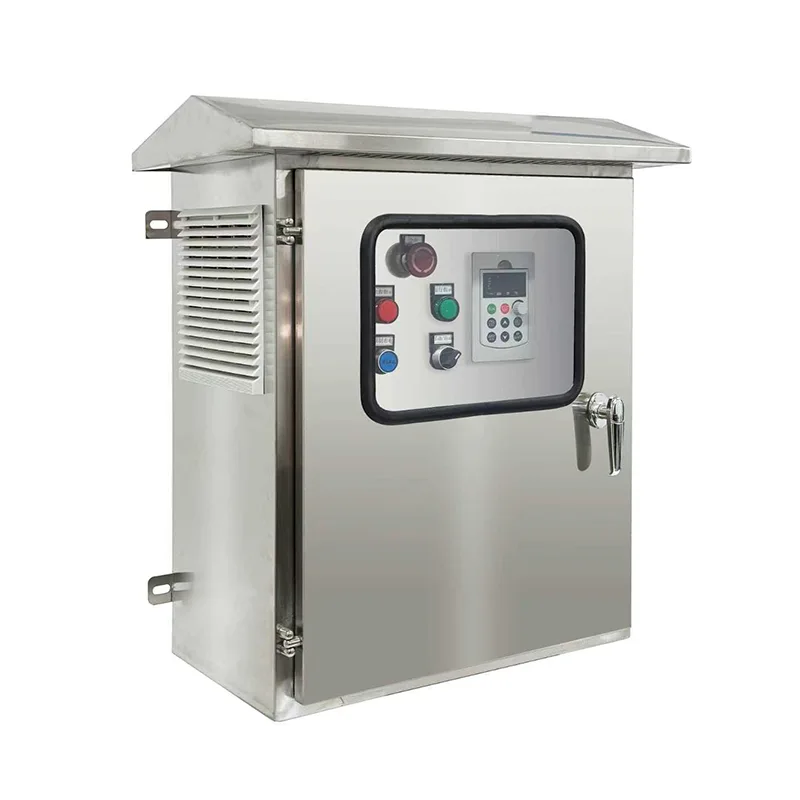
A pump control system is an integrated arrangement of electrical components, sensors, controllers, switching devices, protection functions, and operating logic used to manage one or more pumps.
Depending on the application, the system may control starting and stopping, motor speed, pressure, flow, liquid level, pump sequencing, overload protection, alarms, and communication with a larger automation platform.
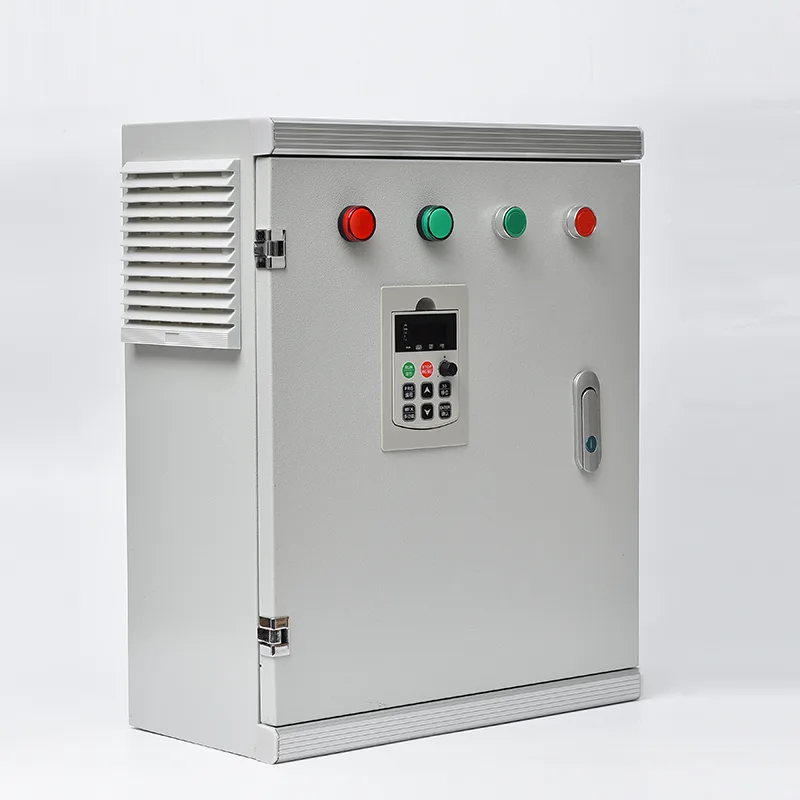
A basic installation may use a control panel with contactors, overload protection, level switches, and manual or automatic operating modes. More advanced systems can incorporate variable frequency drives, programmable logic controllers, pressure transmitters, remote monitoring, and automatic lead-lag pump sequencing.
The appropriate configuration depends on factors such as pump motor capacity, fluid characteristics, required pressure, flow demand, operating environment, number of pumps, control philosophy, and communication requirements.
3. Key Components of a Pump Control System
A reliable pump control solution normally combines several components rather than relying on a single device. Each component has a specific role in ensuring that the pump responds correctly to operating conditions.
| Component | Primary Function | Why It Matters |
|---|---|---|
| Control Panel | Centralizes electrical and control functions | Provides organized operation, protection, and maintenance access |
| Controller / PLC | Processes signals and executes control logic | Enables automatic and programmable operation |
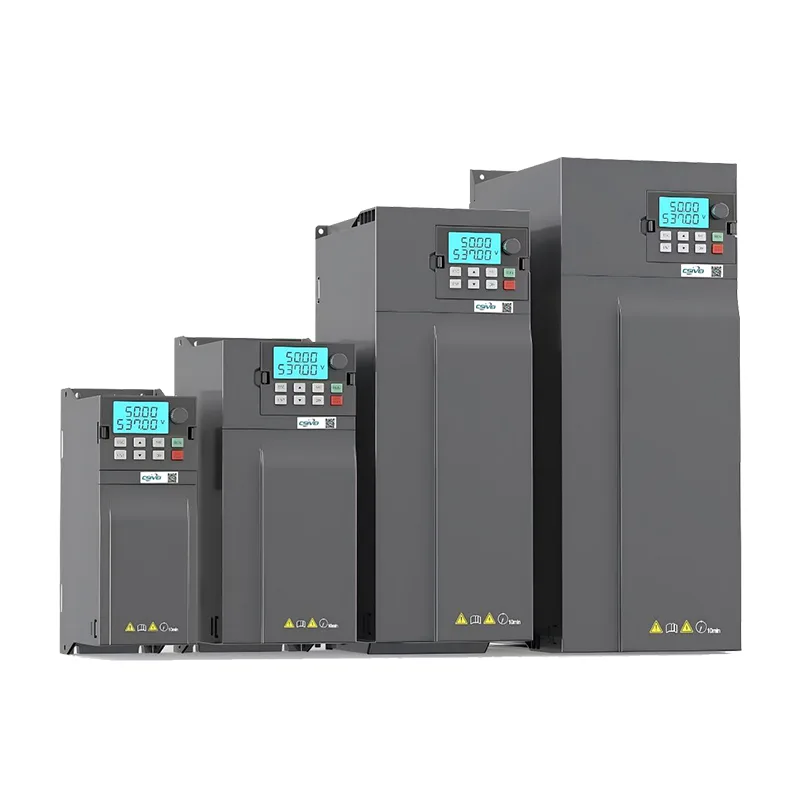
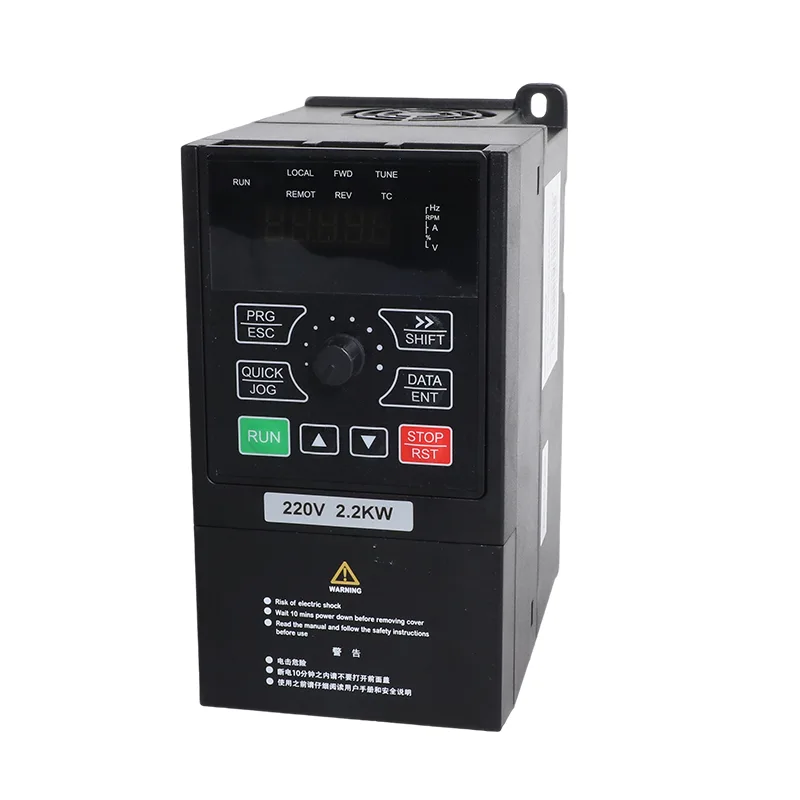
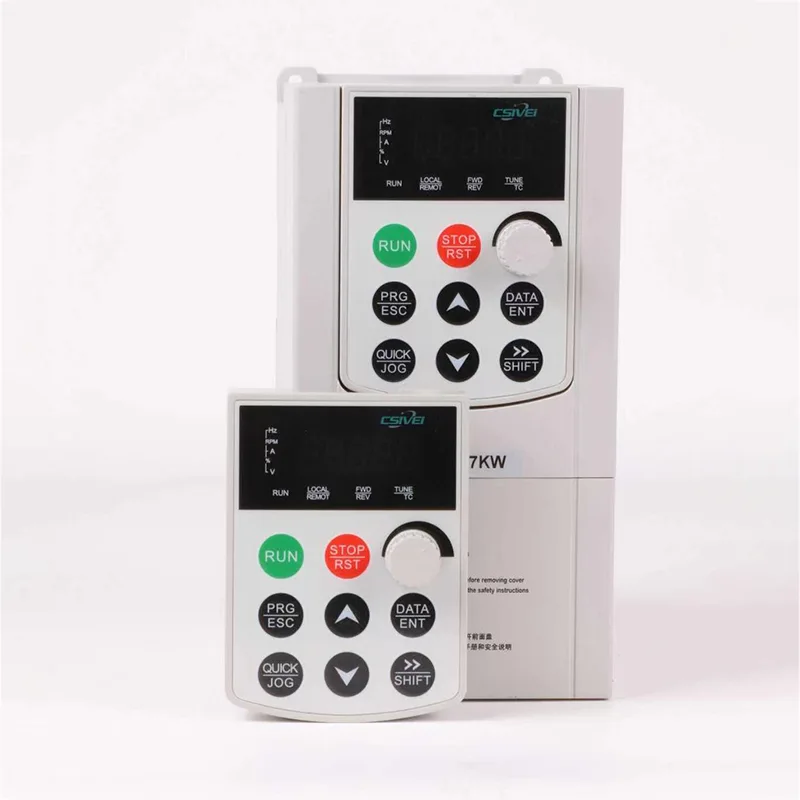
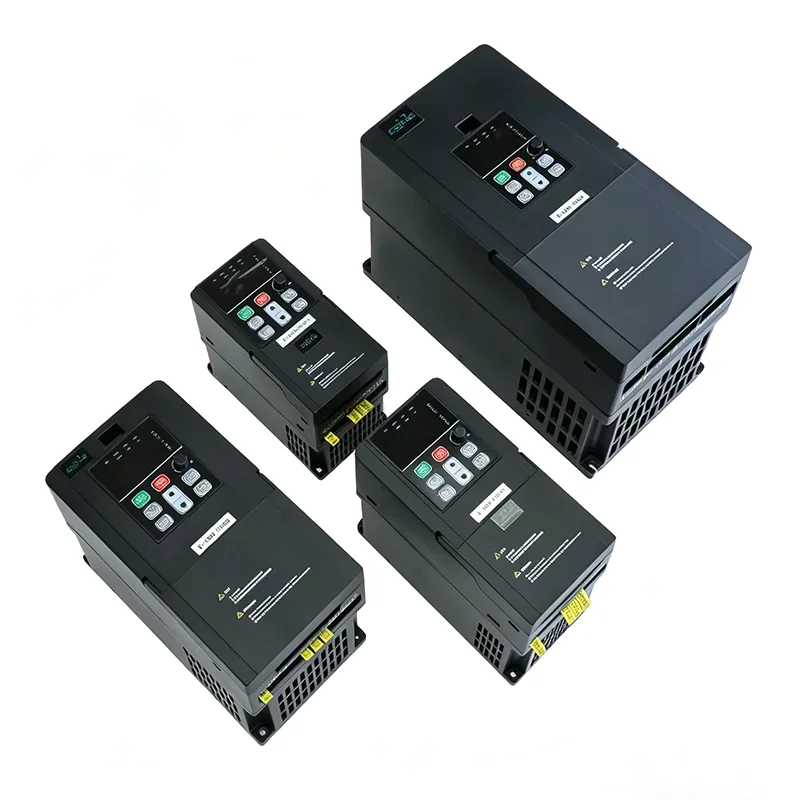
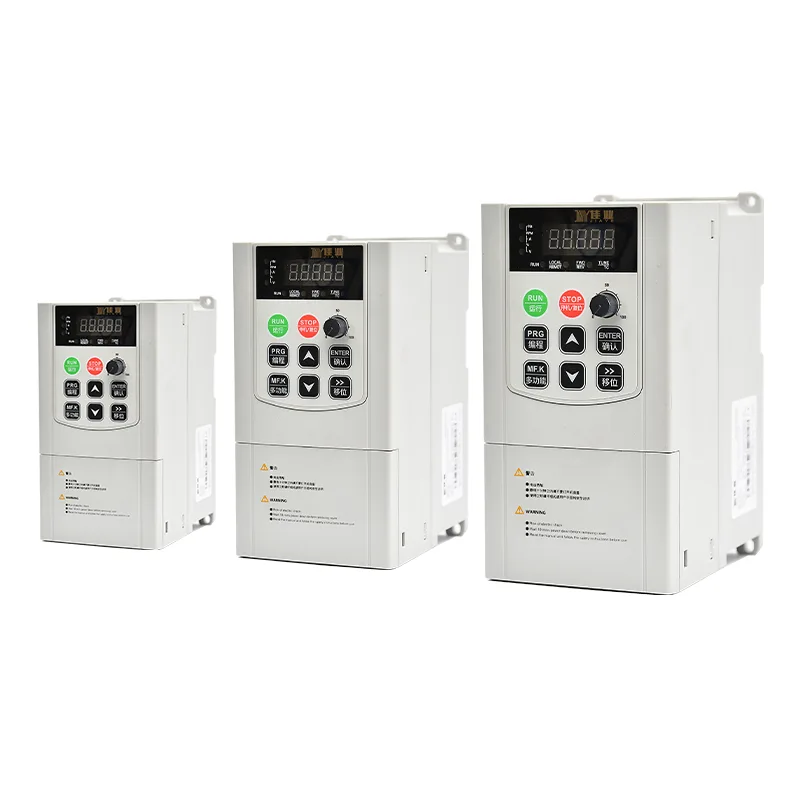
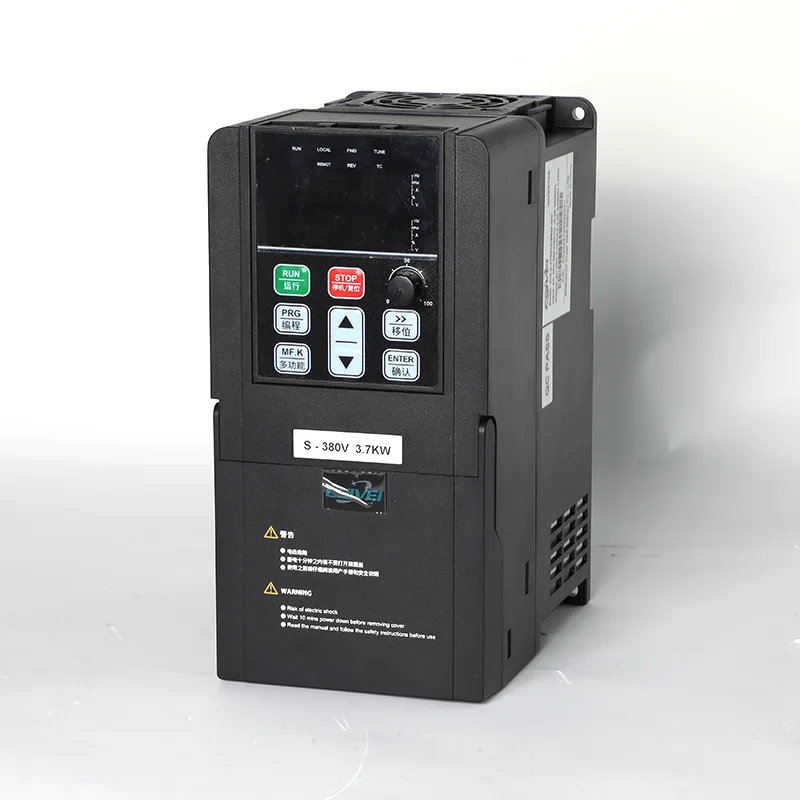
| Variable Frequency Drive | Adjusts motor speed | Helps match pump output with changing demand |
| Pressure Sensor | Measures system pressure | Allows closed-loop pressure control |
| Level Sensor or Switch | Detects liquid level | Supports automatic filling, draining, and dry-run protection |
| Motor Protection | Protects against overload and abnormal electrical conditions | Reduces the risk of motor damage |
| Contactors / Relays | Switch electrical loads | Provide reliable motor switching and control |
| Alarm Functions | Reports faults or abnormal conditions | Helps operators respond before minor issues become major failures |
Not every project requires every component. A good engineering approach begins with the actual operating requirements and then selects the necessary control architecture.
4. How Pump Control Systems Work
The operating principle can be understood as a continuous cycle of measurement, decision, action, and feedback.
- Measurement: Sensors detect pressure, flow, temperature, liquid level, or another relevant process condition.
- Decision: The controller compares the measured condition with the configured operating requirements.
- Action: The system starts, stops, speeds up, slows down, or switches pumps according to the programmed logic.
- Protection: Electrical and process protection functions react to overload, dry running, abnormal pressure, phase problems, or other defined faults.
- Feedback: New operating data is continuously measured so the controller can make further adjustments.
For example, consider a water supply system that needs to maintain a relatively stable pressure despite changing consumption. When demand increases, pressure may begin to fall. A pressure sensor sends updated information to the controller, which can increase pump speed through a variable frequency drive. When demand decreases, the system can reduce speed rather than continuing to operate at maximum output.
This feedback-based approach is particularly useful when demand varies significantly. It can make the pumping process more responsive while reducing unnecessary operation.
5. Major Benefits of Pump Control Systems
1. Better energy management
Pump motors can consume substantial amounts of electricity, especially in systems operating for long periods. Matching pump output with actual demand can reduce unnecessary motor operation and improve overall energy management.
2. More stable pressure and flow
Automatic control can respond to changing process conditions more consistently than manual intervention. This is especially valuable where pressure or flow stability directly affects production quality or user comfort.
3. Reduced equipment stress
Frequent hard starts and sudden operating changes can place additional stress on motors, pumps, couplings, pipelines, and valves. Appropriate starting and speed-control strategies can help create smoother operation.
4. Improved equipment protection
Protection functions can identify conditions such as overload, dry running, phase loss, abnormal current, or other configured faults. Early intervention can reduce the likelihood of expensive equipment damage.
5. Lower maintenance pressure
When operating conditions are better controlled, unnecessary mechanical and electrical stress may be reduced. Fault alarms and operating records can also make troubleshooting more systematic.
6. Easier multi-pump management
For systems with several pumps, automatic sequencing can distribute operating hours, bring additional pumps online when demand increases, and remove pumps from service when demand falls.
6. Where Pump Control Systems Are Commonly Used
The flexibility of pump control makes these systems suitable for many industries and infrastructure projects.
- Water supply: Maintaining pressure in residential, commercial, and industrial water distribution systems.
- Water and wastewater treatment: Controlling transfer, dosing, drainage, circulation, and lifting pumps.
- Building services: Managing booster pumps, water circulation, drainage, and HVAC-related pumping.
- Agricultural irrigation: Adjusting pump operation according to irrigation demand and water conditions.
- Manufacturing: Supporting process cooling, circulation, cleaning, and fluid transfer.
- Mining and heavy industry: Managing demanding pumping applications where reliability and protection are particularly important.
- Fire and emergency systems: Coordinating dedicated pump equipment according to the required system architecture and applicable regulations.
Because these applications differ considerably, a control system should not be selected based solely on motor power or panel appearance. The operating sequence and process requirements are equally important.
7. Manual Pump Operation vs. Automated Pump Control
| Consideration | Manual Operation | Automated Control |
|---|---|---|
| Starting and stopping | Requires operator intervention | Can respond automatically to configured conditions |
| Changing demand | May require frequent adjustment | Can automatically adapt within system limits |
| Pressure control | Less consistent | Can use sensor feedback and programmed logic |
| Fault response | Often depends on operator awareness | Can trigger protection and alarm functions |
| Multi-pump coordination | More complicated for operators | Can implement sequencing and rotation logic |
| Data visibility | Usually limited | Can support monitoring and communication systems |
Manual control can remain appropriate for simple installations, but automation becomes increasingly valuable as system complexity, operating hours, pump quantity, and process requirements increase.
8. How to Evaluate a Pump Control System Before Purchasing
Choosing a pump control system should begin with the application rather than with a generic product specification. Buyers should first understand what the system needs to accomplish.
- Define the pump and motor parameters. Confirm motor power, voltage, frequency, rated current, starting characteristics, and the number of pumps.
- Identify the control target. Determine whether the main requirement is pressure, flow, level, temperature, timed operation, or another process variable.
- Understand operating conditions. Consider indoor or outdoor installation, ambient temperature, humidity, dust, vibration, and enclosure requirements.
- Determine the required control mode. Decide whether the application needs simple start/stop control, variable-speed regulation, sequential operation, or a more advanced programmable system.
- Check protection requirements. Ask how the system handles overload, dry running, phase abnormalities, motor faults, and other application-specific risks.
- Consider communication. For larger installations, determine whether communication with PLCs, SCADA systems, building management systems, or remote monitoring platforms is required.
- Review future expansion. A system that meets today's requirements but cannot accommodate additional pumps or sensors may create unnecessary replacement costs later.
Purchasing tip: Do not evaluate a control panel only by its initial price. Consider installation, commissioning, energy use, maintenance, spare parts, troubleshooting, and expected service life as part of the total project cost.
9. Common Pump Control System Problems and Selection Mistakes
Many control problems originate before the equipment is installed. A system can contain high-quality electrical components and still perform poorly if the control philosophy does not match the pumping application.
- Oversizing without justification: Selecting components far beyond the actual operating requirements can increase cost without creating proportional benefits.
- Ignoring sensor quality: Poor or incorrectly positioned sensors can lead to unstable control because the controller is responding to inaccurate information.
- Insufficient motor protection: A control system should account for the electrical characteristics and protection needs of the connected motor.
- Inadequate environmental protection: Panels installed in humid, dusty, hot, or corrosive environments require suitable enclosure and component selection.
- Poor sequencing logic: Multi-pump systems need clearly defined lead, lag, standby, and fault-handling strategies.
- Limited documentation: Wiring diagrams, parameter records, operating instructions, and troubleshooting information are valuable for future maintenance.
- Focusing only on hardware: The quality of programming, commissioning, testing, and technical support can be just as important as the physical components.
A practical supplier should therefore be able to discuss the entire control process rather than simply quote a panel based on motor power.
10. Maintenance and Long-Term Performance
Even a well-designed pump control system requires appropriate maintenance. Preventive inspection helps identify loose connections, abnormal temperatures, dust accumulation, sensor problems, and other conditions before they cause downtime.
| Inspection Area | Recommended Focus |
|---|---|
| Electrical connections | Check for looseness, overheating, or signs of abnormal contact. |
| Sensors | Verify readings and inspect installation condition. |
| Control parameters | Record and verify important settings after commissioning or modification. |
| Cooling and ventilation | Keep ventilation paths and relevant components clean and unobstructed. |
| Alarms | Review recurring faults instead of repeatedly resetting them without investigation. |
| Motor and pump condition | Monitor vibration, temperature, noise, current, and other relevant operating indicators. |
Maintenance intervals should be adapted to the equipment, environment, operating hours, manufacturer recommendations, and criticality of the application.
11. Working With an Experienced Pump Control System Manufacturer
The supplier can have a significant influence on the final performance of a pumping control project. A manufacturer with practical automation experience should be able to understand the relationship between the pump, motor, sensors, control logic, electrical protection, and end-use requirements.
Zhejiang Csivei Automation Co., Ltd. can be considered as a technical partner for customers seeking pump control solutions tailored to specific operating requirements. For project-based applications, the important question is not simply whether a supplier has a standard control product, but whether the supplier can understand the customer's process and configure the system appropriately.
For buyers, useful discussions with a potential supplier should cover the following points:
- What pump and motor information is required before system design?
- Can the control logic be adapted to different operating sequences?
- How are overload, dry running, and other abnormal conditions handled?
- Can multiple pumps be coordinated automatically?
- What sensors and communication interfaces are supported?
- How is the control cabinet tested before shipment?
- What documentation is supplied for installation and maintenance?
- What technical support is available during commissioning?
Clear answers to these questions help buyers distinguish between a basic equipment quotation and a genuinely application-oriented control solution.
12. Frequently Asked Questions
Its main purpose is to manage pump operation according to actual system requirements while improving operational stability, equipment protection, and control efficiency.
It can help reduce unnecessary energy use when the control strategy allows pump output to follow changing demand. Actual savings depend on the pump, duty cycle, hydraulic system, motor efficiency, and control method.
A variable frequency drive can adjust motor speed. In applications with variable demand, this can provide more flexible control than operating a motor continuously at a fixed speed.
Yes. A properly designed system can coordinate multiple pumps through sequencing, lead-lag rotation, standby operation, and fault-handling logic, depending on the project requirements.
Useful information includes pump quantity, motor power, voltage, frequency, rated current, desired pressure or flow, control method, sensor requirements, installation environment, communication needs, and the intended operating sequence.
Yes. They are widely applicable to industrial water supply, process circulation, wastewater handling, cooling systems, irrigation, fluid transfer, and other pumping processes. The system should be engineered according to the specific operating environment and applicable requirements.
Both are important. Reliable hardware provides the electrical foundation, while appropriate control logic determines how the system responds to changing conditions, faults, and operating demands.
13. Final Considerations
Pump control systems have evolved from simple motor switching arrangements into sophisticated solutions capable of coordinating pumps, sensors, protection devices, variable-speed drives, and communication interfaces.
For customers, the greatest value comes from selecting a system that reflects the actual application. A properly designed solution can help stabilize pressure and flow, reduce unnecessary pump operation, protect motors and pumps, simplify multi-pump management, and provide operators with better visibility into system performance.
The right purchasing decision should therefore consider much more than the control cabinet itself. Pump characteristics, hydraulic demand, electrical requirements, environmental conditions, protection functions, control logic, future expansion, documentation, commissioning, and technical support should all be evaluated together.
For organizations planning a new pumping project or upgrading an existing installation, working with a capable automation partner can make the difference between a basic control setup and a reliable long-term pumping solution.
Looking for a Pump Control Solution?
If you are planning a new pumping project, upgrading an existing control panel, or looking for a more application-specific automation solution, Zhejiang Csivei Automation Co., Ltd. can help evaluate your requirements and develop a suitable approach.
Share your pump specifications, operating conditions, control requirements, and project goals with our team. Contact us to discuss a pump control system designed around your actual application.