Products
Smart Irrigation Control Box
  • Smart Irrigation Control BoxSmart Irrigation Control Box

Smart Irrigation Control Box

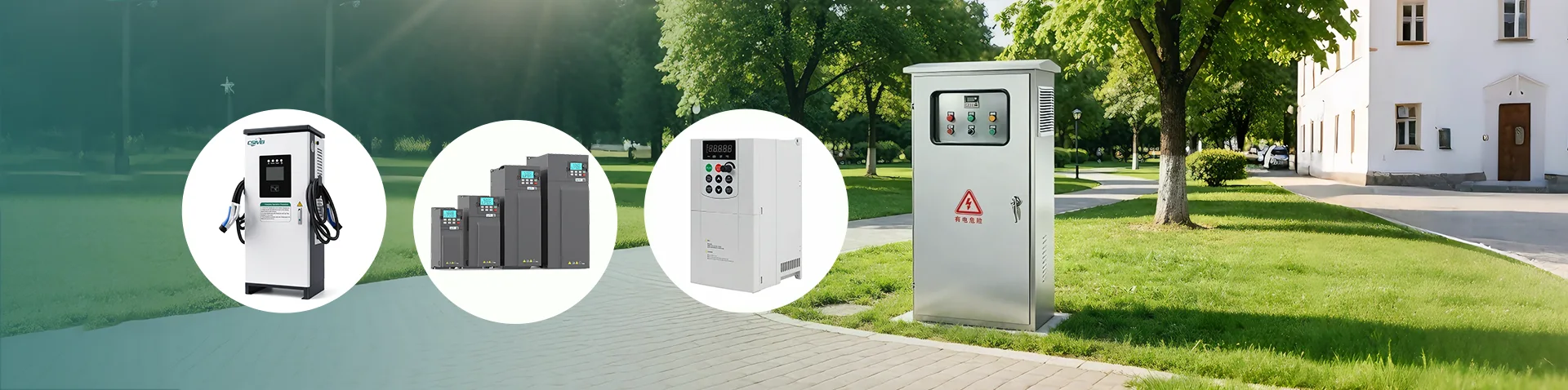
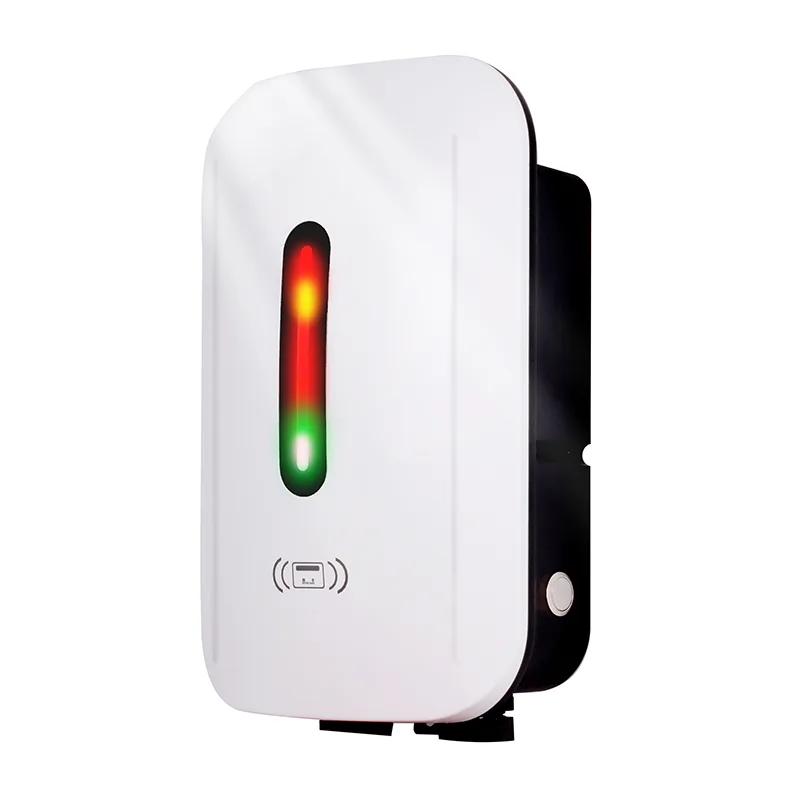
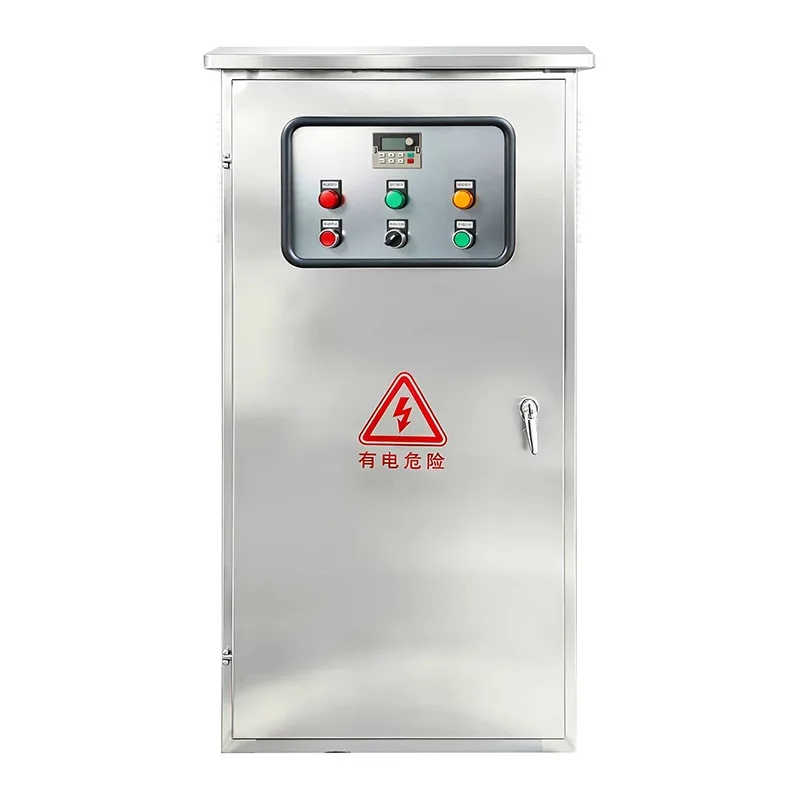
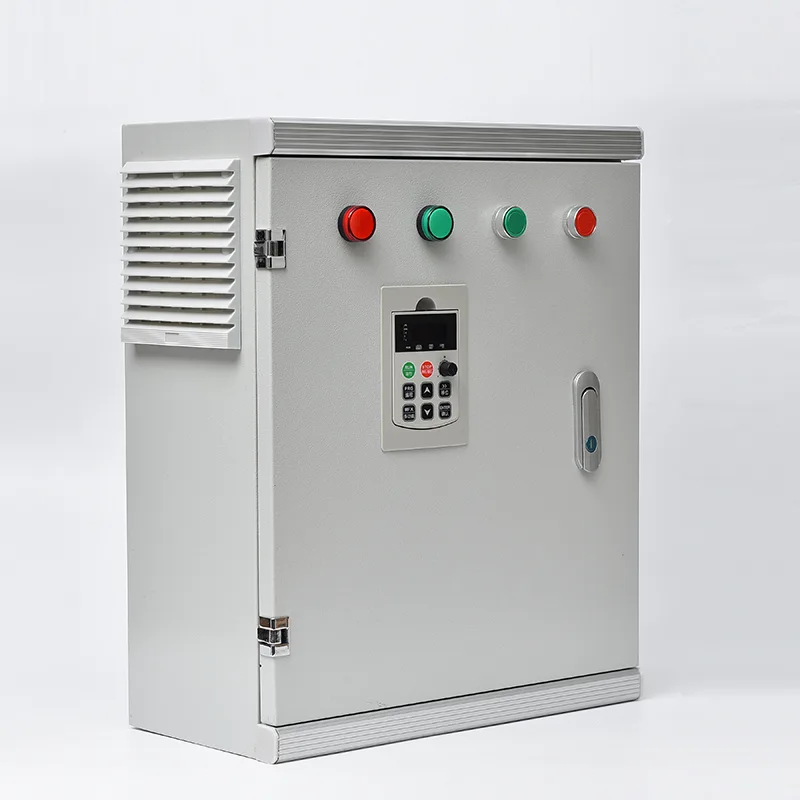
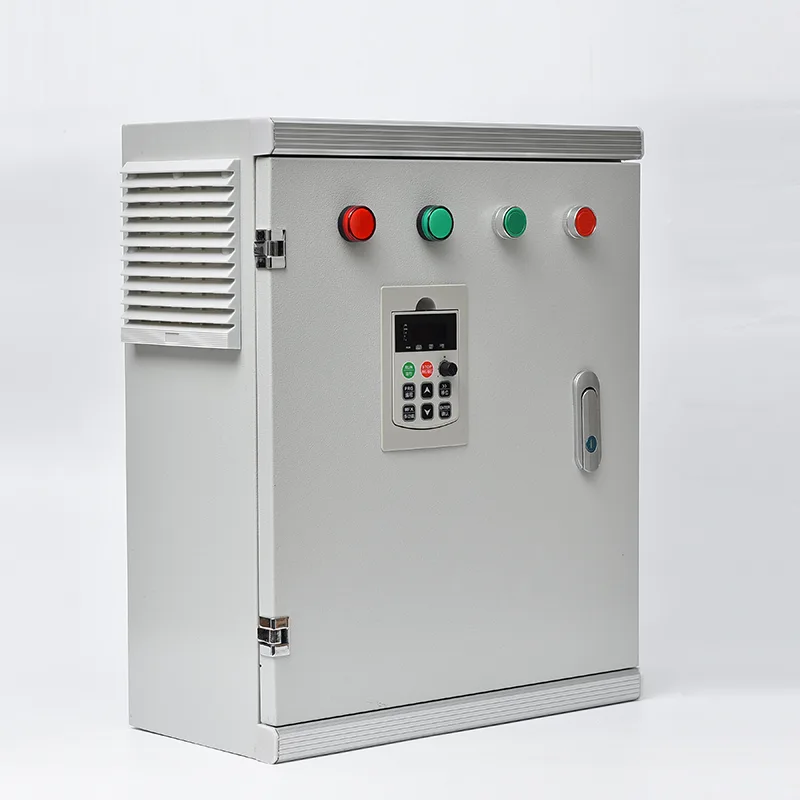
As a dedicated intelligent irrigation equipment manufacturer and supplier from China, our factory delivers the Smart Irrigation Control Box — an integrated control enclosure that automates irrigation scheduling, pump control, valve sequencing, and fertigation injection based on real-time soil moisture, weather conditions, and crop water requirements. Combining IoT connectivity, multi-sensor input processing, and rugged outdoor-ready construction, it enables growers to reduce water consumption, cut labour costs, and improve crop yield through data-driven precision management. Backed by in-house engineering and certified production, we provide a flexible smart irrigation solution that can be customised for projects ranging from a single greenhouse to large-scale agricultural deployments.

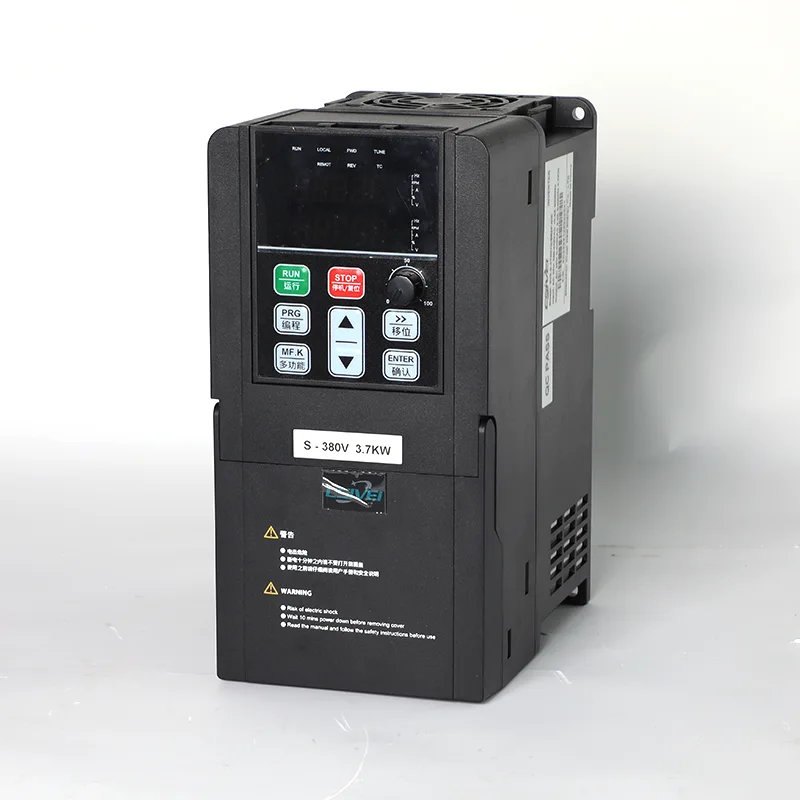
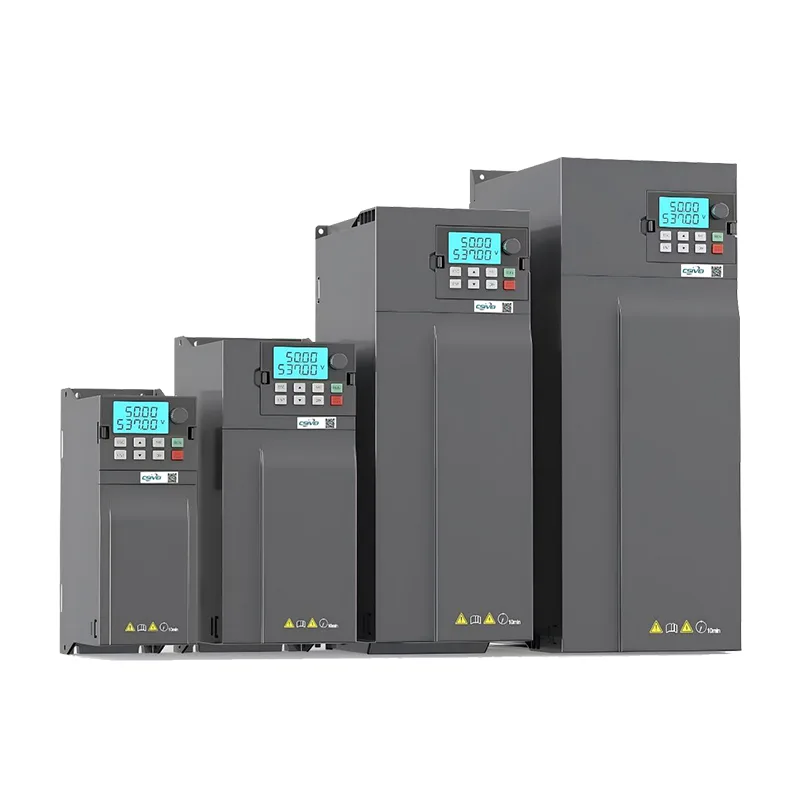
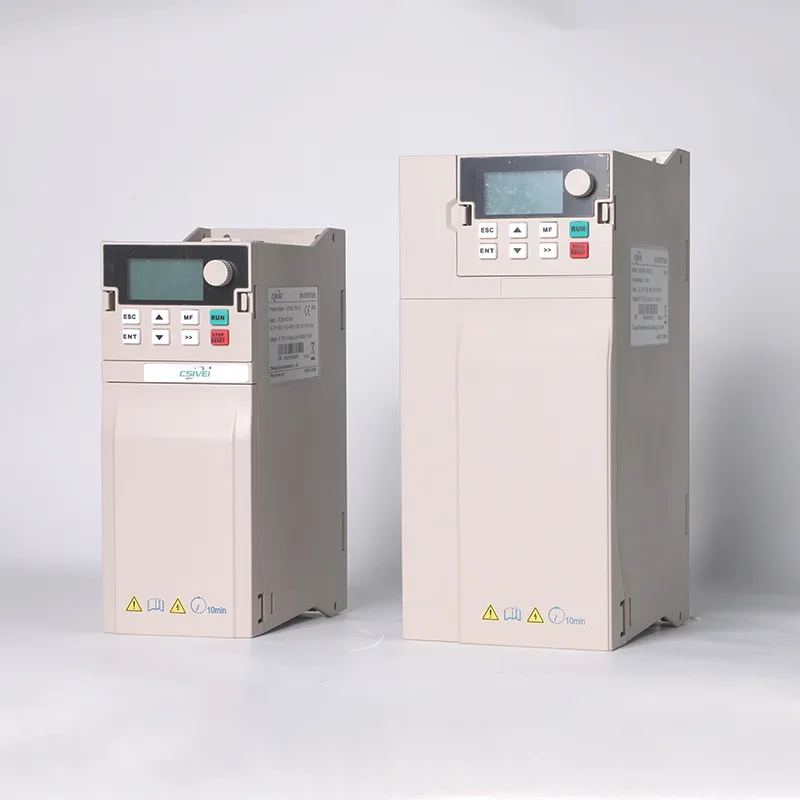
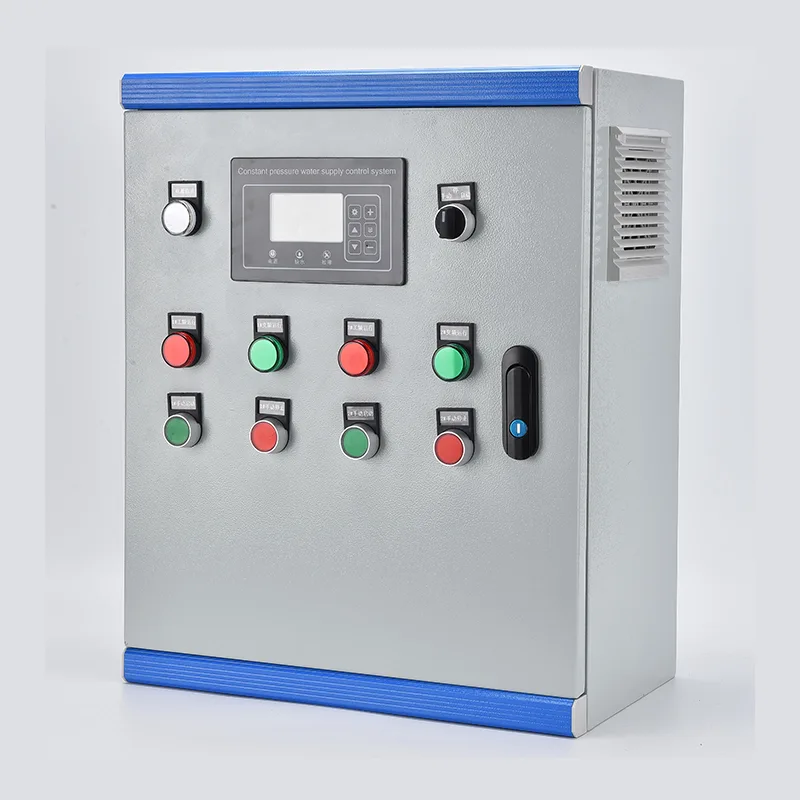
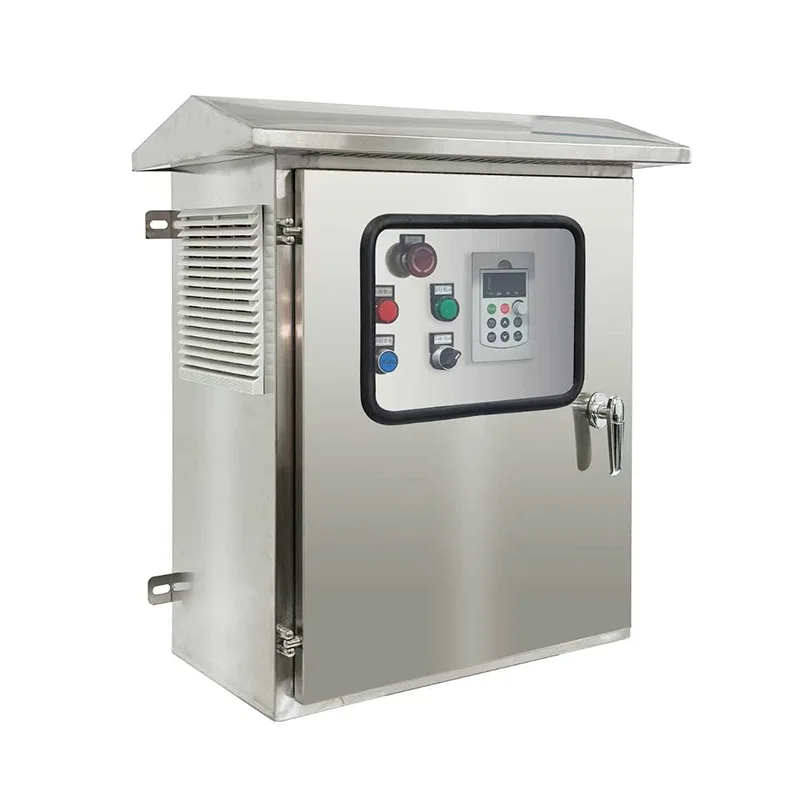
The control box integrates a PLC or dedicated irrigation controller, circuit breakers, pump contactors or VFDs, valve output terminals, a control transformer, and surge protection in a single wall-mount or floor-standing enclosure. It accepts inputs from soil moisture sensors, rain gauges, temperature and humidity sensors, flow meters, and pressure transmitters, then executes programmed irrigation schedules across configurable zones — typically 4 to 120 solenoid valves depending on model — either sequentially or in overlapping groups. Pump start logic ensures the main pump or booster pump engages before any valve opens and shuts down after all valves close, preventing dry running and pressure surges. An integrated 4G/LoRa/Wi-Fi communication module transmits real-time field data and operational status to a cloud platform, where growers can view irrigation history, adjust schedules, and receive fault alarms via smartphone app or web dashboard. Multi-channel fertigation control is available as an option, allowing precise dosing of liquid fertiliser or acid through configurable injection pumps based on target EC and pH values. The enclosure is fabricated from galvanised or stainless steel with weatherproof powder coating, rated IP55 or above for outdoor installation. Solar power compatibility with battery backup is available for off-grid sites, while standard AC models cover 110 V to 415 V single-phase or three-phase supplies.


Ideal Applications

From small horticultural tunnels to vast orchard operations, the Smart Irrigation Control Box replaces manual irrigation and guesswork with automated, sensor-driven water management that responds to what the crop actually needs.


Agricultural Irrigation & Broadacre Cropping

Large-scale field crops, orchards, and vineyards benefit from multi-zone automated irrigation that manages dozens of solenoid valves across the property. The controller sequences zones one at a time to maintain stable system pressure while delivering water according to soil moisture thresholds, crop growth stage, and local evapotranspiration data. Flow meter integration provides real-time confirmation that each irrigation cycle delivered the intended volume, flagging blockages or pipe breaks immediately.


Greenhouse & Protected Cropping

Greenhouse environments demand precise control of water and nutrients in a confined growing space. The control box integrates with environmental sensors — temperature, humidity, light intensity, and substrate moisture — to trigger irrigation based on plant demand rather than fixed timers. Multi-channel fertigation injectors dose liquid fertiliser and pH adjusters under closed-loop EC/pH control, ensuring each crop receives the exact nutrient recipe at the right concentration. Remote access allows growers to monitor multiple greenhouse bays from a single smartphone.


Landscape & Municipal Green Space

Parks, sports fields, golf courses, and roadside landscaping operated by municipal authorities require reliable, programmable irrigation across dispersed sites. The control box manages multiple solenoid valve stations on a time-based or sensor-triggered schedule, with rain sensor input automatically suspending irrigation during wet weather to avoid water waste. 4G connectivity enables centralised management from a city operations centre, reducing the need for maintenance crews to visit each site.


Solar-Powered Remote Farms

Many agricultural sites lack reliable grid electricity. The control box can be configured with a solar panel array, battery bank, and low-power DC latching solenoid valve outputs for fully autonomous off-grid operation. The controller manages pump start (from a solar-powered borehole or tank feed), zoned valve sequencing, and data transmission — all powered by the on-site photovoltaic system.


Horticulture, Nurseries & Specialty Crops

Container nurseries, berry farms, and cut-flower operations frequently irrigate small zones with different crop types, each requiring distinct watering regimes. The control box supports programmed schedules per zone with independent start times, run durations, and fertigation recipes. Soil moisture-based override prevents over-watering of sensitive crops, while frost-protection sprinkler sequences can be triggered by temperature sensor thresholds.


Irrigation Districts & Communal Schemes

In regions where water is allocated by volume or time to individual growers, the control box supports IC card or RFID user authentication for agricultural water metering. Each user's consumption is logged and uploaded to the management platform, enabling fee-based water allocation, annual withdrawal limits, and automated pump shutoff when quotas are exceeded.


3.Technical Deep Dive

The Smart Irrigation Control Box combines PLC-based sequencing, multi-sensor input processing, and industrial-grade power management into a single factory-tested enclosure, delivering reliable, unattended irrigation automation across diverse field conditions.


Controller Core and Programming Logic

The control box is built around an industrial PLC or dedicated irrigation controller with configurable I/O. The controller executes irrigation programs that define which zones activate, in what order, for how long, and under what start conditions. Scheduling options include time-based (specific days and times), sensor-based (soil moisture threshold, rain detection), and interval-based (every N hours or days). The controller also manages pump start logic: the main pump relay closes before the first valve solenoid energises, and remains closed until the last valve closes plus a configurable run-on period to flush the mainline. This sequencing prevents valve opening against a dry pump, eliminates water hammer from abrupt starts and stops, and protects the pump from dead-head operation. For multi-zone operation, an adjustable inter-zone delay allows system pressure to stabilise between valve transitions.


Sensor Input and Environmental Monitoring

The control box accepts a range of field sensor inputs: analogue 4–20 mA or 0–10 V signals from soil moisture probes, pressure transmitters, and flow meters; digital pulse inputs from flow meters and rain gauges; digital on/off inputs from float switches and pressure switches; and RS485 Modbus RTU data from multi-parameter soil sensors measuring moisture, temperature, and electrical conductivity. The controller continuously scans all inputs, comparing readings against user-defined thresholds. If soil moisture falls below the target, irrigation is triggered. If rainfall is detected, scheduled irrigation is suspended. If flow rate deviates from the expected range, a pipe-break or blocked-emitter alarm is generated. All sensor data is time-stamped and logged for trend analysis.


Valve and Pump Control Outputs

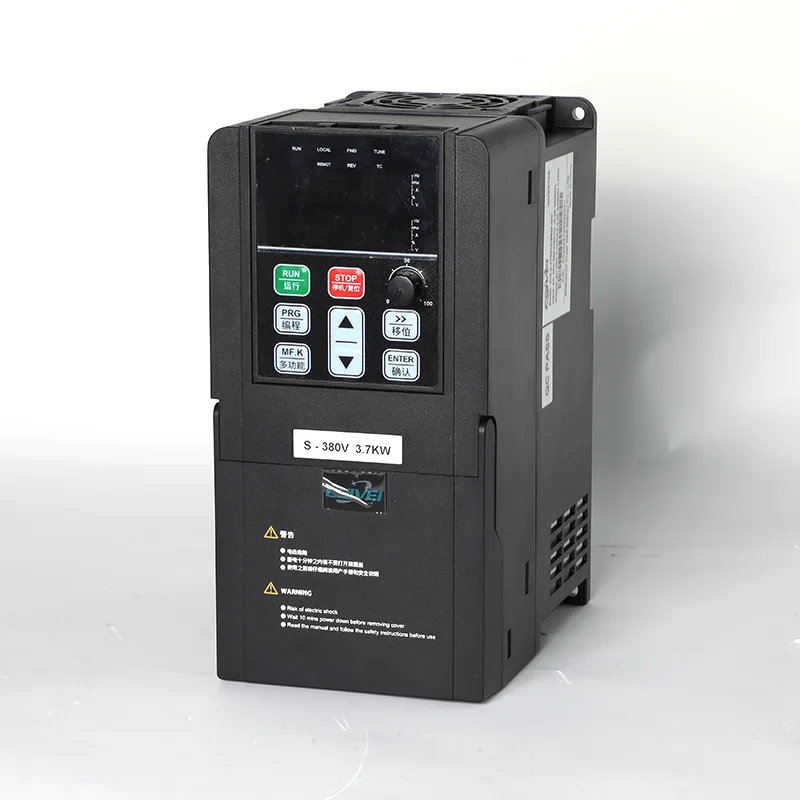
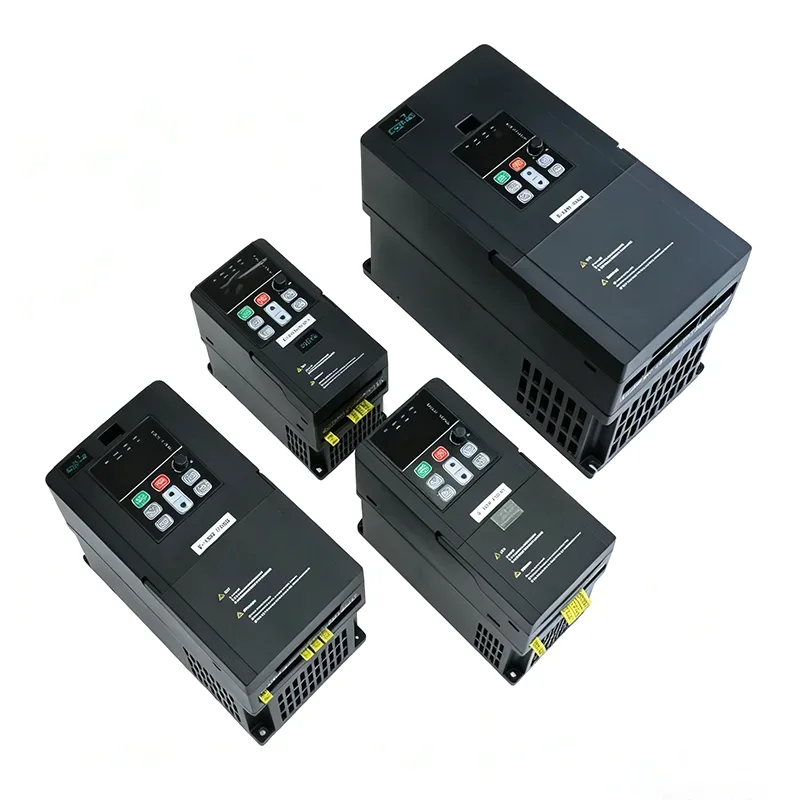
Valve outputs are typically 24 VAC or 12 VDC, compatible with standard irrigation solenoid valves. Output configuration supports both AC latching solenoids (momentary pulse to open/close) and DC latching solenoids for low-power off-grid applications. Pump outputs are relay contacts rated for the pump motor contactor coil or VFD start command. For sites using variable-speed pumps, a 4–20 mA or 0–10 V analogue output provides speed reference to a VFD based on system pressure or flow demand. Each output is individually fused and optically isolated from the controller to prevent field wiring faults from damaging the processor.


Communication and Remote Management

The control box includes a 4G cellular modem, LoRa module, Wi-Fi interface, or Ethernet port depending on site infrastructure. Data is transmitted to a cloud platform using MQTT or HTTP protocol. The platform provides a web dashboard and smartphone app (iOS and Android) for real-time monitoring of all connected sensors and outputs, remote schedule adjustment, manual override of individual valves or pumps, alarm notification via push message or SMS, and historical data graphing of soil moisture, flow, pressure, and irrigation events. For sites with an existing SCADA system, the controller supports Modbus RTU over RS485 or Modbus TCP, exposing all I/O points and configuration parameters for direct integration without the cloud layer.


Fertigation Integration

When the optional fertigation module is included, the control box manages one to four injection channels, each with a dedicated dosing pump or venturi injector. The controller monitors the irrigation mainline flow meter to calculate the required injection rate based on target fertiliser ratio, then modulates the dosing pump to maintain the setpoint. In EC/pH-controlled configurations, sensors in the irrigation mainline or return line provide feedback, and the controller adjusts injection rates via PID loop to maintain nutrient concentration and pH within defined bands. Agitator control outputs keep fertiliser stock tanks mixed.


Power Supply and Off-Grid Configuration

The standard control box operates from single-phase 110–240 VAC or three-phase 380–415 VAC mains supply. A control transformer provides 24 VAC/VDC for the controller and valve outputs. Off-grid configurations integrate an MPPT solar charge controller, a PV array (typically 300 W to 1,000 W), and a deep-cycle battery bank (12 V or 24 V). The controller monitors battery state of charge and can reduce non-critical loads or defer scheduled irrigation if battery voltage falls to a user-defined low-power threshold. DC latching solenoid valves, which consume power only during the momentary open/close pulse, are specified for solar sites to minimise battery capacity requirements.


Enclosure and Environmental Protection

The enclosure is fabricated from 1.5–2.0 mm galvanised steel sheet or grade 304 stainless steel with UV-resistant powder coating. Standard IP55 rating suits outdoor wall mounting or pole mounting on the edge of the irrigated area. For flood-prone or high-humidity environments, IP65 is available. A sunshade canopy is recommended for direct-sun installations in tropical climates. Cable entry is through IP-rated compression glands on the enclosure base. Internal ventilation is passive, with breather drains equalising pressure while excluding moisture and insects. All internal circuit boards are conformally coated to prevent corrosion from humidity and agricultural chemical vapours. Surge protection devices on incoming power and communication lines protect against lightning-induced transients. A door-interlocked main isolator provides safe maintenance access. The controller stores all programs, schedules, and logged data in non-volatile memory, ensuring zero data loss during power interruptions.


4.Frequently Asked Questions

Q1: What types of sensors can the control box connect to?

The control box accepts: soil moisture sensors (tensiometric, capacitance, or TDR type with 4–20 mA, 0–10 V, or Modbus RS485 output), rain gauges (pulse input), flow meters (pulse or 4–20 mA), pressure transmitters (4–20 mA), temperature and humidity sensors (4–20 mA or Modbus), float switches and level transmitters for tanks and reservoirs, and weather station data (via Modbus from an external weather station or cloud API). Our engineers will confirm sensor compatibility during project specification.


Q2: How many irrigation zones can one control box manage?

Standard configurations support 4 to 24 wired zones. Expansion modules allow scaling to 48, 72, or more zones. For very large deployments, wireless remote terminal units communicating via LoRa can control additional valve clusters up to several kilometres from the main control box, allowing centralised management of hundreds of zones across a property.


Q3: Can the control box operate without grid power?

Yes. An off-grid configuration is available with integrated MPPT solar charge controller, PV panels, and deep-cycle battery storage. DC latching solenoid valves are used to minimise power consumption. The controller monitors battery state and will defer non-critical operations if voltage drops to a low-power threshold. This configuration is widely used on remote farms and pastures where running grid power is uneconomical.


Q4: Can I control the irrigation system from my smartphone?

Yes. The control box transmits data to a cloud platform via 4G, Wi-Fi, or Ethernet. You can view real-time soil moisture, flow data, and valve status; start or stop irrigation remotely; adjust schedules and thresholds; and receive alarm notifications via push message or SMS — all from the companion smartphone app or web dashboard.


Q5: How does the controller handle pump protection?

The controller sequences pump start before any valve opens and pump stop after all valves close, preventing dead-head operation. If the flow meter detects no flow despite the pump running, a dry-run alarm is generated and the pump is shut down. Pressure sensor input enables high-pressure and low-pressure trip protection. The pump output can interface with a soft starter or VFD for larger motors.


Q6: What happens to irrigation if communication is lost?

The controller stores all programs and schedules in local non-volatile memory. If communication to the cloud platform is lost, the controller continues to execute its programmed schedule autonomously using its internal real-time clock. Sensor-based start conditions (soil moisture, rain gauge) also continue to operate. When communication is restored, buffered data synchronises to the cloud.


Q7: Can one control box manage both irrigation and fertigation?

Yes. The optional fertigation module manages one to four injection channels with dedicated pump or venturi control. Dosing can be based on time, flow-proportional injection, or closed-loop EC/pH control using feedback from sensors in the irrigation mainline. Agitator outputs keep fertiliser stock tanks in suspension.


Q8: What maintenance does the control box require?

Routine maintenance is minimal: monthly visual inspection of the enclosure and door seal, quarterly check of power terminations for tightness, and annual functional testing of all valve outputs and sensor inputs. If a solar power system is installed, battery terminals and electrolyte levels (for flooded batteries) should be inspected quarterly. The controller itself has no moving parts and requires no scheduled replacement.


5.A Large-Scale Orchard Operation — Automated Multi-Zone Irrigation Deployment

Background

A fruit-growing enterprise in southern Europe managed 180 hectares of stone fruit and citrus orchards across undulating terrain. Irrigation was drawn from several boreholes and a shared reservoir, distributed through a network of mainlines to approximately 90 solenoid valve clusters serving individual orchard blocks. The operation had been irrigating on fixed time schedules managed manually by field workers, who drove between blocks to open and close valves throughout the day and night.


The Challenge

Manual valve operation was labour-intensive and imprecise. Irrigators applied the same run time regardless of soil moisture variation between blocks, leading to over-irrigation in clay-dominant zones and under-irrigation on sandy ridges. During peak summer, the team struggled to complete all scheduled sets within 24 hours. Pump starts were often uncoordinated with valve positions — valves would be opened before the pump was running, causing air locks and water hammer that damaged mainline fittings. The farm's borehole pumps also ran against closed valves at the end of shifts, tripping overloads. Fertiliser injection was handled by a separate manual venturi system with no recording of application rates per block.


The grower wanted a single integrated control system that could manage all valves, pumps, and fertigation, be monitored remotely, and reduce irrigation labour to a supervisory role.


Why Smart Irrigation Control Boxes?

The farm's block layout suggested a centralised architecture: one main control box at the pump shed managing all pump starts and mainline pressure, with LoRa wireless remote terminal units at each satellite valve cluster communicating back to the main controller. This avoided trenching control cables across the orchard.


The control box was configured with six pump output channels (four boreholes, two booster pumps), a pressure transmitter input on the mainline, flow meter inputs on each pump discharge for dry-run protection and totalised flow tracking, and 90 wireless valve outputs across the satellite RTUs. A soil moisture monitoring network was deployed — six multi-depth capacitance probes in representative soil zones — connected to the controller via Modbus RS485.


Fertigation was integrated through three dosing channels, each with a variable-speed injection pump controlled by flow-proportional logic. The controller monitored the mainline flow meter and adjusted injection rate to maintain a target fertiliser concentration regardless of which blocks were irrigating.


Programming was structured by orchard block, with soil moisture thresholds determining whether a scheduled irrigation cycle would proceed for each block. The rain gauge input automatically suspended all scheduled irrigation for 24 hours after 5 mm of rainfall. All data was transmitted to the cloud platform via 4G, giving the farm manager a single dashboard for the entire operation.


Deployment

Two primary Smart Irrigation Control Boxes were installed at the two main pump sheds, with 16 LoRa wireless RTUs distributed across the orchard. The system controlled six pumps, 90 irrigation valves, and three fertigation channels. Power was grid-supplied at the pump sheds; RTUs were solar-powered with internal batteries. Installation and commissioning were completed over four weeks outside the harvest period, with the farm's existing solenoid valves and pump contactors retained.


Results

●  Irrigation labour was reduced from a four-person field team to one supervisor monitoring the cloud dashboard and performing occasional field inspections.

●  Water consumption decreased by approximately 28% in the first full season, driven by soil moisture-based block scheduling that eliminated unnecessary irrigation on heavier soils.

●  Pump-related maintenance calls dropped significantly: dry-run trips were eliminated by flow-based protection, and water hammer damage to mainline fittings ceased with co-ordinated pump-valve sequencing.

●  Fertiliser use was reduced by 15% through flow-proportional injection, with application records per block now automatically logged for compliance and agronomic review.

●  The farm manager reported that the ability to view the entire irrigation system status on a smartphone — particularly during off-hours and weekends — was a significant operational benefit.

Smart Irrigation Control Box


Hot Tags: Smart Irrigation Control Box, Smart Irrigation Controller, Wifi Irrigation Controller
Send Inquiry
Contact Info

If you have any enquiry about quotation or cooperation, please feel free to email us at sanchia@csivei.com or use the following inquiry form.Our sales representative will contact you within 24 hours. Thank you for your interest in our products.


WhatsApp:8615705777705

Web:www.csiveivfd.com


X
We use cookies to offer you a better browsing experience, analyze site traffic and personalize content. By using this site, you agree to our use of cookies.Privacy Policy
RejectAccept