Products
HVAC Control Panel
  • HVAC Control PanelHVAC Control Panel

HVAC Control Panel

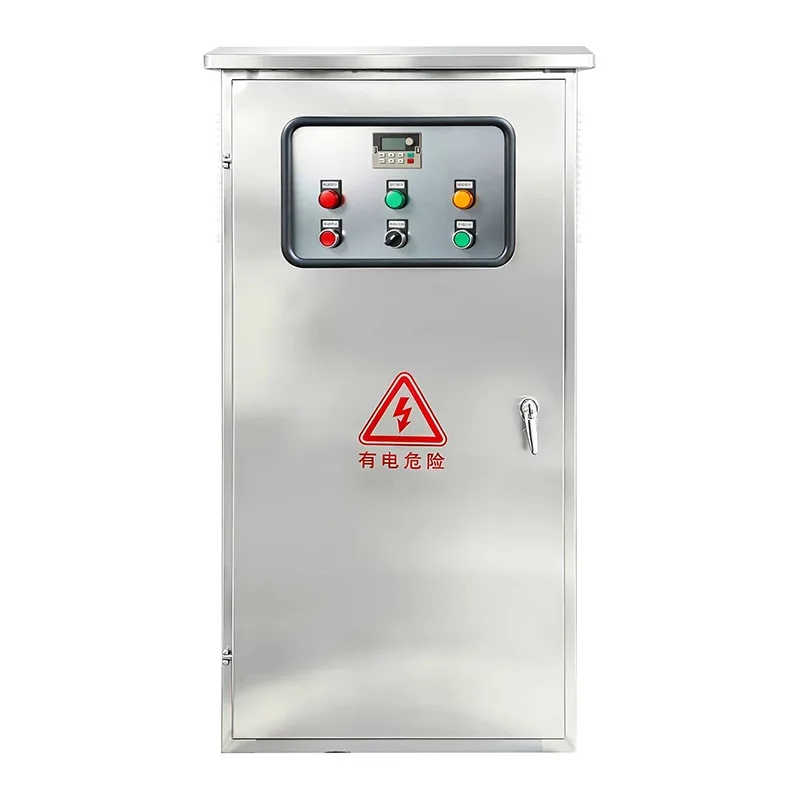
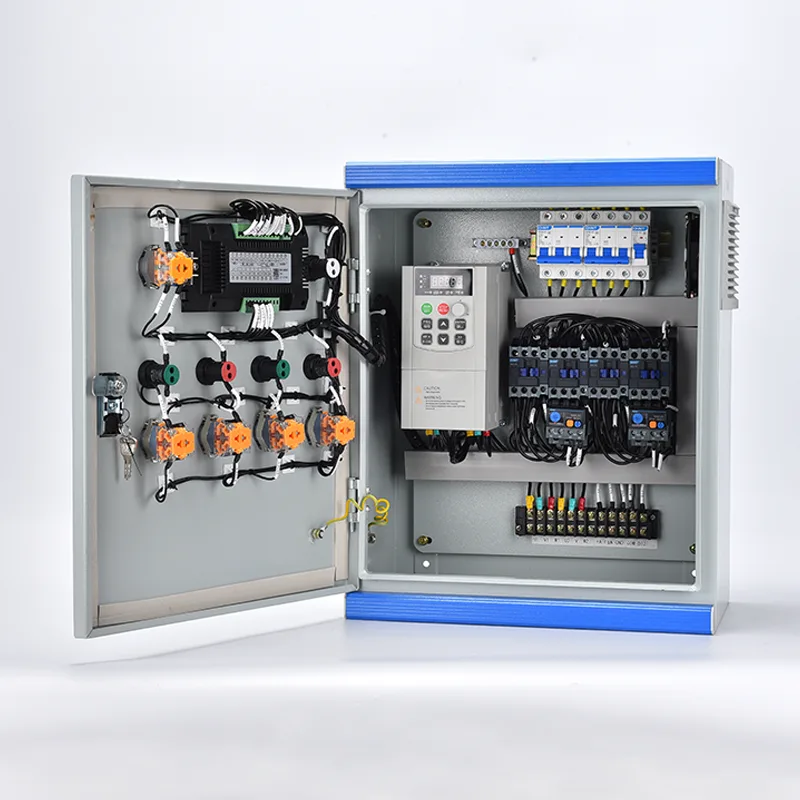
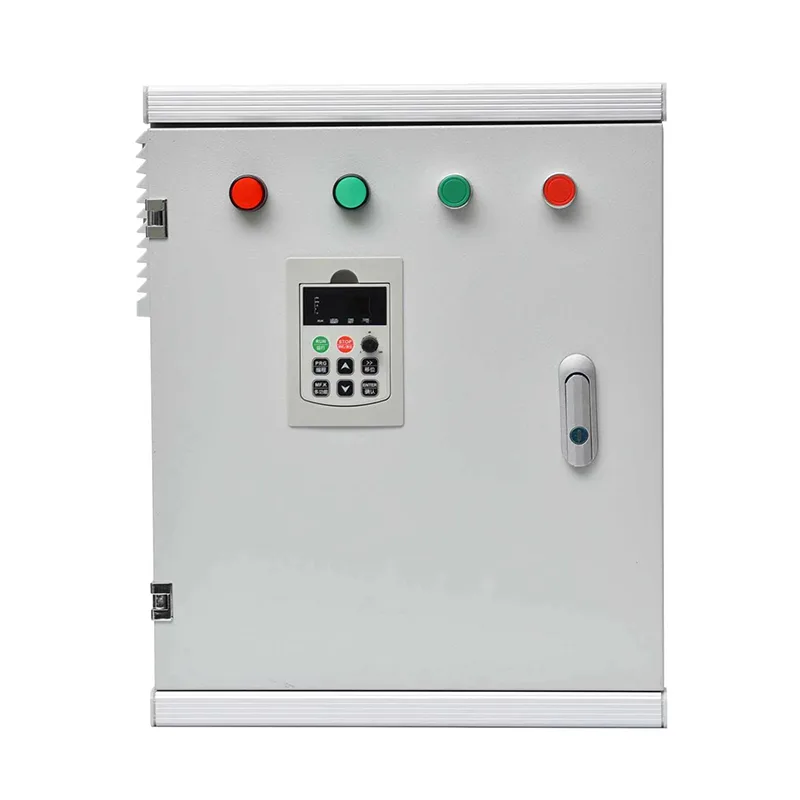
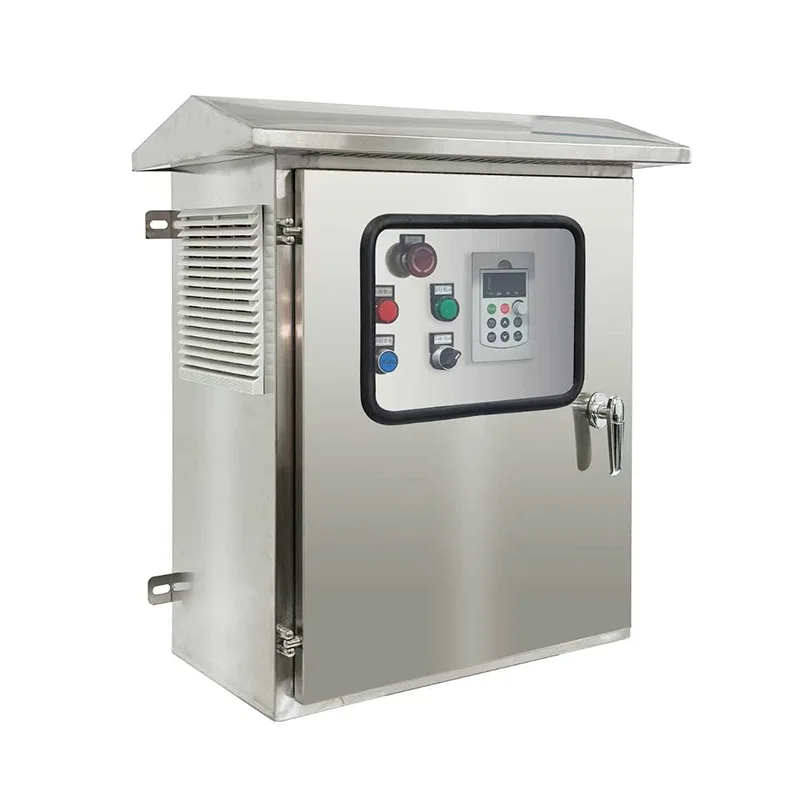
As a professional electrical control panel manufacturer and supplier from China, our factory delivers HVAC Control Panel — purpose-built electrical control and automation enclosures that manage and protect all components within heating, ventilation, and air conditioning systems. Designed for commercial buildings, industrial facilities, data centres, and healthcare environments, these panels integrate motor control, sensor interfaces, system logic, and communication gateways into a single pre-wired, factory-tested assembly. Backed by in-house engineering, PLC/DDC programming capability, and ISO-certified production, our company provides customised, application-specific HVAC control solutions that simplify on-site installation and ensure long-term operational reliability.

Each HVAC Control Panel is engineered to the specific requirements of the mechanical system it governs — whether a single packaged air handling unit, a chiller plant with multiple pumps and cooling towers, or a building-wide VAV zone management system. The panel housing accommodates the full electrical infrastructure: incoming power isolation, circuit protection, motor starters (direct-on-line, star-delta, soft starters, or variable frequency drives), control relays, safety interlocks, and a dedicated controller — typically a PLC or DDC — with field sensor terminals for temperature, humidity, pressure, flow, and air quality inputs. A door-mounted HMI touchscreen or keypad display gives operators real-time system visibility and parameter control. Connectivity via BACnet, Modbus, or Ethernet/IP enables seamless integration with building management systems (BMS). Enclosure ratings from IP42 to IP65 suit indoor mechanical rooms, rooftop plant platforms, and exposed outdoor locations. Comprehensive protection schemes cover short circuit, overload, phase loss, under/overvoltage, and earth leakage at every circuit, with compulsory safety interlocks hardwired for fire alarm shutdown, freeze protection, and airflow proof. Full compliance with IEC 61439-1/2, IEC 60364, and regional electrical safety standards is maintained.


Ideal Applications

From a single air handler to a campus-wide central plant, HVAC Control Panels provide the centralised electrical intelligence that keeps mechanical systems running safely, efficiently, and in coordination with the broader building automation network.


Commercial Office Buildings & Mixed-Use Developments

Large office towers, shopping malls, and mixed-use complexes operate multiple air handling units, chillers, cooling towers, and ventilation zones. HVAC control panels centralise the control and protection of each mechanical package — an AHU panel managing supply and return fans, cooling coils, economiser dampers, and filter status, or a chiller plant panel sequencing multiple compressors, primary and secondary pumps, and cooling tower fans. Integration with the building's BMS via BACnet/IP or Modbus allows facilities managers to monitor and adjust all systems from a central workstation.


Industrial & Manufacturing Facilities

Factories, processing plants, and warehouses often require dedicated ventilation and process cooling separate from comfort air conditioning. Control panels in these environments manage high-power exhaust fans, make-up air units, dust collection systems, and process chillers. PLC-based control with industrial communication protocols supports complex interlock logic — such as coordinating ventilation with production line operation or process oven exhaust. Heavy-duty enclosures with enhanced dust and moisture protection handle the challenging ambient conditions.


Data Centres & Mission-Critical Facilities

Data centre cooling is a 24/7 critical function. HVAC control panels managing computer room air handlers (CRAH), computer room air conditioners (CRAC), chilled water pumps, and condenser fans are engineered for redundancy and reliability. Dual-power input, automatic transfer switch integration, and fail-safe alarm outputs ensure cooling continues through utility disturbances. High-accuracy temperature and humidity control, with Modbus/BACnet connectivity to the data centre infrastructure management (DCIM) platform, provides real-time environmental monitoring.


Hospitals & Healthcare Facilities

Operating theatres, isolation rooms, clean rooms, and general wards each demand specific air quality, temperature, humidity, and pressure relationships. HVAC control panels in healthcare settings manage these precise environments. Critical alarm functions — high/low temperature, humidity excursions, airflow loss, and filter status — are hardwired to the building's nurse call or central monitoring system. Panels are designed for ease of maintenance and incorporate isolation facilities allowing service without system shutdown.


Hotels, Resorts & Hospitality

Guest comfort is paramount. HVAC control panels manage central chiller plants, boiler systems, air handlers serving public spaces, and fan coil unit zone controllers across guest floors. Pre-programmed occupancy-based schedules reduce energy consumption during low-occupancy periods while ensuring guest rooms reach comfort setpoints by check-in time.


Educational Campuses & Institutional Buildings

University buildings, schools, and government facilities spread across multiple structures benefit from standardised HVAC control panel platforms. Each building's mechanical room is served by dedicated panels for AHUs, pumps, and terminal units, all networked back to a campus-wide BMS. The approach simplifies maintenance training and spare parts management.


Technical Deep Dive

HVAC Control Panels are engineered as comprehensive power distribution, motor control, and automation assemblies — each custom-designed to match the mechanical equipment schedule and sequences of operation.


Power Distribution and Circuit Protection

The incoming section accepts three-phase power (typically 400V/480V, 50/60Hz) via a lockable main disconnect switch or circuit breaker, with short-circuit withstand rating calculated for the site's available fault current. Downstream distribution is organised by equipment function: separate branches for fans, pumps, compressors, and control circuits. Motor circuit protection is provided by thermal-magnetic circuit breakers or fused disconnectors matched to motor full-load current, with overload relays (electronic or thermal) providing IEC Class 10/20/30 trip curves. Control power — typically 24VAC, 24VDC, or 230VAC — is derived from a dedicated control transformer with independently fused secondary circuits, isolating control electronics from power-side transients.


Motor Control and Starting Methods

Depending on motor size, starting torque requirements, and the mechanical system's tolerance for inrush current, the panel incorporates the appropriate starting method:

●  Direct-on-line (DOL) : for smaller fans and pumps up to approximately 7.5kW

●  Star-delta : for medium-power motors where reduced starting current is required

●  Soft starter : for pumps and fans where smooth ramp-up eliminates water hammer or belt slippage

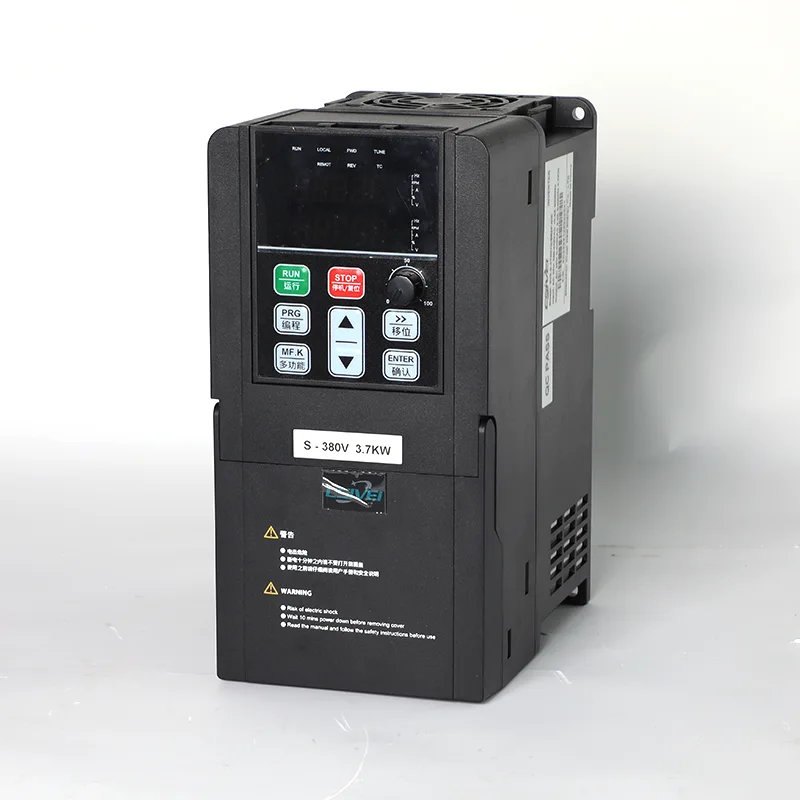
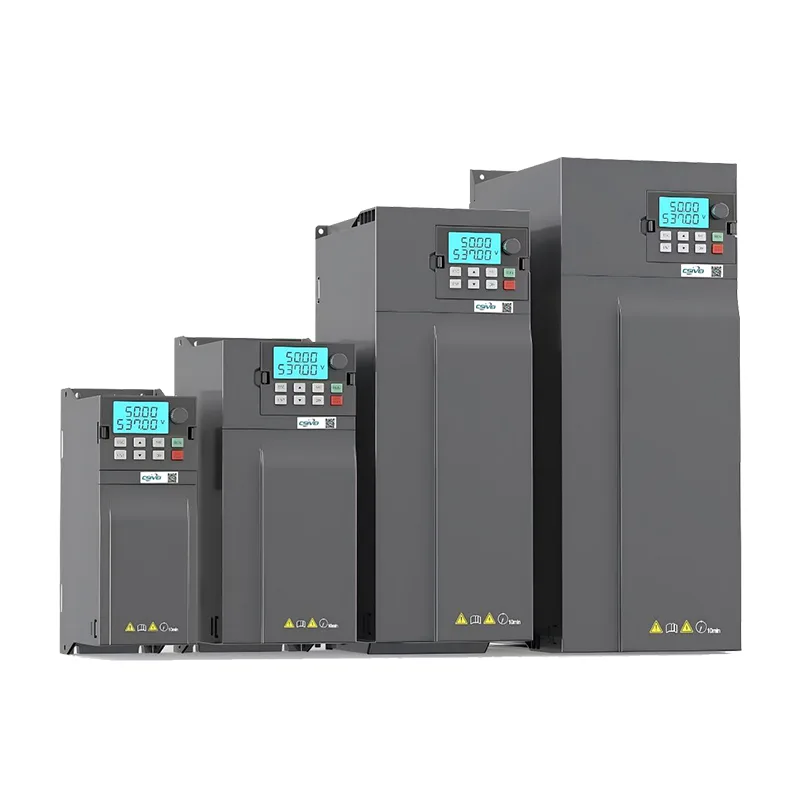
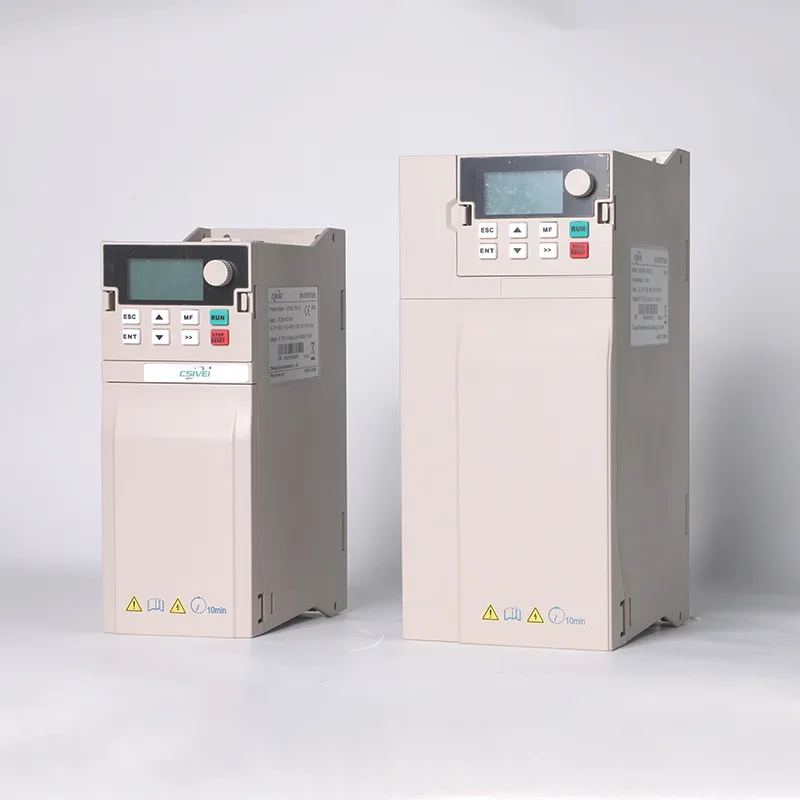
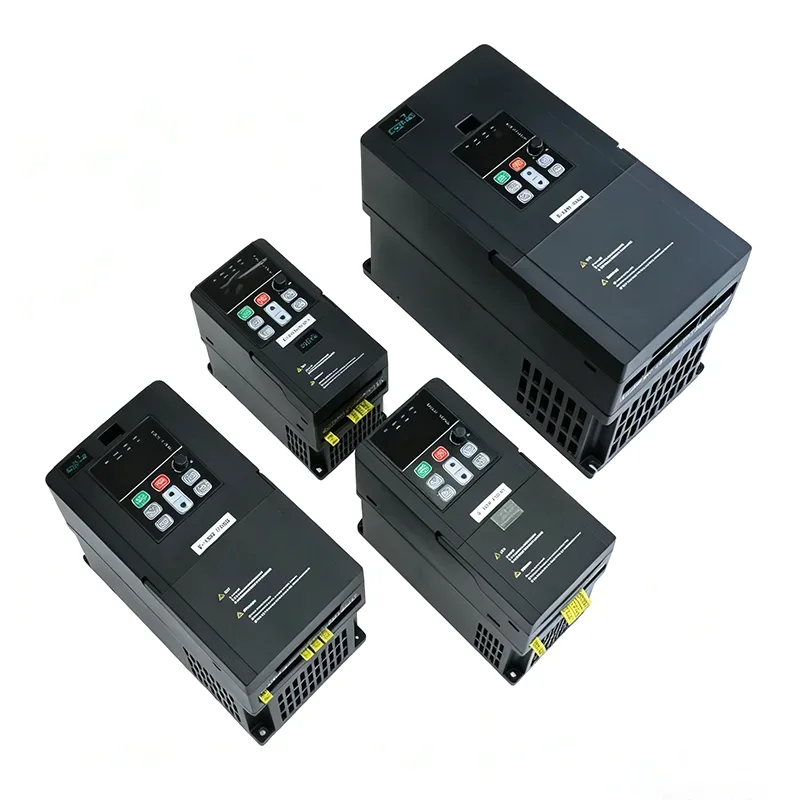
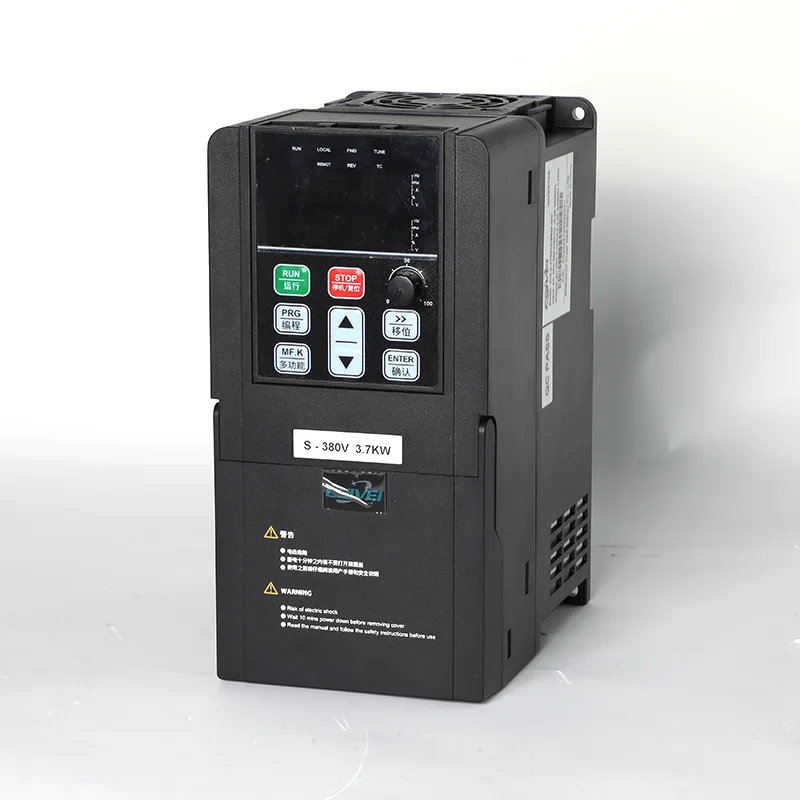
●  Variable frequency drive (VFD) : for applications requiring speed modulation based on demand — such as AHU supply fans controlled by duct static pressure, or secondary chilled water pumps responding to differential pressure across the loop


VFDs are specified with built-in harmonic mitigation (DC link chokes) and output dV/dt filters where cable lengths exceed manufacturer limits. All drives are configured for serial communication with the panel's controller for speed reference and status feedback.


Controller Platform: PLC vs. DDC

The control architecture is selected based on the application's complexity and integration requirements:

●  DDC controllers are typical for commercial HVAC applications integrating into a BMS via native BACnet MS/TP or BACnet/IP. Pre-programmed application libraries cover standard AHU, chiller, and boiler sequences.

●  PLC-based control is specified for industrial environments, complex multi-compressor sequencing, or where the system must interface with non-HVAC equipment such as process machinery. PLC platforms support ladder logic, function block, or structured text programming, with Profinet, Ethernet/IP, or Modbus TCP communication.

●  Both platforms execute the defined sequence of operation: time schedules,temperature/pressure PID loops, start/stop sequencing, alarm generation, and runtime logging.


Sensor Interface and Field Wiring

Dedicated terminal blocks accommodate field wiring from temperature sensors (NTC thermistors, RTD, 4-20mA), pressure transducers and switches, humidity sensors, duct-mounted airflow proving switches, differential pressure switches for filter status, and valve/actuator feedback signals. All analogue inputs are filtered and protected against induced transients. Digital inputs are individually isolated via optocouplers or interposing relays. Sensor failure is detected and alarmed, with configurable fallback strategies — for example, defaulting to a fixed-speed fan operation on duct pressure sensor loss.


HMI and Operator Interface

A door-mounted colour HMI touchscreen (typically 7-inch or larger) or discrete LED indicators and pushbuttons provide local operator interface. The HMI displays real-time system status graphics — temperature, humidity, pressure, equipment runtime, energy consumption trends — with user-configurable dashboards. Parameter adjustments are password-protected with multiple access levels (operator, supervisor, engineer). Alarm annunciation includes time-stamped event logging with acknowledgement tracking. For BMS-integrated panels, the HMI may serve as a local override and commissioning tool rather than the primary daily interface.


Safety Interlocks and Protection Logic

Critical safety functions are implemented in hardwired logic independent of the controller, ensuring fail-safe operation even in the event of processor failure:

●  Fire alarm interface: volt-free contact input from the fire panel forces AHU shutdown and damper closure

●  Freeze protection: low-temperature thermostat on water coils trips the unit and opens the valve to prevent coil burst

●  Airflow proving: differential pressure switch in the air stream prevents electric or gas heater energisation without verified airflow

●  High-pressure and low-pressure refrigerant switches protect compressors

●  Seismic and vibration switches where required by local code

All safety interlocks are wired in the trip circuit of the main control relay or safety PLC, ensuring immediate and unconditional shutdown.


Enclosure and Environmental Construction

The panel enclosure is fabricated from 1.5mm to 2.0mm electro-galvanised or stainless steel sheet with a powder-coated finish. Common ratings include:

●  IP42/IP43 for indoor mechanical rooms with clean, temperature-controlled environments

●  IP54/IP55 for equipment rooms, rooftop plant enclosures, or semi-exposed locations

●  IP65 for outdoor installations exposed to rain, dust, and direct sun


Active thermal management — filtered forced-air ventilation with thermostatic fan control — is included for VFD-dense panels or high ambient installation environments. For outdoor cabinets, a sun shield canopy, anti-condensation heater, and corrosion-resistant stainless steel hardware are specified.


Communication and BMS Integration

Communication gateways translate the controller's protocol to the facility's BMS backbone. Native BACnet (MS/TP or IP), Modbus RTU/TCP, and optional LonWorks or Ethernet/IP adapters are available. All monitored points — temperatures, pressures, flow rates, equipment status, run hours, energy data, and alarm states — are made visible to the BMS. Remote setpoint adjustment and schedule management enable centralised energy optimisation across the entire building portfolio.


Energy Efficiency Features

Optional integrated power metering measures panel-level or individual load consumption. The controller can execute energy-optimisation sequences such as economiser free cooling, demand-controlled ventilation (CO₂-based), optimum start/stop, and chilled water temperature reset based on outdoor conditions — reducing annual HVAC energy consumption by 15% to 25% compared to fixed-parameter control.


4.Frequently Asked Questions

Q1: Is the HVAC Control Panel a standard product or custom-designed for each project?

Each panel is custom-engineered to match the project's mechanical equipment schedule, sequence of operation, and electrical load list. Our application engineers work from your P&ID, equipment datasheets, and control specification. Standardised internal architectures and component libraries ensure consistent quality while accommodating site-specific requirements.


Q2: What controller platform do you use — PLC or DDC?

We offer both and will recommend the appropriate platform based on your project. DDC controllers (BACnet-native) suit commercial building applications with BMS integration. PLCs are specified for industrial facilities, complex sequences, or where integration with non-HVAC equipment is required. Multi-vendor support is available — we work with leading brands and can also supply open-platform alternatives.


Q3: What HVAC equipment can the panel control?

Our panels are configured for all common HVAC equipment: air handling units (constant volume and VAV), packaged rooftop units, chiller plants (air-cooled and water-cooled), boiler systems, cooling towers, pumping systems (primary, secondary, and tertiary), fan coil units, heat recovery ventilators, and exhaust/smoke extract systems. Multi-equipment panels managing an entire mechanical room are a standard offering.


Q4: Can the panel integrate with our existing Building Management System?

Yes. Communication protocols including BACnet/IP, BACnet MS/TP, Modbus RTU, Modbus TCP, and LonWorks are available. We will confirm the specific protocol, baud rate, and point list during the engineering phase to ensure seamless plug-and-play integration with your BMS.


Q5: What safety standards and certifications do the panels meet?

Panels are designed and tested to IEC 61439-1/2 for low-voltage switchgear and controlgear assemblies. All components carry CE marking. Additional regional certifications (UL, UKCA, etc.) are available. Full factory acceptance test (FAT) documentation is supplied with every panel, including circuit verification, insulation resistance testing, functional sequence testing, and safety interlock validation.


Q6: How is the panel tested before shipment?

Every panel undergoes a comprehensive factory acceptance test including: point-to-point wiring verification, insulation resistance testing (power and control circuits), full functional testing of all motor starters and drives, controller I/O loop checking, simulated sequence-of-operation testing against the approved control narrative, HMI and communication interface testing, and safety interlock function verification. A detailed FAT report is provided with the panel.


Q7: What maintenance is required after installation?

Recommended annual maintenance includes: thermal imaging of power connections to identify loose terminations, functional check of safety interlocks and emergency stops, verification of sensor calibration, inspection of cooling fans and filter condition, and general cleaning of enclosure internals. All components are accessible through the front doors; critical spares such as fuses and contactor coils are identified in the supplied maintenance manual.


Q8: Can you support field commissioning?

Remote commissioning support via video call is included with every panel. On-site commissioning and BMS integration services can be arranged depending on project location and scope.


A New International Airport Terminal — HVAC Control Panel Deployment

Background

A major international airport in the Middle East constructed a new passenger terminal to accommodate growing capacity demands. The terminal, spanning over 700,000 square metres, required a comprehensive HVAC infrastructure to maintain passenger comfort across departure halls, arrival concourses, retail zones, lounges, and baggage handling areas in extreme outdoor temperatures reaching 50°C.


The Challenge

The mechanical design specified a central chiller plant with 12 water-cooled centrifugal chillers, 48 air handling units ranging from 15kW to 160kW, numerous chilled water pump sets (primary and secondary), cooling tower fans, energy recovery ventilators, and dedicated ventilation for enclosed baggage handling and plant areas. All equipment was distributed across multiple mechanical floors and rooftop plant enclosures.


The project's electrical contractor faced a difficult build schedule. Site-fabricating individual control panels for each piece of equipment would require large numbers of electricians on site for extended periods, introduce quality variation, and risk coordination errors between the electrical and controls subcontractors. The airport operator also mandated full BACnet integration with the facility's enterprise BMS for centralised energy management and predictive maintenance.


Why Factory-Engineered HVAC Control Panels?

The project team elected to procure all HVAC control panels as factory-engineered, pre-tested assemblies. The advantages were decisive:

●  Every panel was designed from the mechanical equipment schedule and the controls consultant's sequence of operation, ensuring a one-to-one match between each panel and its assigned equipment.

●  All internal power distribution, motor protection, VFDs, control wiring, PLC/DDC logic, and HMI configuration were fully assembled and tested in the factory before shipment — compressing on-site time to mounting the panel, connecting incoming power, and terminating field sensor cables.

●  The BACnet communication gateway was pre-configured, and a full points list was supplied to the BMS integrator before panels arrived, eliminating lengthy field protocol debugging.

●  Safety interlocks — fire alarm shutdown, freeze protection for chilled water coils, airflow-proving interlock for electric heaters — were hardwired in the factory with documented verification, satisfying the strict airport authority safety requirements.

●  Consistent panel design across all 48 AHUs simplified operator training and spare parts stocking for the airport maintenance team.


Deployment

Eighty-six HVAC Control Panels were manufactured and delivered — covering chillers, pumps, AHUs, and energy recovery systems. Panel sizes ranged from compact wall-mount enclosures for small ventilation units to multi-section floor-standing cabinets for 160kW AHUs with integrated VFDs. All panels incorporated BACnet/IP communication gateways and door-mounted HMI touchscreens for local operator access. The panels were shipped pre-programmed and FAT-tested, with each panel's documentation pack including as-built wiring diagrams, controller logic printouts, and FAT certificates.


Results

●  On-site commissioning time was reduced by approximately 50% compared to budget estimates based on traditional site-fabricated panels, helping the terminal meet its opening deadline.

●  The factory FAT programme identified and rectified 12 sequence logic conflicts during pre-testing — problems that would otherwise have emerged during expensive on-site troubleshooting.

●  Full BACnet integration with the airport BMS was achieved within three weeks of panel energisation, with all 86 panels reporting operational data and accepting supervisory commands.

●  In the first year of operation, the BMS-recorded data enabled the facilities team to optimise chilled water temperature reset schedules, achieving a 12% reduction in chiller plant energy consumption compared to the original design baseline.

●  The airport's maintenance contractor reported minimal corrective work, crediting the standardised panel design and comprehensive documentation for efficient team familiarisation.

HVAC Control Panel

Hot Tags: HVAC Control Panel
Send Inquiry
Contact Info

If you have any enquiry about quotation or cooperation, please feel free to email us at sanchia@csivei.com or use the following inquiry form.Our sales representative will contact you within 24 hours. Thank you for your interest in our products.


WhatsApp:8615705777705

Web:www.csiveivfd.com


X
We use cookies to offer you a better browsing experience, analyze site traffic and personalize content. By using this site, you agree to our use of cookies.Privacy Policy
RejectAccept